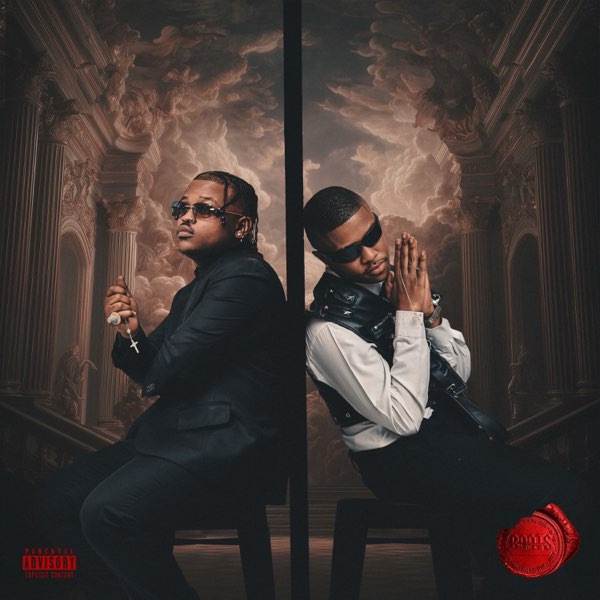
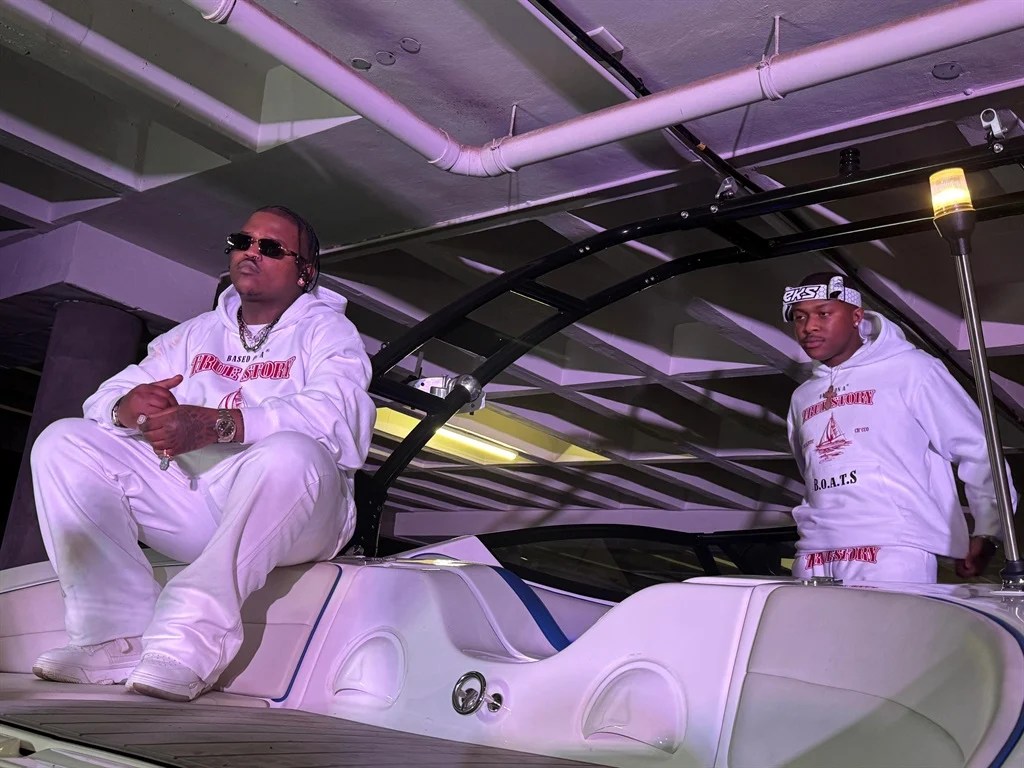
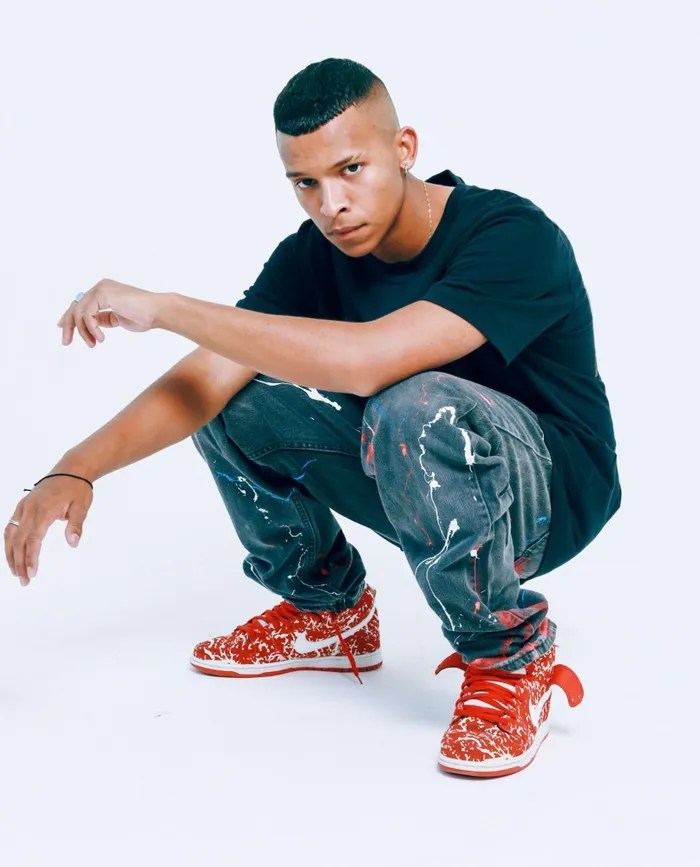
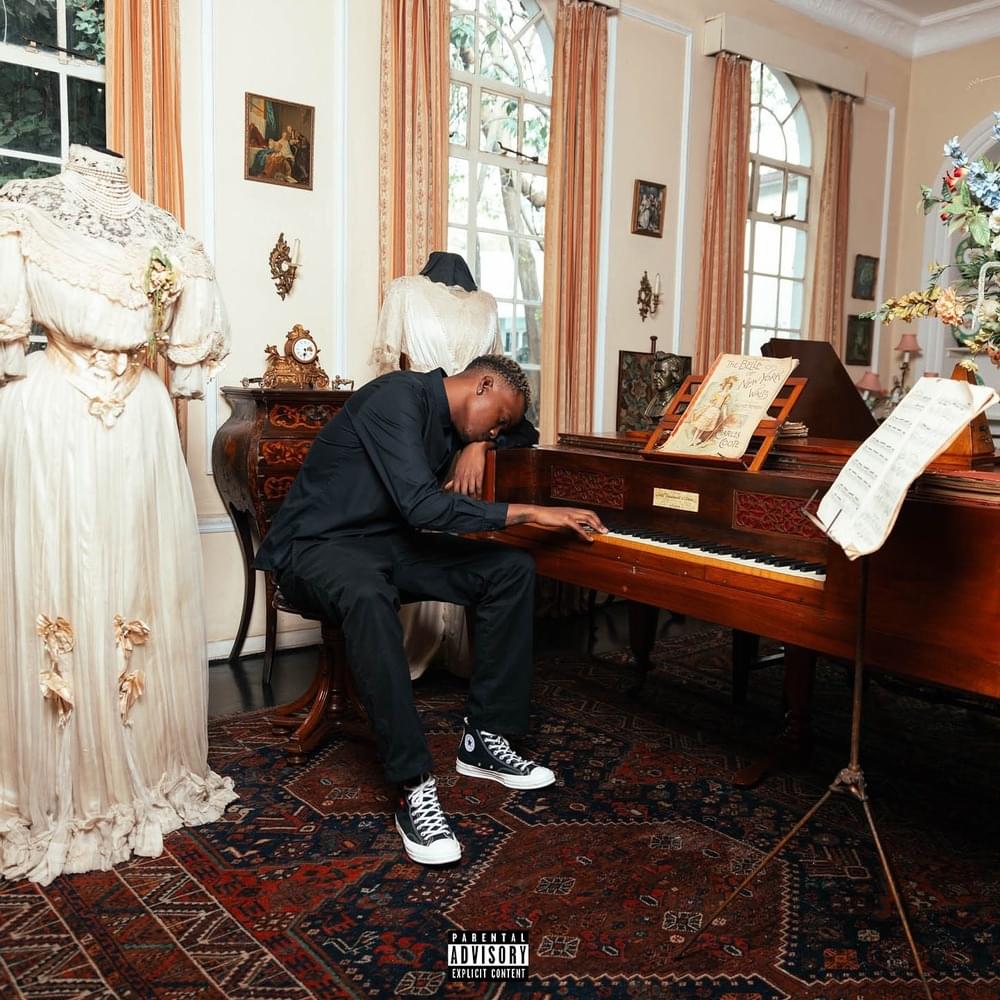
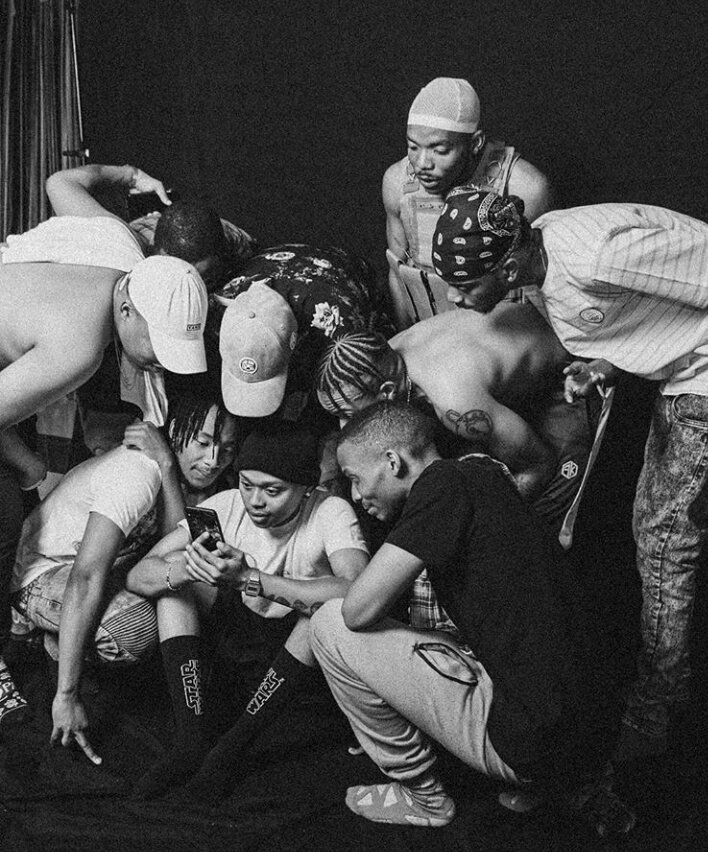
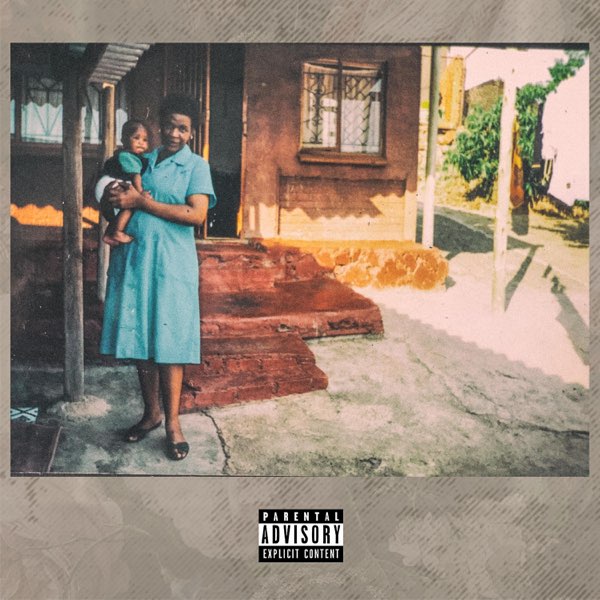
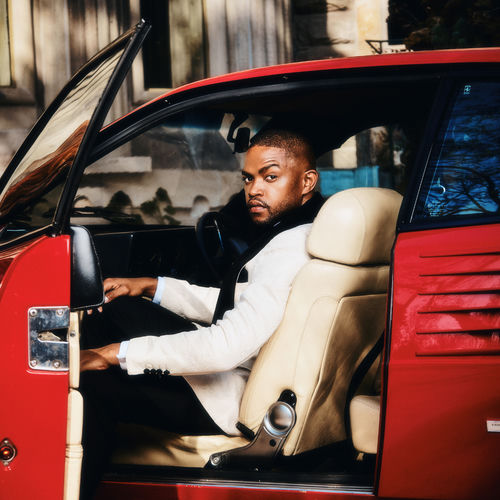
When Focalistic and Ch’cco announced BOATS (Based On A True Story), it was clear from jump that this wasn’t just going to be another album. The gents were carving out a movement rooted in lived experience. This wasn’t a fantasy project or an empty promise. Nah! The gents delivered and ha ba cancela selo!
The rollout? Textbook. From Instagram Lives where they built hype in real time, to performances where they teased unreleased snippets like secret handshakes, they made fans part of the journey. By the time the project landed, the music already felt familiar like we’d been living this story with them.
Their chemistry is what makes BOATS undeniable. Foca brings that presidential charisma. It’s bold, commanding, larger than life! while Ch’cco balances it with melodic smoothness and effortless cool. Together, they embody the duality of the hustle; the grind and the glory, the fight and the celebration. The boys are more in sync than a boy band with Timberlake.
Then there’s the merch. Reworking the True Religion font into their own branding was a genius play, and they rolling around with a real boat. It’s a wink at hip-hop’s long tradition of remixing luxury into something street-authentic, something the people can claim as their own. The attention to detail on the aesthetic presentation is phenomenal.
And let’s talk about the freestyle on Pro Kid’s beat. That was a full-circle moment; saluting a legend while proving that their own story belongs in the same lineage. Plus it was relevant and topical at the time since new school rap heads were questioning the relevance of freestyles and that particular beat. It was a cool flex and cultural respect, tying past and present into one continuum of South African music.
Focalistic stays true to his title as President Ya Straata. But what makes this era powerful is his cabinet Ch’cco right there beside him, the producers and features aligning perfectly, and the people standing behind them like a nation. If the presidency is built on trust and vision, then BOATS is the policy document the streets will happily sign off on.
Bottom line? The President has spoken, the cabinet is strong, and the true story has officially been stamped in history. And this is not a review. Its a call to action to go bump BOATS and have some fun to it.
It’s 2025 and the fever of patriotism has filled the South African air and the youth are breathing it in more than they are vapes. We’ve seen the growth in wanting to buy, support, attend and promote everything African and especially South African. We see it in the way we celebrate our music, film, tv and visual arts but nothing has the youth flying the flag of patriotism higher than the South African streetwear market. In the last 8 years we’ve seen a growth in both brands and demand for more local streetwear clothing and I decide to create my own rubric and criteria to rate the top 10 South African Streetwear Brands as we go into the spring/summer season.
To start off let me breakdown the rubric for the scoring and rating. In total I looked at around 30+ South African streetwear brands. I do have to mention that some brands were ineligible just because they were on the high-end scale of streetwear and this was more for the authentic sense and feel of streetwear. I used 7 different categories, all with a rating out of ten and rounded to the first decimal point, to score and rate the brands. The categories were; longevity, cultural impact, relevancy, collection, branding, style and price. After rating each category, the scores were added up and divided by 7 to give a final score rating out of 10 and that’s how the rankings were formed. As I rank each brand I’ll give their final score, and give a brief description behind my thought process and rating. Now that we’ve gone through the process and you trust it. well, I hope you trust it after this but let’s get into it.
TOP 10 SOUTH AFRICAN STREETWEAR BRANDS
10. MERCHA
At the ten spot is Mercha. They are still infants to the streetwear game but the fact that they’ve become a home for local artists, before mainstream and emerging, to create and sell their own merchandise has helped break barriers for most artists and the foundation to building household names.
9. THESIS
Coming in at number nine is Thesis. A brand that has survived through the years and become a staple in the community. They’ve been able to adjust and pivot with the times to still remain relevant and on top of the people’s mind but could do more to connect with the new youth of South Africa.
8. PUNYETE
At number eight rea faka Punyete. The clothing brand, that was built off an adlib, became a cultural impact story with their consist collection and capsule drops and hitting the pop-up features like crazy over the last two years. Most notably and recently they just did a pop-up store at the Mall of Africa. Showing that no matter how young the brand and brains behind it, you’re always able to compete with the big dogs as long as the dog in you is up to the challenge.
7. EMBEDDED
At number seven is Embedded. The Pretoria brand that has been around since 2015 is an amazing clothing brand that should be talked about more. They have an amazing collection filled with pieces like biker jackets, leggings, soccer jerseys and more. They have had cultural impact supplying clothes for artists such as DJ Sliqe & Emtee for their music videos. For some reason it just feels as though they haven’t managed to get over the hump of just being a hometown hero and touching more of the nation. I believe engaging more with fans in their different cities will be the first step their and creating more analogue experiences for them will help elevate them to a new level.
6. BROKE
At number six is Broke. Based in Cape Town the collective has been able to make a nationwide name for themselves with their young and energetic take on their marketing and building of their brand. From having the Broke Klubhouse where they sell their clothes but also host events at, to their boot sale tour that they go on road and visit several cities and province in the country to physical sell their clothes to their patrons, bringing the retro selling style back into fashion. Their prices are reasonable and not too hard on the pocket. Being a young independent collective, the challenges of manufacturing and distribution does limit the collection pieces they are able to produce but excited to see how the next 5 years turn out for the collective especially their under-garment pieces.
5. CULTISH
At number five is Cultish, another Cape Town based brand. The clothing brand that launched in 2020 brought in a new aesthetic and style to the South African streetwear scene. Where most brands are more colourful and cheerier, the Cultish brand came with an edge of grunge, street and a sort of dark melancholy vibe with it that really spoke to the rebels and the wild youth of the streets. Collaborating and dressing local music talent also helped them build this brand and deepen their connection with the streets, with them supporting and rooting for the underdogs, and the nonconforming. Only reason they don’t sit higher is that they are pricier than most brands featured with the cheapest t-shirt costing R750 on sale.
4. DEAD.
At number four is Dead. The streetwear brand that has been alive for 9 years now has had its ups and downs. When first arriving on the scene the hype and buzz around it was electrifying with people being drawn to the name and wondering why & what Dead. is. The ‘D.’ became iconic and you’d see it on shirts, shorts and socks around the city. They took a hiatus for some time but returned from the dead better and stronger than ever. Opening their store in Rosebank and releasing pieces like their crossbody bag, cardholder, underwear, sunglasses and most notably their timepieces. Their timepieces are beautiful and had such an impact when they released that most recently; they did a collaboration with, South African footwear brand, Dakotas, where the Dead. timepiece buckles are designed on the Dakotas moccasins. If not for those few years in the lab Dead. would be higher but life is long and they will live forever.
3. ARTCLUB
At number three is Artclub. The third clothing brand based in Cape Town to make it on the list. The clothing brand that was made by artist for artist and the community has accepted and held them with open arms. The quality and range of their collection is done beautiful and of amazing quality. When they say they are for artists, it wasn’t just to sound cool but they’ve embedded that in their clothing, creating pieces that fit the appeal of the working and corporate artist. You can see their intention in every piece they create and release. South African being a rich place of arts and birthing some of the greatest artists in the world, naturally gravitated towards this artistic approach and vision to clothing. Their popularity grew so much that it gained traction throughout the nation of South Africa and this led to them being able to go in partnership and collaboration with Mr.Price on a nationwide campaign that brought Artclub to the masses and allowing them to mass produce their products. This was an important moment for the creative industry showing that there is no such thing as niche just a lack of information and reach.
2. S.W.A.N.K
At number two is S.W.A.N.K. It might be sitting at number two but make no mistake S.W.A.N.K is huge. Having 11 years of experience in the streetwear the brand has always set themselves as trendsetters and trailblazers. Their growth came from the fact that they stitched themselves within the purity of street clothing looking to connect not just with the style and branding but actually being a representation of the South African street culture. They have managed to continuously release collections that are fresh, stylish and cause heads to turn and bloggers to type. Keeping relevant by mixing in street art into their marketing campaigns and clothing designs as well. They have been able to grow with their community and fanbase while still being able to attract new customers and still be a cultural right of passage for the youth. Can you truly say you’re a streetwear or South African fashion hypebeast if you have no S.W.A.N.K in your collection? I don’t think so. They have solidified themselves in the South African streetwear brand and have reached legendary and classic status.
GALXBOY
Now before we get into our number one, I just want to mention that the difference between one and two was decided by 0.1, with that said; our number one South African streetwear brand is GalxBoy. The Pretoria born clothing brand was started in 2008 under a different name before officially becoming GalxBoy in 2012. I want to try and explain the hype, craze, buzz and cultural impact of GalxBoy when it first launched onto the scene. I was fortunate enough to be doing my first year at University of Pretoria in 2012 when they opened their first store in Hatfield, right by the Fields. They had the streets in a chokehold with the bright colours and graphic t-shirts that represented the style of 2012 with the skinny jeans and animated fashion. To see their evolution of the last 13 years to where now they are manufacturing; dome bags, tote bags, cardholders & wallets, cross body bags, purses, necklaces, bracelets, sandals, sunglasses and more. They’ve made themselves to standout as a pillar of not just the streetwear culture but the culture of South African youth, especially in the hip-hop culture. This has led to them working and collaborating with brands such as; Rocking the Daisies, McDonalds and Scorpion Kings. From starting at humble begins in Mamelodi to now having 14 stores across the country in 8 of the 9 province of South Africa they are truly the streetwear brand of the South African people. What Thatiso Dube, founder of GalxBoy and more famously known as Vuittots, has been able to create, construct and carry-on building is truly a wonder, inspiration and should be written down in our history books for us to study, document and aspire to.
In conclusion, every has a different style, preference and pockets so this not the definitive list so please do not come for me and family but I doubt you would find a better one. If you think you could create a better top ten, we would love to hear from you, so leave a comment or send us an email. Thank you for reading and stay dripping because the sun is out and you need to stay hydrated.
I would like to preface this with the fact that Jay-Z is my favourite rapper of all time and “Imaginary Players” is one of coolest/flyest rap songs to grace my headphones. Needless to say I love the fact that its getting the love it deserves.
However this love comes with some hate towards the person showing it the highest form of homage. Cardi B released her interpretation of the Hov classic and for some reason some self proclaimed hip hop purists have a lot of backhanded comments towards it which is quite confusing. Look at the effect her song has on Hov’s! Jigga’s 1997 classic has seen a crazy increase in streams which means some new ears are getting hip to the flyness.
Speaking of flyness, Cardi really went Wright borthers with this. Its so refreshing to hear her talk that fly shit and stunt on her competition in a luxurious manner. The gloryhole bar is ice-cold and her buying grown men watches and making them take links out is fire.
This quick rant is just because I don’t get the hate and like for like comparison this song is getting. As a Hov fan I love that she did this. We need to stop gatekeeping classics like this because this stunts their growth and longevity. Referencing and sampling are beautiful ways to preserve culture and flyness. End of rant.
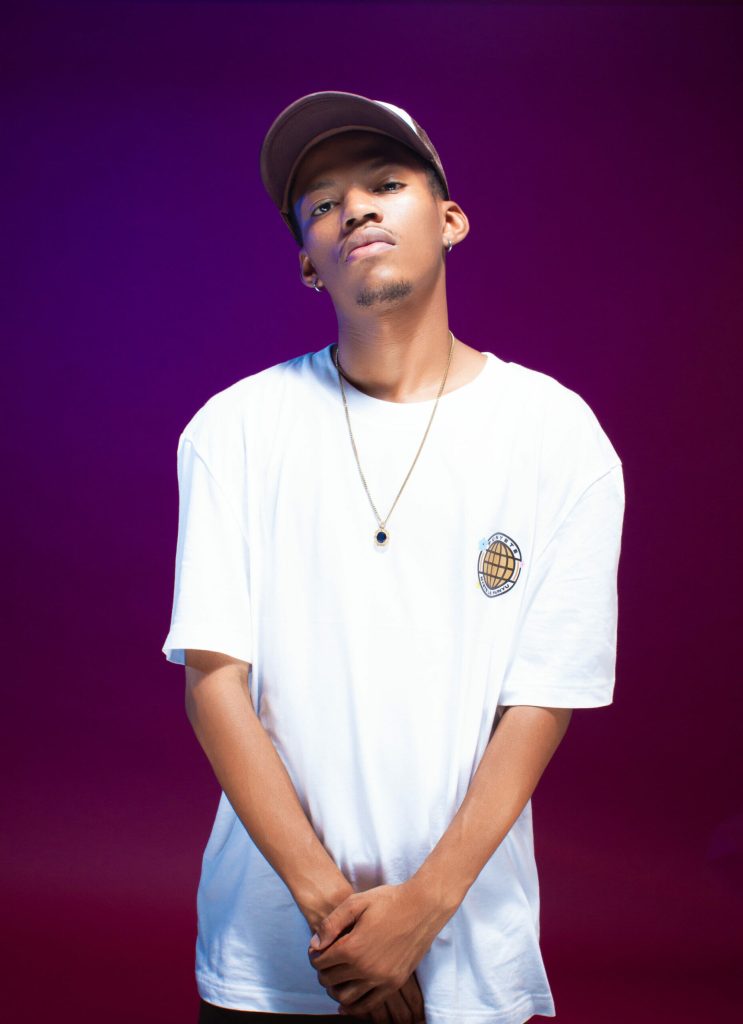
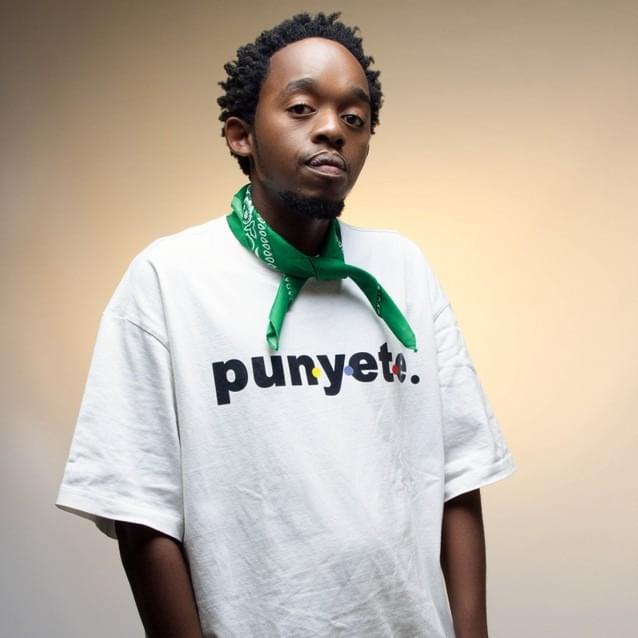
Faka Punyete…what does it even mean? Well, we have no idea but according to Loatinover Pounds, “Punyete ke Punyete, and rea faka or rea tshela.”, but what started as an adlib that turned into a beloved catch phrase is now a clothing label that has its own store in Mall of Africa, on the 21st August 2025. Let’s take a look into the history and evolution of Punyete.
It all started in 2022 when Loatinover Pounds released his debut mixtape, Hood Misunderstood, that had the streets in a chokehold and his name glorified in the hood of Soshanguve but as well as in the in the suburbs of Pretoria and Johannesburg. The mixtape and its wave reached its peak when hit single ‘Sosh Plata’ became a street anthem so much so, that 25K jumped on the remix taking it to national popularity. One of the most notable lines or phrases in the song, that took it to higher popularity and had the country confused and intrigued, is Faka Punyete. It was a phrase that we have never heard before and wondered where did it come from.
Being the nosy, nerdy, South African Hip-Hop lover that I am; I wanted to know and started doing research on Loatinover Pounds and this Punyete movement. When I first started digging around it seemed as though Punyete was more than a phrase but the name of the collective coming out of Soshanguve. The collective seemed to be made of Loatinover Pounds, R&B artists Khalee G, Producer & vocalist Saint Cielio and artistic & creative director Sufi. At first glance it was like, “Ooooooh. Faka Punyete, as in the putting themselves on and in the game themselves.”. I thought it was really cool and creative.
SOUTH AFRICAN HIP-HOP SUPERSTAR, LOATINOVER POUNDS
The say, “Life goes full circle.”, and it sure felt that way when, on the 1st of March 2025, I was able to meet and interview Loatinover Pounds himself at the 5th edition of Escaping the City (a South African Hip-Hop & RnB live music event) at Block 22 in Hatfield, Pretoria. While interviewing Loatinover, I couldn’t help but ask, “What does Punyete mean?”, and he replied with the same answer then that he gives now [3 years later], “Punyete ke Punyete and rea faka or rea tshela.”, and that was it. I got to ask Khalee G as well and guess what…same answer. It seemed like it was an inside joke or rather I should say, language that they had come up with and could only fully understand its origin and use of it. This was beautiful to witness as it showed just how deep and strong their bond really is.
Some months later from my first-time meeting and interacting with the Punyete collective, I saw that had not just taken the phrase alone but the logo as well and started making merchandise with it. They had started releasing the merchandise around September 2022. At first, they had just made and released a beanie, shirt, trucker cap and tote bag. Being the fan and supporter, I am of South African Hip-Hop, products, youth, tote bags and the Punyete collective; I had no choice but to buy myself a Punyete tote bag; that I got Loatinover Pounds to sign but that’s a story for another article on, Learning How to Treat Our Superstars Like Superstars.”.
SOUTH AFRICAN R&B ARTIST, KHALEE G
I was really impressed how this group of young artists and creatives were moving, thinking bigger, doing bigger and looking at themselves as bigger. It was just a phrase, it was just a collective, it wasn’t just some cool merch to sell to the fans to make some extra money or get their marketing & brand image up. No, they saw Punyete as something that could be bigger than them and live outside of them, mainly having to rely on the music and art for the merchandise to sell. They saw it as having a life of its own and just need the tender love and care for it to grow into its potential.
Without fail in the last 3 years this is exactly what they’ve been able to do. They realised that the phrase which started as an adlib now became a staple in the community. It became a way of recognising a mindset of the type of music you listen to and consume but also the nothing from something mentality of a true hustler. It represented the dream of making it out the kasi to the suburbs. It represented all the black kids who grew up in the hood but felt misunderstood by it because of their different perspectives, hobbies, interests, ideologies, lifestyle and etc. It was relatable to the people and something they could wear with pride because who would have thought a group from Soshanguve could have the whole of South Africa in a headlock.
CREATIVE DIRECTOR MO.SUFI
They decide to focus more on the merchandising as a separate entity so instead of just being merch, it became clothing. They kept it small at first still focusing on shirts that had the famous lyrics, “Ke Faka Punyete Akelwe Le Motho.”, printed on the back. They started making long sleeve sweaters. The next move is what really caught people’s attention to the fact that this was now a clothing label and not just your favourite adlib. They dropped their first pair of sunglasses that had, “Faka Punyete”, printed on the side and when I say, “The streets went crazy!!!”, trust me they did and I know this because it is I, I am the streets. They didn’t just drop one pair but a collection of sunglasses.
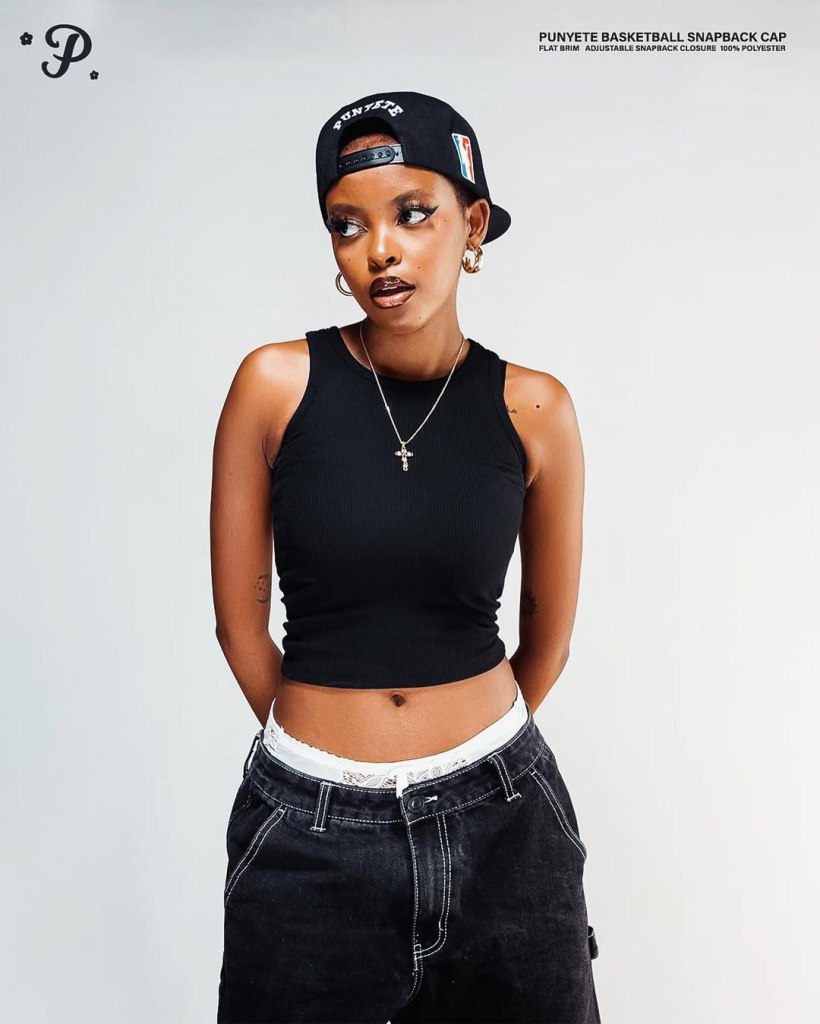
Punyete has always managed to keep creative with their marketing and styling direction. They released a Pizza Punyete collection that the streets ate up. Around the end of 2023, they released their Punyete basketball collection, which had all the hoopers and hip-hoppers smiling ear-to-ear, especially with them replacing the Jerry West (famous former Los Angeles Laker basketball player) with Loatinover Pounds doing the gesture of Faka Punyete. It’s these little touches that really defined them as their own and separated them from just being merchandise to being a brand and clothing label.
FAKA PUNYETE SUNGLASSES
In 2024 they didn’t slow down at all. Instead, they took it to a new level with their own live music event titled, Punyete Sontaga. The first one took place on the 8th of December 2024 at Hartbeesport Dam and it was the debut of Loatinover Pounds, Khalee G & Saint Cielo performing with a live band. At the event they had stalls where you could buy existing, new and undiscovered Punyete clothing and gear. It felt as though it was a pop-up store of sorts.
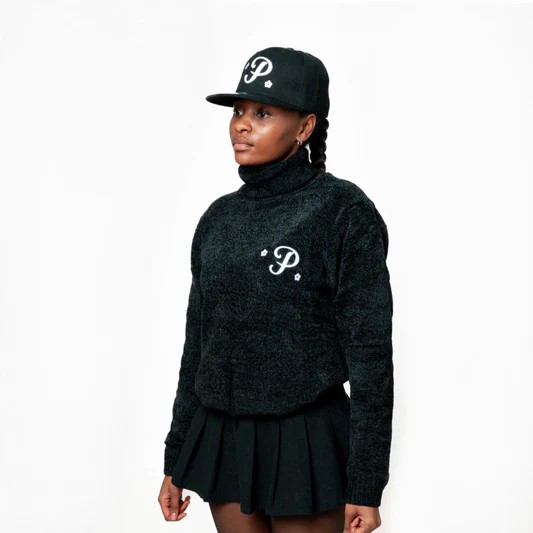
PUNYETE CAP & POLO NECK SWEATER
Surely soon enough in 2025, the Punyete collective started doing their first runs of collaborative pop-up shops. They started in March with their pop-up stall at Hatfield Freshers in Pretoria. Next, they had a pop-up stall at the Cheeky’s game night in Pretoria as well. They would follow these up with pop-ups at the Wonder market, Black Labone, Tik & Twyne, Saucy Wednesdays, Rosebank College Pretoria Denim Fest, Cotton Fest [Johannesburg], Stance Conference [Kgabalatsane], Varsity College Waterfall [Midrand], Thrift Party [Mafikeng], and now most recently (and definitely their biggest yet) they did a pop-up store from the 21st of August – 24th of August 2025 at the Mall of Africa in Midrand. The reason why this is such a historic and monumental event is that what was once an adlib was now being sold in commercial and retails spaces in the biggest mall in Africa. That’s truly amazing and something we as South Africa and Hip-Hop should be celebrating with the loudest cheers.
The story of Punyete is an inspiring and aspirational one. A phrase that was born probably out of friends just kicking it by the corner store grew into a brand so big and powerful that the corporates in the corner office could not help but give them a space to showcase and sell themselves to the rest of South Africa. They transcended just being for the hip-hop, cool kids, fashion and music crowd, and they have started reaching for national acclaim and truly becoming a household name. To this day do we know what Punyete means? No, but it doesn’t matter we will wear it with pride and honour because…,” Punyete ke Punyete and rea faka or rea tshela.”.
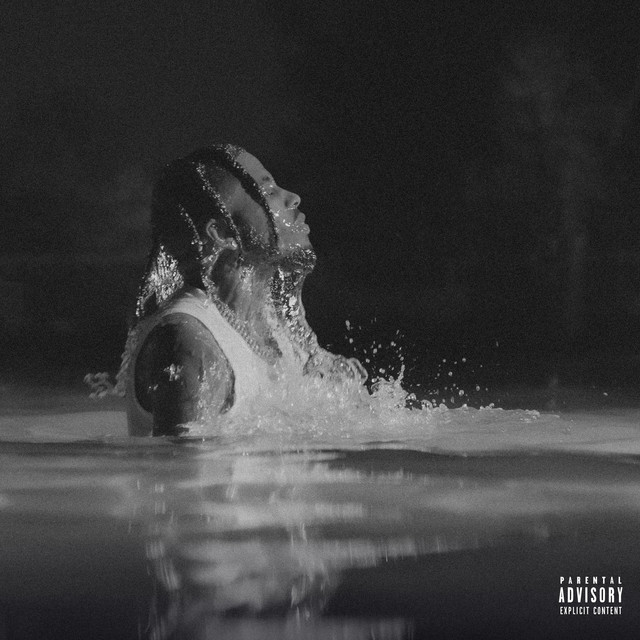
As winter starts to fade and we go into the summer of spring, that feeling of experiencing the sun’s warmth again just puts you into an appreciative mode because you realised all you’ve been missing out on in that time. That’s how I feel about Flvme dropping his sophomore album, Black & White, that bloomed out of nowhere two weeks ago on Monday, the 11th of August 2025.
Before we look into the new heat Flvme just dropped on us, lets start at the spark and how he ignited on to the scene and our earphones. Flvme started out with Pretoria collective, The Wrecking Crew (TWC). He famed along A-Reece as being one of the heavyweights of the group, with A-Reece taking mantel as King of Rap and Flvme as the King of R&B in the group and having Mashbeatz as the King of Instrumentals to help raise both artists even higher. In his time with TWC, before the group split ways in 2019, Flvme released his Clouds EP and a collaboration project with Zoocci Coke Dope, tilted Do Not Disturb.
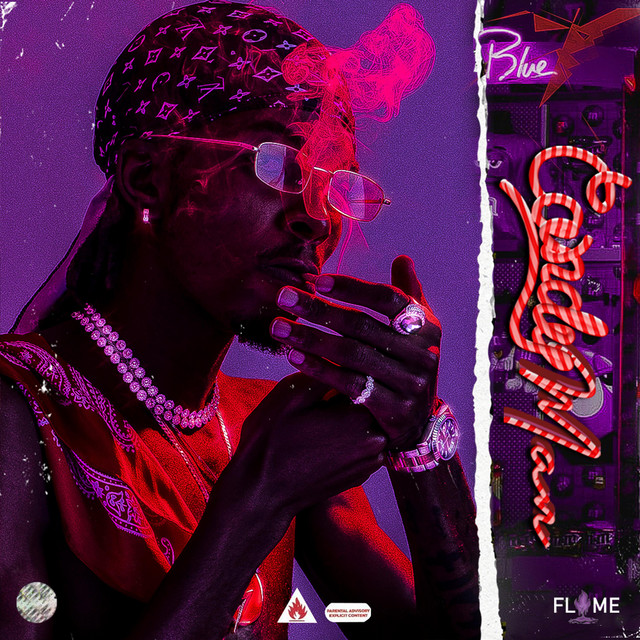
The split with the group and dealing with their personal issues didn’t hinder Flvme or his ability to make and put out high quality music with him dropping projects such as; Germander (EP, 2019), Candyman (Album, 2019), Dead or Alive (EP, 2020), Red Light District (Collab Album with Die Mondez, 2020), While You Wait (EP, 2021), Germander II (Mixtape, 2022). The Lost Packs vol 1 (EP, 2023|), Note to Self (EP, 2023), Inferno vol 1 (EP, 2025). Having put out such a catalogue within the last 6 Years, I was kind of scared for Flvme and his new album.
FLVME – CANDYMAN ALBUM COVER
I say this because we’ve seen it happen to multiple artists, but in this reference, we’ll speak mainly to Lil Wayne, where he put out so much music before your album that the anticipation and expectation of it becomes so high since the album is meant to be the real gold and everything else like a teaser leading us to the promised gold but unfortunately most of albums didn’t live up to the hype created from his mixtapes and side projects. With the quantity and quality of music that Flvme has given us over the last 6 years since his debut album Candyman that the expectations of his sophomore album were set extremely high.
His sophomore album, Black & White, was released very spontaneously. He had mentioned the album being on the way, on the 10th of July [2025] and then on the 1st of August [2025] he started the rollout with wanted posters of 25K & Die Mondez ahead of releasing and announcing their single, Count Up, on the 4th of August. The next day he announced the rest of the features, using the same wated poster format. He proceeded to announce the tracklist and the album release date (11th of August) on the 8th of August. Finally releasing the album on the 11th of August. Within a month of teasing the album is on the way and a week after dropping the single we had a new Flvme album. The standout of his whole release was that both the single and album were released on a Monday; instead of the common practice of releasing on Friday.
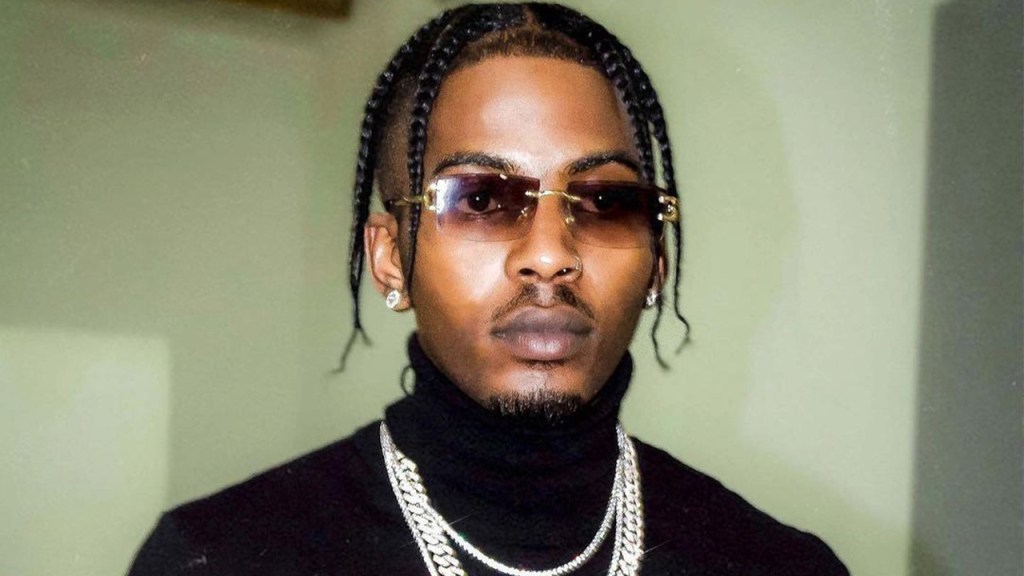
FLVME
Now that I’m done with the fun facts let’s get into the music. The album consists of 21 tracks, equalling to a 71minute listen, averaging it out to 3:30mins per song. 21 songs are a lot of songs and not just in modern times but throughout hip-hop history, when you really look at it most albums averaged at around 12-15 songs, excluding bonus tracks. Usually, a 21-track album only works if it’s made of bangers as seen with 50 Cent and his albums; Get Rich or Die Trying & The Massacre; or with Kanye West’s The College Dropout & Late Registration. Now it’s only been two weeks but I feel as though Flvme executed this perfectly.
The album opens with the ‘Dark Outside [Intro]’, a pleasant surprise where we hear Flvme rapping, not something he does as he states in the intro himself but there are things that he needs to get off his chest, for real. I loved it because I always believe the intro should be the prologue of what is to expect throughout the album and the theme of getting all these feelings and thoughts off his chest resonates throughout the album. This theme carries on with the next track, 10 TOEZZZ ft Westside Boogie, where Flvme speaks on having to deal with all the stress and, personal drama and trauma he’s going, and gone, through while still having to hold his family down and holding it down as a man. The track is interlaced with an interview with Westside Boogie on The Breakfast Club talking about mental health and sometimes how the pain is needed to be a rapper before Westside Boogies goes off on a crazy verse, where he acknowledges Flvme and affirms their friendship.
In track 3 & 4, Game of Thrones & We Ain’t Into It, Flvme gets in his trapper and rap braggadocios bag, which is a really fun and easy listen that you can switch on at any time. We then get to track 5 and the single off the album, Count Up ft Die Mondez & 25K, in which fans got to experience the duo again and a reminder why they were so loved together. They way the play off each other’s flow with Flvme’s melodic flow and Die Mondez’ hard rap flow. The power of the duo is really felt in the following track, BUTTER FLOWZzzz, where it’s just the both of them bouncing off each other, 4-bar for 4-bar, like passing the basketball back and forth, each allowing the other to get their shot off, something like The Splash Brothers or LeBron & Kyrie going 40 for 40.
DIE MONDEZ
The end of BUTTER FLOWZzzz goes into a lady singing harmonies and melodies. This is noteworthy because in a 20+ track album I’ve always conceptualised it as being a 4 separate EPs/seasons being put together to make one album/movie. This melodic harmonising adds a sense of a bookmark that it’ll be a check point for the album but as well as being able to introduce the next chapter or arc of the album.
Into the next arc of the album, we go. In the next song, Daddy Issues ft Zoocci Coke Dope, it brings in the new theme for the arc, which seems to be trust issues around love and Flvme’s relationships, whether romantic or with his friends. In Daddy issues, Flvme speaks directly to how modern-day relationships all seem to be transactional but also breaking it down that it’s due to the fact that nowadays we are being taught to survive and strive for a superficial lifestyle and not how to really love, while Zoocci Coke Dope speaks on the men side of things and how Daddy Issues affect boys and the men they grow up to be.
The next 3 tracks in the album are dope to vibe to. Not anything bad but great music to bump if you having a slow day with the homies or you know sitting with a pretty little thing on the side. The notable song for me is track 11, All Night Long (Interlude). Reason why this is notable for me because again we hear a new arc/chapter of the album come in. From having trust issues and dealing with the fickleness of his relationships, Flvme goes into trying find this elusive love and where things go wrong. All Night Long (Interlude) is a 3-minute interlude that talks about how this break-up has him drinking, smoking and in the club as he is going through umgowo.
This leads nicely into the next song, KOCTY ft Dire Fox, where it seems like there is a rekindling of the relationship and them picking up from where they left off talking about their chemistry and the intensity that they always had and you know…some loveback hey. Dire Fox has them PIPES!!! Couldn’t leave that out, he his a must listen to.
The next two notable songs for me are; track 15 [Dance For Me] & track 16 [Can’t Fall ft KashCPT], simply because they are just some really good R&B bops. With Dance For Me being more of a seductive, sexy time in the strip club vibe and Can’t Fall being more of a f*ckboy, just got out of a relationship and back on the streets type of energy. We are introduced into the 4th and final act of the album with track 17, Habibi ft Young Stunna. It’s interesting because with Flvme being more of an R&B artist you would assume and expect him to lean more into the Amapiano sonic (which the song has in its instrumentals), but in a splendid surprise, we hear Young Stunna going back to his roots as a rapper and genesis as an artist and delivers a great performance and verse. The verse actually gives me the craving of wanting to hear Young Stunna rap more on these melodic Amapiano meets Jazz meets Hip-Hop sample, sonic fusion.
KASHCPT
This sets the theme for the close-out of the album which is on an island chill, vibe and wine feeling. The notable closeouts for me are; track 19 (Up 2 Sumn) ft track 20 (When You Call ft DaVionne). This vibe is actually the perfect closeout to the album where we were started out with heavy raps, went into the trap for a bit, got our dose of love and now we are walking out dancing and happy for the experiences and just glad we got to live through it all.
I believe and hope that was Flvme’s intention when presenting this body of work to us as the audience. Black & White, feels as though it’s his resurrection from drowning in all the bullsh*t around him and he’s made it out and taking a deep breath to finally let it all out and talk about it. Showing us that the story is not all black & white but some colourful happenings in between. I would rate this an 8.5/10 in the short time I’ve been able to live with it but I don’t see it going down (maybe to an 8/10) in my ratings, for the work of art that it is.
It’s 2025 and most times when I hear artists speaking on music videos, I hear the worst three letters any creative could think of…ROI. ROI, short for Return On Investment, is a term that confuses me when put alongside music videos. How, why and when did we get here? Let’s try figure this out together, shall we?
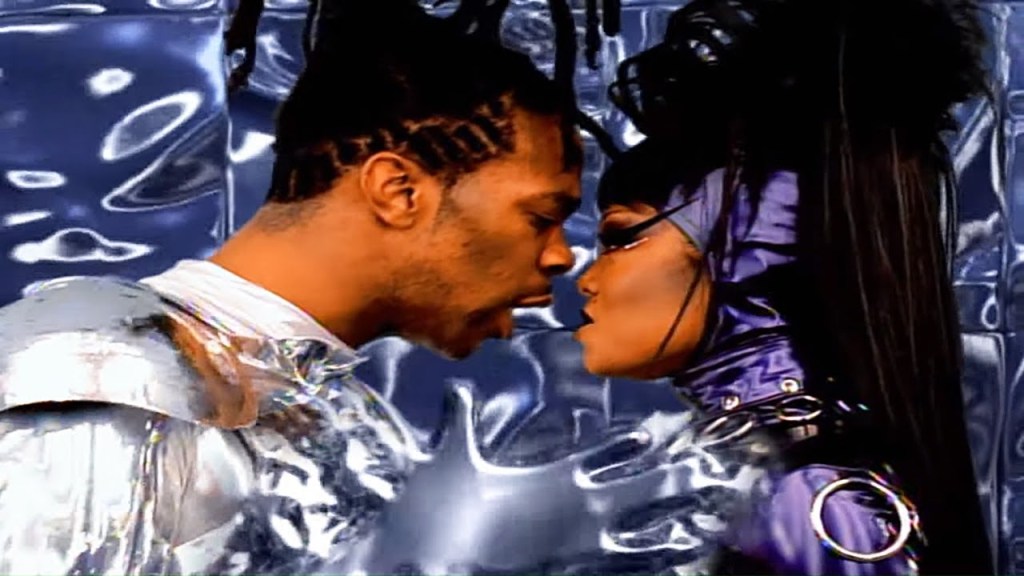
Let’s start at what a music video should be. I believe most people would say that the music video should reflect the story or theme being carried throughout the song itself. Almost like an official soundtrack to a short film/movie. One of my favourite examples to use is Busta Rhyme’s What’s It’s Gonna Be music video where he features Janet Jackson in this futuristic alien world and Busta Rhymes is a meta morphing hybrid of human and silver galactic goo that is trying to impress and attract the lovely, gorgeous, beautiful and seductive Janet Jackson.
You probably like what the hell but in the context of the song, speaking on sexually arousing your partner and trying and exploring new things it fits perfectly with Busta Showing that no matter the body type he’s ready to shift and form into whatever pleases his lover and their adventurous nature of exploring the new, untested to find their future pleasures.
Busta Rhymes & Janet Jackson in the What’s It’s Gonna Be Video
Now the music video, directed by Hype Williams, cost $2.4 million making it the 8th most expensive music video at the time in 1999. It is now the 15th most expensive music video of all time with Micheal & Janet’s Jackson Scream still sitting at number 1 costing $7 million. With all these expensive videos, I don’t believe anyone ever asked what the financial return on it is but rather how big of a cultural impact and legacy it will have. These have become iconic videos that have been in conversation and been a source of inspiration for 25+ years. It was the experience valued more than the expenses.
Today it feels as though roles have flipped and it’s the expenses over the experiences. You could say it’s the economy, labels and artists don’t want to pay videographers/writers/models/actors their rates, it’s the new age and their short attention span and so on and so on. My belief is that TV stations that were meant to be music based, spotlighting and highlighting the latest videos started turning to reality TV shows for viewer engagement and started choosing what videos get played based on the relevancy of the artist instead of the quality of the music and video.
This caused a surge in artists to then rather post their videos up on digital platforms that did care about the quality still but that could also pay them through royalties based on the viewers and viewer engagement. Platforms such as Vevo were created and ran the YouTube streets for a mean minute. It became a cultural hub where, if you weren’t on Vevo then you just weren’t it at all.
Youtube & Vevo Logo
Artists & labels saw what platforms like Vevo could do for the artist and how their ad-revenue model could be used in their own favour and then started creating their own YouTube pages and channels to engage with their fans directly without a third party. From being on YouTube, I believe they saw fan pages were people were making their own videos and visuals, as well as posting the songs online themselves and that this was the canon event where both artists & labels realised that in this digital streaming age it doesn’t matter what you put out, people just want to see some cool sh*t while listening to your music.
This births the monstrosity that is the visualiser. Instead of knowing investing, time, energy and money into creating a video and world out of your song, artists just started to shoot some cool scenes and put it on loop to their song. It even started flooding into music videos where now it’s no storyline, no story, no theme just a bunch of cool visuals, hot people and some flash of the material or gangster lifestyle. This was a painful era. I thought we had lost the art of the music video forever.
The youth of South Africa had a different plan for me instead. I would personally say, “Since 2016.”, but speaking objectively…since 2020 South African creatives have been in the spotlight. The Covid pandemic causing us to sit inside and forced us to sit with the art we consume and think about it. The world saw that South Africa has a different hunger because we’ve always asked for our story to be told but now, we realise we never need permission just our own belief that we are big enough to tell our own stories, and our art is undeniably great. We are enriched in stories, culture and heritage that the world had and has yet to experience fully.
Taking control of their own narrative, the youth of South Africa started investing and believing heavily in themselves which has seen a rise in all art forms and music from Hip-Hop, to R&B, to Amapiano, to Gqom. The wave is on a high tide building up to a massive tsunami that is sure to engulf the world.
Filah-Lah-Lah in a Scene From Her On Air Visual Album
In the last 5 years I’ve seen some stunning music videos been produced from our local talent. Last year Filah-Lah-Lah released a whole visual album based on her album On Air. Zulo has been exceptional in present story lined theme videos. We’ve seen directors like Lotus Sutra provide us with some of the craziest videos in the hip-hop, r&b and piano world. Same for the likes of Zigi Ndlovu and many more, where directors and producers are being booked and hired to get the best vision out of the song and artist.
As beautiful as it has been to witness the resurgence of the music video and especially in South Africa, we still have many challenges to face. Social media is one of them with people able to rack up views through creating dance challenges to their songs and have it trending or just shooting a really dope ass visualiser. It makes rising artists with little budget think, “Why do I need to pay for a music video?”. This also leads into the conversation that because people aren’t as invested in music videos they don’t really know who the directors and producers have to go through so, once they do have the bag to pay for one they either try underpay or short change them or try go for a foreign name because they are a “bigger brand or name”.
The world of music videos is not yet completely extinct but keeping it alive is no easy task as well. Do you think it’s worth it to try keep them alive or should we move and accept the visualiser as our new art form?
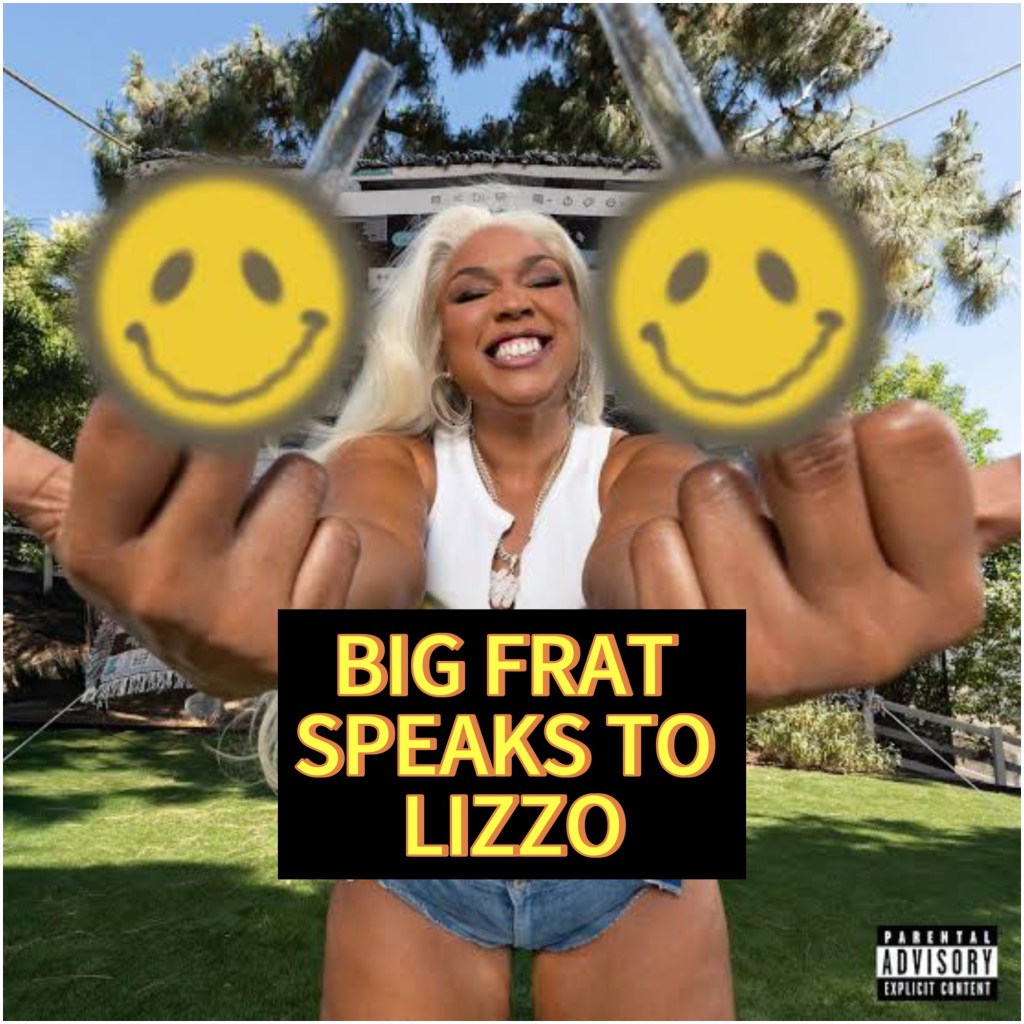
Big Frat hit the global zoom streets and fought some time zones to kick it virtually with Lizzo. Lizzo speaks on her favourite rapper, her mixtape and her southern roots. It’s a really fun chat. Check it out
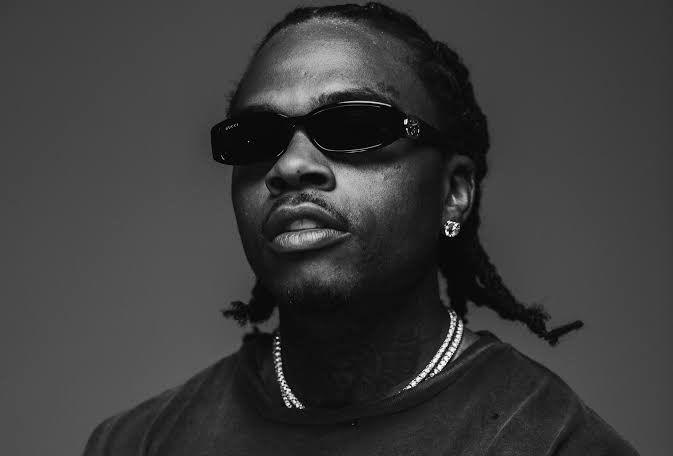
Gunna is putting on a master class in how to shut up and work. The man just pops out, drops a fire project and hits the gym. He is looking like he doesn’t know how to make a bad project right now.
The buzz word when putting together an album these days is cohesion and that is something Gunna has on lock. The rapper has mastered the art of having a sonic golden thread through his projects. He has found himself at the sweet spot where you can type “Gunna type beat” and you will get some respectable Gunna-esque instrumentals with that search. He’s carved and perfected his sound. The album has his signature ambient, hypnotic, swaggy trance like sound (I mean you can have the lo-fi girl on YouTube study endless to this album). The production serves as a great background for his melancholic yet motivational, ambitious and swaggy bars.
Although he is on “shut up and work” mode, he is far from unaware. On prototype he sends an awareness bar – “n*ggas had tweeted my name must’ve had to be a typo” . This can be interpreted in many ways and may be directed to a number of people. One thing’s for sure, Wunna is watching it all play out while churning out bangers at the same time.
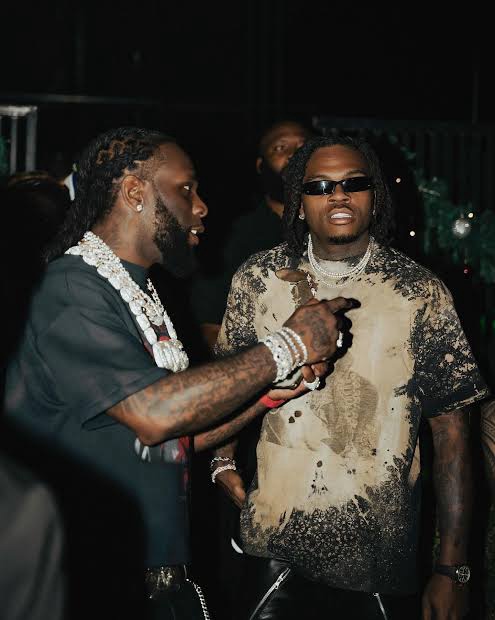
Wunna has also proven to be heavily tapped in with African the music scene. From his collab with Tyla, kicking it with Foca and having fire African features on this album, it’s clear he knows where the sauce is. Wiz, Burna and Asake all have stand out moments on the project (shoutout to the saxophone on “WGFT”).
It’s clear that Gunna has been on a mission to prove all his naysayers wrong and on the run that he has been on he is clearing succeeding. Like he says on track 23 “thought I wasn’t gon make it/ I showed them”. From his work rate to his workout regime it’s clear that the man is chasing health and wealth not clout. This is project definitely cements his sound and global reach.
The 2025 NBA Finals was one of my favourite NBA Finals in the last few years. It’s mainly because it was the true confirmation that the new age of basketball is here and ready to take the spotlight.
The 2025 NBA Finals featured Oklahoma City Thunder going up against the Indiana Pacers. Both are small market teams, teams that do not generate that much money or attraction due to them being in a small town or not having a history of winning as their legacy. On top of this they both happen to be the youngest teams in the NBA showing the recent evolution of the new generation of basketball players and superstars taking over the league. Now this should be a celebration and welcoming of the new age, but it was met with some weird critique and analysis.
THE INDIANA PACERS & OKLAHOMA CITY THUNDER
To start off with if we look at the last 5 years of the NBA Finals we have OKC (24.7) v Pacers (25.7), Boston Celtics (26.2) v Dallas Mavericks (26.3), Denver Nuggets (27.1) v Miami Heat (28), Golden State Warriors (27.8) v Boston Celtics (25.9), Milwaukee Bucks (28.1 avg age) v Phoenix Suns (26.6). In these last 5 years, we can see that the teams getting to the finals are becoming younger and younger. This goes hand-in-hand with us witnessing the superstars who started their journey in the 2000’s & 2010’s retiring and leaving the game, more and more, because no matter how much of a winner you are, father time is undefeated.
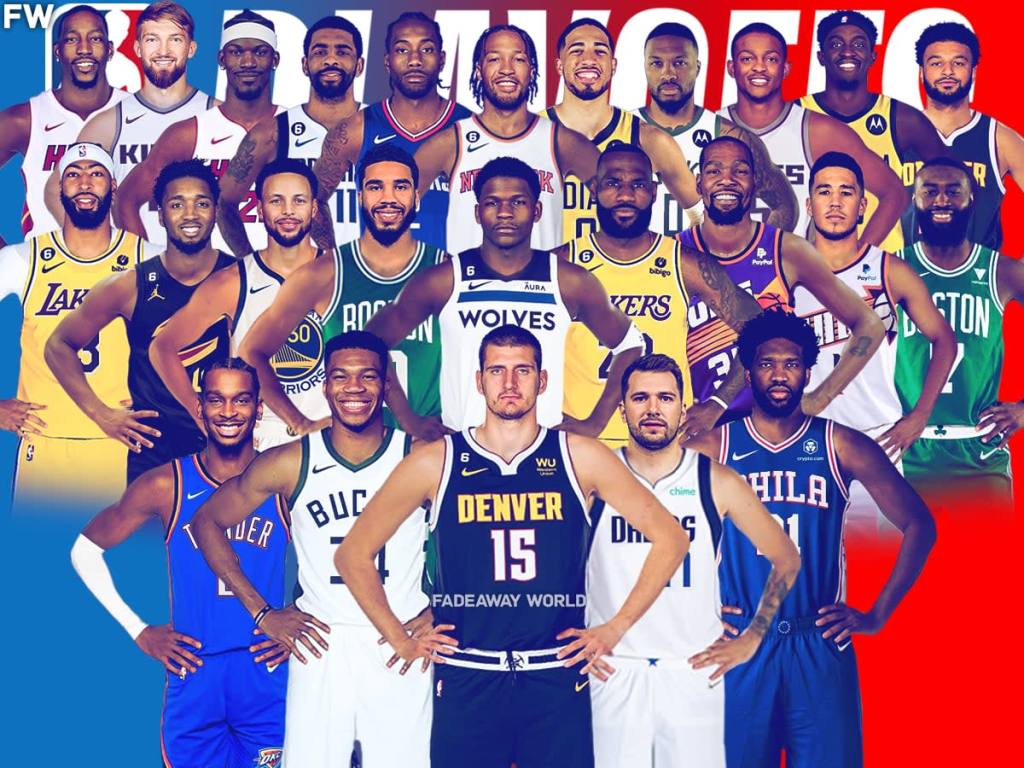
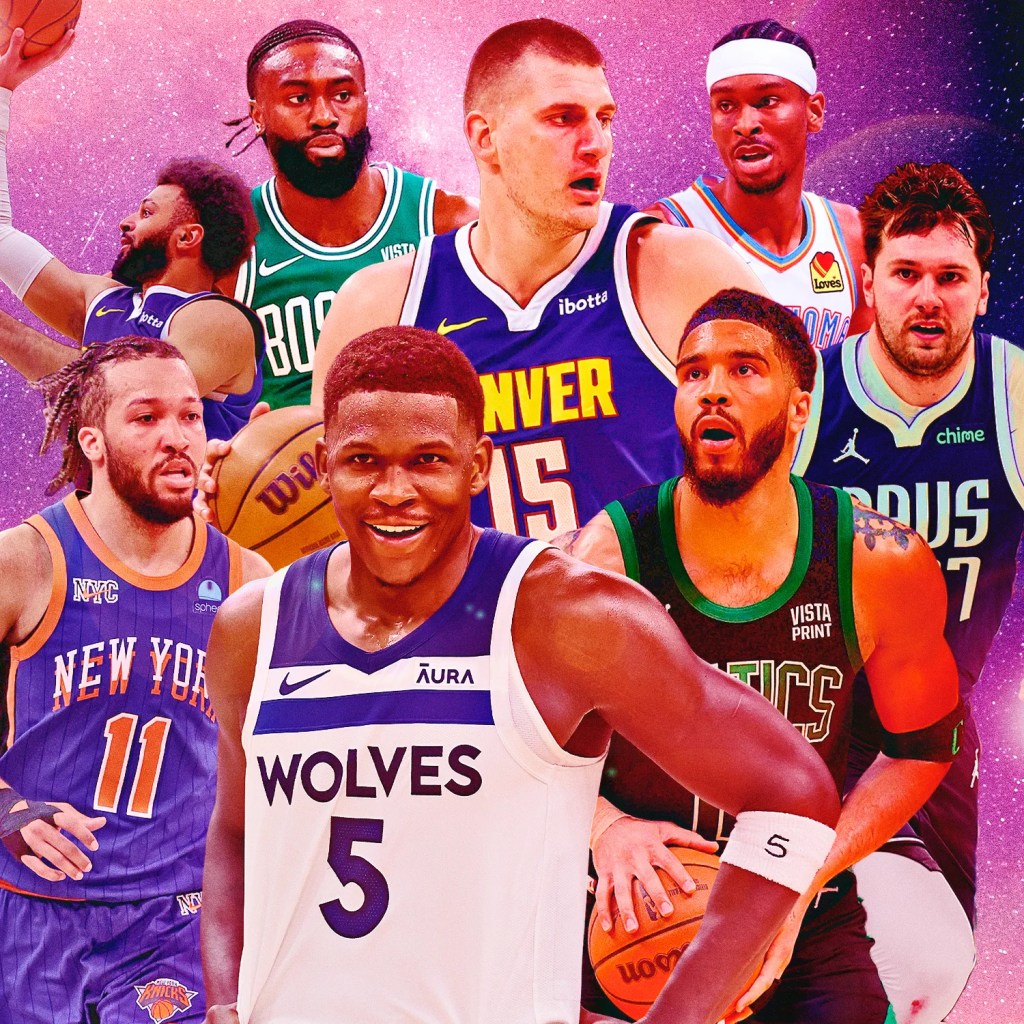
In the ushering out of the legends made, we see the birth of new legends to be created with superstars like Giannis, Nikola Jokic, Luka Doncic, Anthony Endwards, Shai-Gil, Jayson Tatum, Anthony Davis, Devin Booker, Jalen Brunson, Trae Young, Ja Morant, Jaylen Brown, Donovan Mitchell, Sengun, Brandon Ingram, LaMelo Ball, Lonzo Ball, Tyrese Haliburton, Karl-Anthony Towns, and many more. The point I’m making is that there is a plethora of young talent in the NBA that are ready to take over for the new generation and playing excellent basketball.
THE NEW GENERATION OF NBA SUPERSTARS
You would not think so with how mainstream basketball media has been covering the finals and the new era. Instead of focusing on the new emerging talent and their own style of flavour and play that they are bringing; we are being distracted with the topic of old guard and who will replace or be as good as them. This is always a problem because every new generation coming never wants to replicate greatness but create their own mould and have their impact recognised in the game. Instead of giving the young kids a platform to write their own history right now they are worried about the history made by the generation before.
The source of the problem isn’t with the players or the league but with media and the fact that we are not seeing enough youth with a voice in the media space and not just basketball alone but overall, throughout the sports, arts & culture fields. This is a problem because we all know how it goes when you’re a kid you feel like all the old people don’t get or understand your generation and the trends or art going on and then jiki-jiki one day you’re the old person sh*tting on the younger generation.
The evolution of young rebel to old hater is an inevitable pipeline and path that about 95% of us follow in life but with us knowing that and having seen it throughout the history of media you’d think that in 2025 with all the social media platforms available and people creating their own media that somehow one of these broadcasters would have them join the team but it’s something we’ve rarely seen.
I think the biggest case for this phenomenon might be that because growing up on the internet and social media the need for journalism and traditional media might not be a priority for most or downplay the actual impact it still carries throughout the world. It might be that the older generation feels like the younger generation have not dedicated themselves to the art & craft of broadcasting, journalism and media, and therefore feel like they haven’t put in the 10 000 hours needed to be seen as a peer or professional.
The cause is important because it will lead us to the solution of the cure, but I want to look at why this is a problem because I know the notion nowadays is, “It doesn’t matter we have social media create your own thing.”, oh but it does matter because of centralisation. Where on social media, yes, we have the access to any and every topic available it can feel overwhelming and honestly speaking it’s hard to know who a credible resource is and who is looking for clicks, likes and engagements. Whereas with traditional media there is a built relationship that as the audience we have built not with the personalities but the broadcasting stations. Whether it be SuperSport, ESPN, SABC, CNN etc. there is that feeling of these are trained professionals who now how to do research, investigate and report on stories accurately.
When we only have the older generation in these positions and not training and grooming the younger generation, the voice of the younger generation ends up lost and silenced. Sticking with the NBA as our motif I can use a personal example where my baby brother’s favourite basketball player is Jayson Tatum but when you look at media coverage he is mostly spoken in comparison with Kobe and how he will never be him. This is unfair because we are not allowing the kids to live in the times of their heroes and stars but forcing them to live in our nostalgia on players, they never seen play, and instead of telling the Jayson Tatum story it uses Jayson Tatum to tell the Kobe story.
I genuinely believe that this can be avoided if media allowed for more youth to come in and give their thoughts, opinions and perspectives on things as to try get more people to understand what motivates, inspires and drives the youth and why they look up to the stars that they do. This translates into the Micheal Jordan and LeBron James debate where when you really look at it, it’s more a debate about still of play. MJ focused on being the ultimate killer and clutch player compared to LeBron being a more focused on teamwork, uplifting players, making the right plays and being the best teammate. One could argue it shows the evolution of thinking with generations where the older generation was focused on getting the job done at any cost compared to now where mental health, community and personal development is the highest priority.
The point I’m trying to make is that every generation has their inspirations, role models, superstars, idols, heroes etc. and as the older generation it should be the duty to help them learn how to properly and professional use their voices to highlight this as wells as the issues and concerns of the younger generation to help uplift and amplify their voice instead of dismiss it and silence it. We need to get a better understanding of the youth and the only to do that is to talk and engage with them, not talk over them and enforce our legends and folklore upon them. Help raise a voice today.
The year is 2018 in South Africa and new hip-hop collective, The Wrecking Crew, is taking over the hip-hop underground and mainstream. 3-4 years later, due to internal and personal disputes, collective decides to split ways causing discussion amongst their fans about who would have the best and most successful solo career. Most people had A-Reece, Flvme, Mashbeatz, Ecco & Ex-Global as the front runners but in 2025 a name most fans didn’t think that Wordz would be as impactful as he currently is.
MEMBERS OF THE WRECKING CREW BEFORE THEIR SPLIT
Let’s look at the history and journey of Wordz as an artist before we get into his latest release, Mark My Wordz. Starting with The Wrecking Crew, Wordz was said to be the 2nd best lyricist and rapper out of the crew, after A-Reece. This was shown in the verses he had on various songs such as ‘Off-White’, ‘Masquerade Party’, ‘The 5 Year Plan’. Even though he was concerned 2nd when it came to a lyrical aspect most people had Ecco or Ex-Global as the next stars to come out of the collective due to their popularity and having had more verses and singles out. In 2019 Wordz released his EP, ‘Death B4 Dishonour’.
Now after the split of TWC and Wordz’ having only released one project under the collective’s banner, most people didn’t think that he would have a successful ‘mainstream’ career but in the past 4 years he’s proven a lot of people wrong with the projects he has dropped. In 2021 he surprised everyone with his, ‘Product of a Praying Mother’, album followed up by his sophomore album, ‘People Forget to be People’ in 2023. Then last year, 2025, he dropped a collaboration project with friend and producer Mashbeatz, titled ‘Only for the Brave.’. Through these projects he became a name to be respected and his talent to be recognised by the South African hip-hop community.
WORDZ DEBUT ALBUM PRODUCT OF A PRAYING MOTHER
Now as much as he was getting the acclaim for his work and work ethic, he was getting as much criticism with people talking about, “how he needs to rap more in Spitori [slang spoken by the residents of Pretoria].”, or how, “He needs to drop more boom bap records.”, or how, “He needs to involve more local elements in his music.”. For any artist this can all be confusing and have you second guessing your direction and art, especially as an emerging artist and I believe this what Wordz was going through when making his last project, Mark My Wordz.
My first impression when listening to, what I would describe as a mixtape just because of the length and the build of it sonically, is that it was everywhere sonically but in a good way. What I mean is that it sounds like Wordz was doing and playing around with the sounds and genres that he likes and enjoys listening to himself. I say this because as you start off the tape you’re introduced to the badmon Wordz with ‘Dream In Blue’ where we hear more of a reggae on hip-hop take from Wordz and that switches up in the second track, ‘Gang Faith’, which goes into a more soulful hip-hop sample where Wordz vocals and lyricism is the highlight of the song.
In the third track, ‘OG’ ft Thato Saul & Mochen, we hear another jump in transition of songs when we go into the Pheli style of hip-hop and rap, that was popularised into the mainstream due to the influence 25K. At this point of the project, you think you have a feeling of what this project being a hip-hop heavily influenced project especially with the next song, ‘Fresher Than Yall’, which is a trap heavy track. At this point of the album, I thought that this was just an EP that was put together using loose singles that weren’t being used for anything else but then I’m met with surprise with track 5, ‘Talk to Me’ ft Ch’cco & Una Rams.
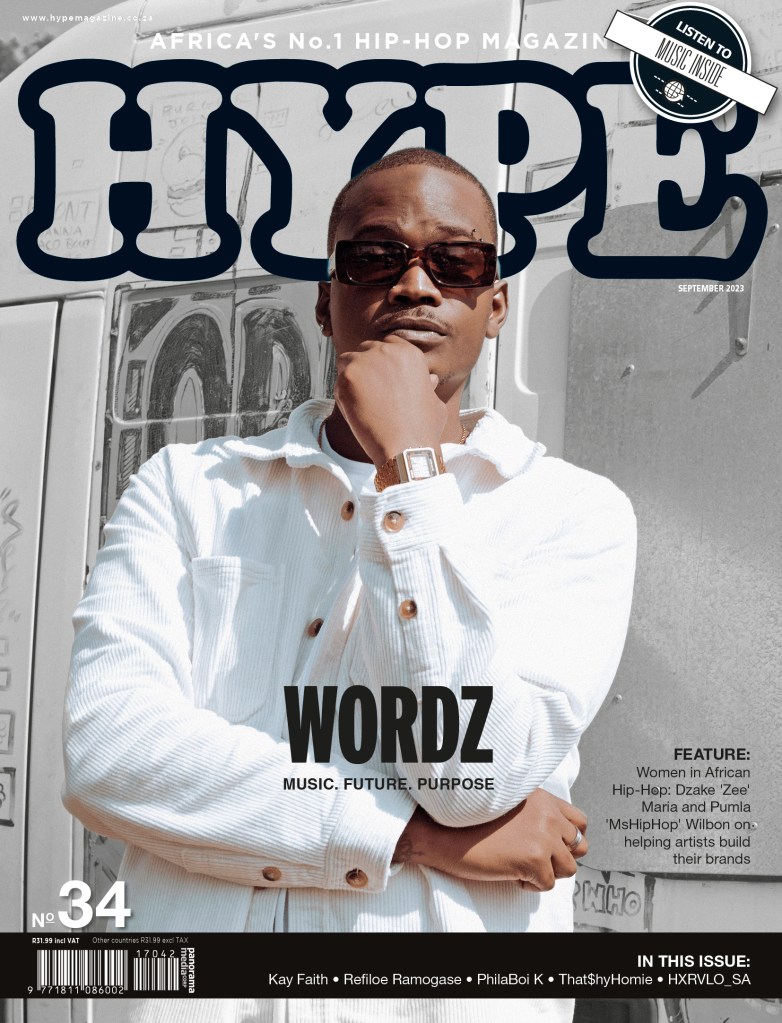
WORDZ ON THE COVER OF HYP MAGAZINE IN 2023 ISSUE 34
This is the first introduction into a world where Wordz is on a Amapiano inspired song. Yes, you read right. Amapiano. Now, I know the connotation is that when rappers in South Africa aren’t doing well they just ran to Amapiano but this was different. Using features such as Ch’cco who has the hip-hop melody and cadence, from when he started in music as a hip-hop artist, and in R&B singing sensation Una Rams. Mixing these worlds it’s almost as if he’s trying to discover a new sound that can meet both communities at a musical level.
Once I had heard it, my first thought was that Wordz has been listening to what the fans and social media has been saying and is trying to prove a point but then I started listening to the lyrics and throughout the project there’s this motif Wordz keeps bringing up of how now he’s the man and the one in the leader position not just in terms of his place in South African hip-hop amongst his peers but at home, his friends and within the business of it all. It starts to sound as if he’s found his footing and ready to take on the responsibility and accountability for his choices and how he wants to move within this industry.
It feels as those Wordz has had awakening in his own life and now he’s at the point where he no longer cares about what people have to say about him and the music, he makes but rather that he cares more about getting his message and vision out there in a way that he can be proud of and loves.
The diversity of the project begins to make sense as you realise that these are all the different parts of him that he would like to use to express himself and that have influenced him and he’s not going to tip-toe and walk on eggshells about it anymore. It sounds as though he’s found himself and in that he’s looking for the sounds that can rightfully depict this new-born Wordz for us.
I believe my theory is proven correct as you listen on through the rest of the project where it almost falls into the same pattern of kwaito influenced, hip-hop influenced, trap influenced, Pheli influenced and Amapiano influenced songs. One of the notable songs being ‘Amahloni’ ft Blue Pappi, K.Keed & Una Rams. This was a standout track for me because Blue Pappi is known for his melodic approach to the music and K.Keed has also been pushing the boundaries of Amapiano and R&B on her album, Bite The Bullet, which she released on the 28th of February.
MARK MY WORDS TRACKLIST & BACK ART COVER
This variety and experimentation made me appreciate the title of the project even more. Mark My Wordz, this is usually a phrase you hear in movies when the underdog has been beaten, kicked down and no one believes them. They say this as a reminder to all those who doubt that one day when they are on top this will be the moment you remember, and you’ll be shocked at how far they’ve come and what they’ve become.
That is exactly what this project feels like to me and as someone who has always felt as an experimental underdog, it hit and hit like crack…well the message of it that is. With it being experimental there is still much left to be desired such as the flow of the project. As I said the jump of genres in the songs without it being properly tailored to flow seamlessly into each other can sometimes take you out of the experience and make you must readjust to the new song that is being played. Part of experimentation is also finding what combinations work the best. I must say I really am loving the Wordz and Una Rams collaborations and I believe once they can lockdown the mix of Amapiano meets R&B, we might get one of the best hip-hop love songs to come. With some of the instrumentals they could be suited better for the verses or the verses for the beat but I’m sure Wordz is in the studio figuring and calculating all this out.
R&B SENSATION & PRETORIA NATIVE UNA RAMS
Overall, I would say this is a great listen in terms of wanting to hear more experimentation from our artists and that they should not be discouraged when experimenting but rather take the results and cook up a better product just as scientists do. If anyone were to ask me, “Is it be worth a listening to?”, my answer is a definite yes. It’s a great example to show people what the process of being an artist and, discovering your artistry looks and sounds like. The fact I found it to be an experimental mixtape and trying to see where Wordz is mentally in his journey, I would rate it a solid 6.5/10 and I leave you with this. Wordz is on a path to unlocking something special…mark my words.