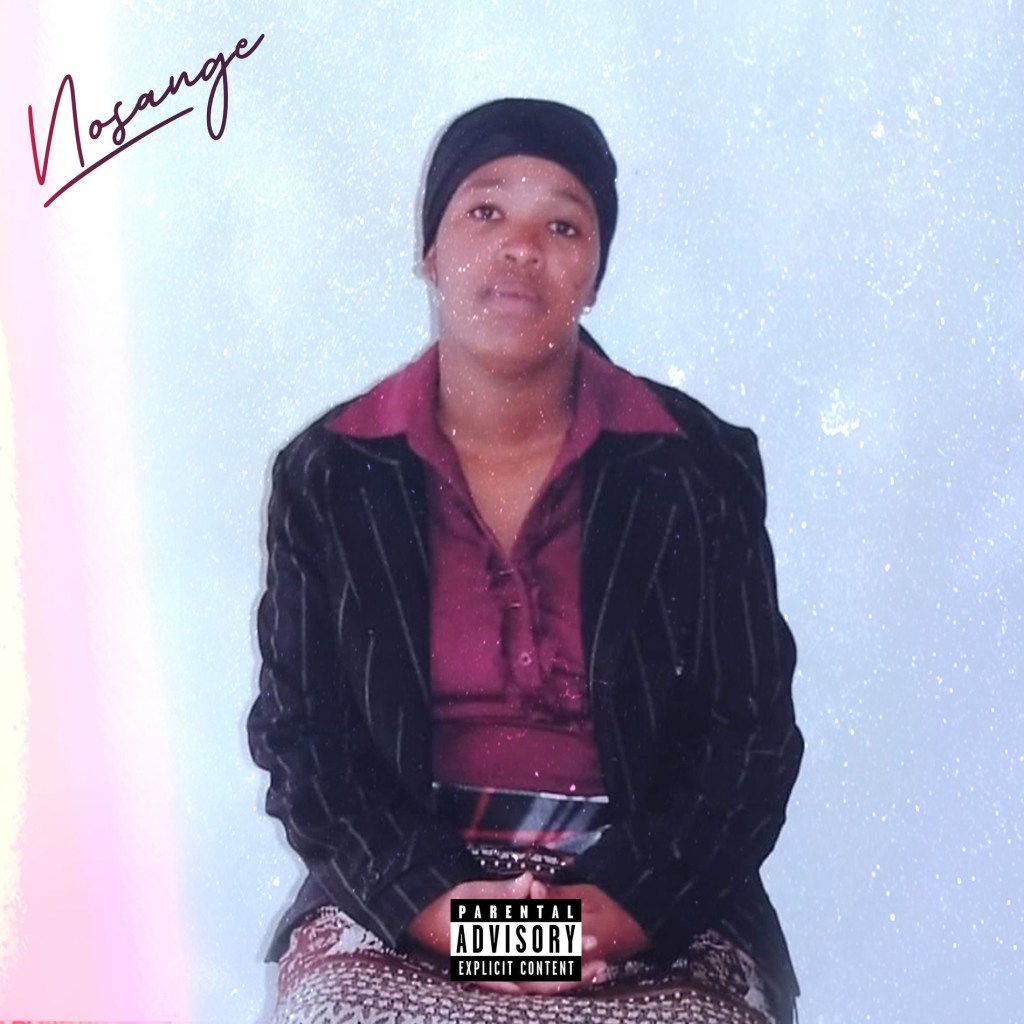
There’s something powerful about a debut that reveals who you are to the public. Lowfeye taps into that power on Nosange. After carving out a lane through EPs and the Qwellers movement, this album feels like a long exhale. It’s honest, unfiltered, and deeply personal.
What hits immediately is the vulnerability. He strikes a wonderful balance of bars for the sake of flexing skill and opening doors into who he is, where he comes from, and what’s been weighing on him. There’s a musicality that carries that honesty; a kind of softness layered over sharp lyricism that makes the album feel lived-in rather than performed. You get to meet him and get well acquainted with who he is.
The collaborations are intentional and textured. The Lia Butler feature lands in a way that feels both unexpected and necessary adding a richness that stretches the sonic palette of the album. And in the midst of all the Qwellers noise and rumours, there’s something grounding about seeing names like Blue Pappi and Lacabra show up. It reads less like industry politics and more like brotherhood still finding its way into the music, which makes those moments hit harder.
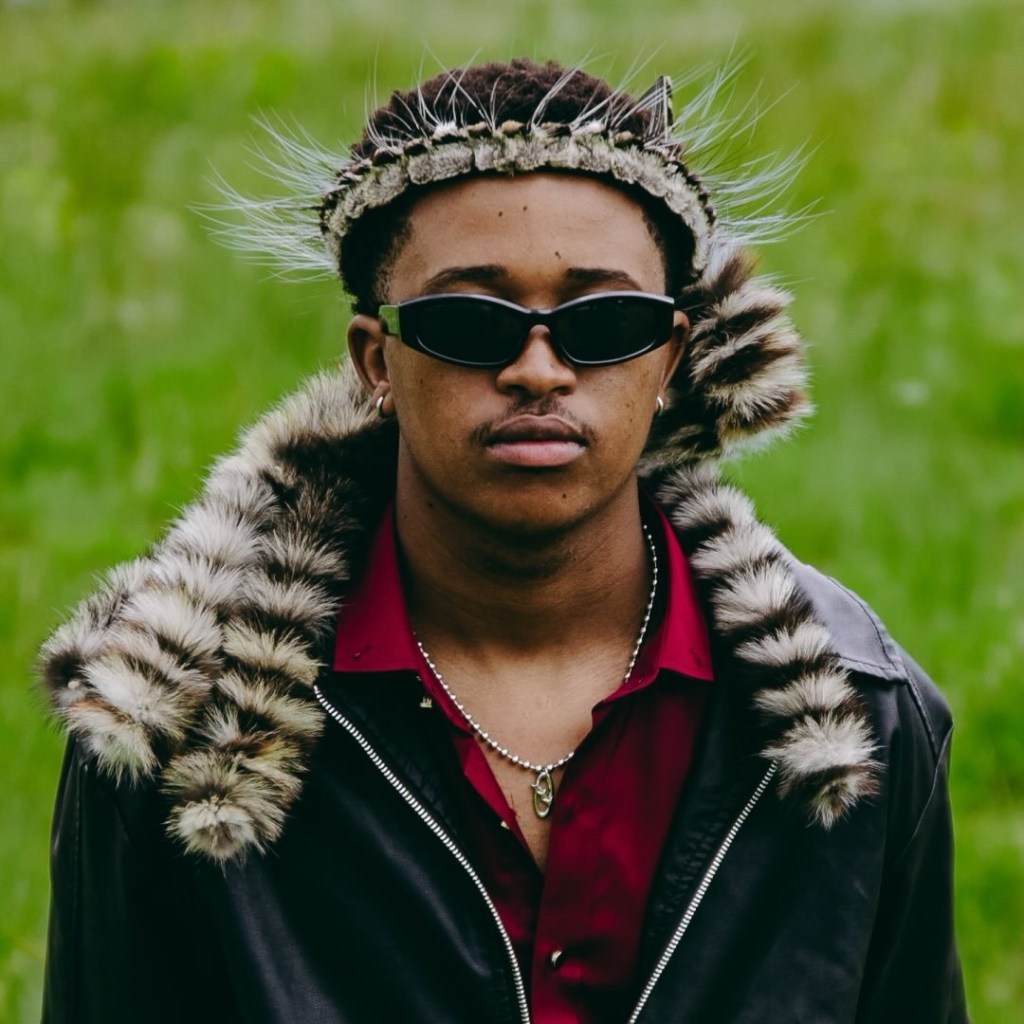
Then there’s the cultural weight. His gratitude toward Sjava is mentioned and felt. “Ethegwini” stands out as one of those records that transcends just being a song. Bringing in Shwi elevates it even further, tapping into something deeply rooted in South African musical heritage. It’s the kind of collaboration that sounds good and has meaning.
Lowfeye also delves into universal themes and puts on an advisory hat. “Check Em” cuts through with that familiar sting of betrayal, calling out fake friends with a clarity that feels both personal and universal. It’s the type of track that reminds you that growth often comes with isolation, and he leans into that discomfort instead of running from it.
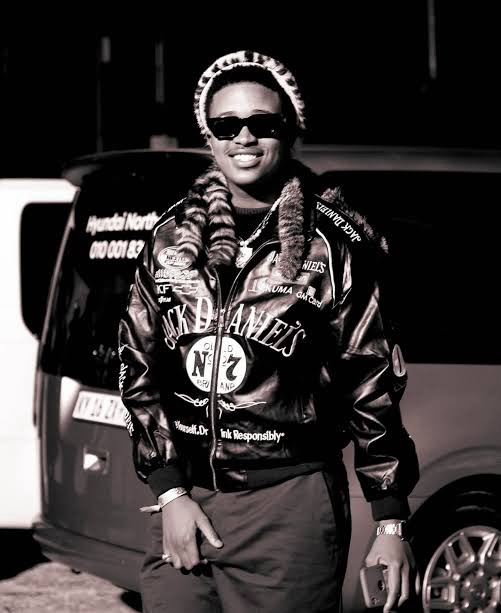
But the emotional core of the album sits with the title track, “Nosange.” Dedicated to his mother, it’s tender without being overdone, vulnerable without losing structure. There’s a quiet strength in how he approaches it letting the music carry the emotion instead of forcing it. It’s one of those songs that lingers long after it ends.
By the time the album closes, what’s clear is that Lowfeye isn’t asking for permission to exist in hip hop he’s claiming his space in it. Fully, unapologetically. Nosange doesn’t chase trends or try to fit into a moment. It builds its own, rooted in honesty, culture, and a refusal to be anything other than real. That’s where the magic is.


Leave a Reply