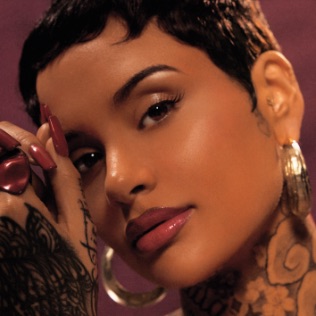
There’s something beautiful about watching an artist survive every version of themselves in public. For over a decade, Kehlani has done exactly that. From teenage prodigy to Tumblr-era R&B staple, from heartbreak prophet to spiritual healer, her career has unfolded in real time. Every phase documented. Every scar audible. Every lesson stitched into melody.
That’s what makes her new album feel so important. Not because it’s louder than her previous work, but because it’s calmer. More intentional. More rooted. It sounds like the glow up after dealing with demons and finding peace. The mood is light, confident, self aware and at peace.
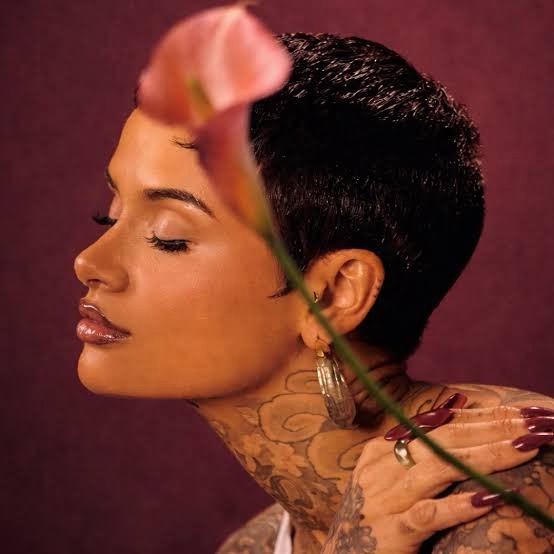
For years, Kehlani occupied a very specific lane in modern R&B. She made music for people trapped in emotional loops. Music for drunk texts at 2AM. Music for loving people that were terrible for you. Her earlier projects carried that beautifully chaotic energy that defined a generation of internet-age R&B. Toxicity was not just a theme in the music, it was part of the aesthetic. The late-night confessions, the emotional manipulation, the cyclical heartbreak, the push and pull of wanting softness while simultaneously sabotaging it. Kehlani mastered that language because she lived it.
And that honesty is what made people connect so deeply with her catalog. She never sounded above the mess. She sounded inside of it.
But somewhere along the line, the music started changing because the woman behind it started changing too. Over the last few years, Kehlani has spoken openly about therapy, accountability, motherhood, spirituality, emotional discipline and the difficult process of unlearning destructive habits. You can hear that work all over this album. Not in a preachy way. Not in a “look how evolved I am” kind of way. More in the subtle maturity of someone who finally understands that peace is harder to write about than pain.
The growth is most evident in the emotional architecture of the album. The songs no longer romanticize chaos. Vulnerability is no longer framed as weakness. Desire no longer feels reckless. Even when the music touches heartbreak or longing, there’s a level of emotional clarity that wasn’t always present in earlier Kehlani records. She sounds grounded. Present. There’s less running. Less spiraling. More reflection.
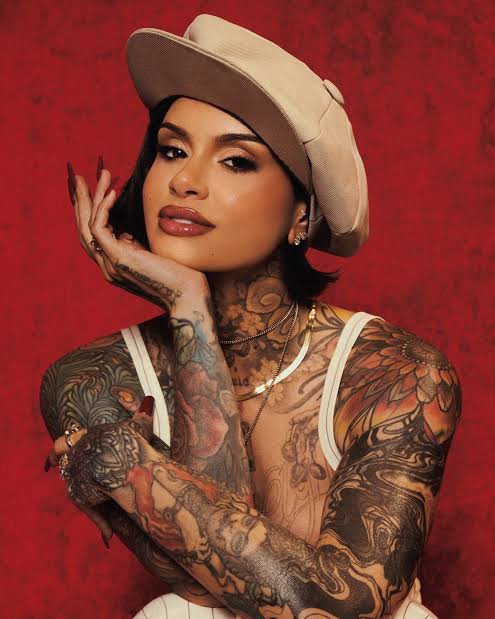
That makes the success of “Folded” feel even more significant. The record became an anthem not because it was explosive, but because it was emotionally precise. “Folded” captures the kind of mature heartbreak that arrives after self-awareness. The writing has a sense of taking one’s power back. It doesn’t beg. It doesn’t perform. It simply sits with the disappointment of love that could not survive growth. That emotional sophistication is exactly why the song resonated the way it did.
What makes this album hit even harder is the fact that it took this long for Kehlani to finally arrive at the self-titled era. Artists usually self-title projects when they believe they’ve reached their clearest artistic form. It’s almost like planting a flag and saying: this is who I am. No characters. No smoke screens. No protective layers. Just me.
For Kehlani, the self-titled album feels earned. It feels like the culmination of years spent navigating fame, motherhood, heartbreak, identity, queerness, spirituality and public scrutiny. Instead of chasing trends or reinventing herself for the algorithm, she chose to make an album that feels deeply connected to the roots of R&B itself.
The project plays like a love letter to the genre. You can hear traces of 90s and early 2000s soul throughout the production. Warm basslines. Silky harmonies. Great instrumentation. Slow-burning grooves that prioritize feeling over virality. Yet the album never sounds dated. That’s the genius of it. The production understands the history of R&B without becoming trapped inside nostalgia. It feels current while still honoring the lineage.
That balance becomes even more powerful through the collaborators she brought into the fold. When artists like Usher, Brandy, Missy Elliott and Lil Wayne appear on a project, it means something bigger than star power. These are pillars of RnB, soul and hip hop. Their inclusion almost feels ceremonial, like Kehlani positioning herself within a larger tradition rather than outside of it.
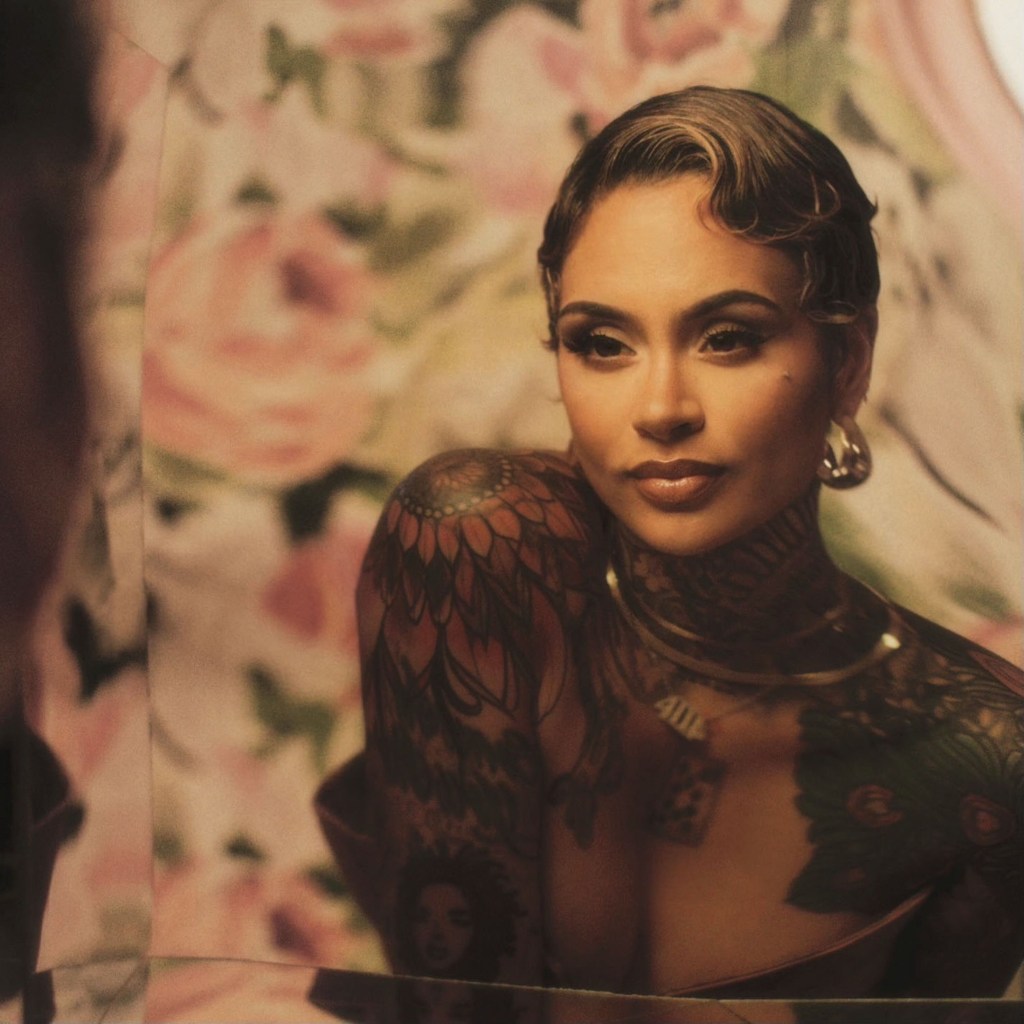
And importantly, the collaborations never overshadow her. They reinforce her vision. Brandy’s presence feels especially symbolic considering how much of Brandy’s vocal DNA exists across modern alternative R&B. Usher brings that effortless grown-man smoothness that defined an era of radio domination. Missy injects rhythmic unpredictability and edge. Wayne, as always, bends melody and rap into something instinctive and emotional. Together they help Kehlani create an album that feels multigenerational. Even the way the Clipse fit into Kehlani’s world is seamless. A song that could fit in the late 90s to today (shout out to her for letting Pusha T double down on some of his relationship takes lol)
But beyond all the features and production conversations, the real triumph of this album is emotional. Kehlani sounds lighter. Not happier necessarily, but freer. The music feels less concerned with proving desirability and more interested in protecting emotional intimacy. That’s a huge difference.
A lot of artists spend their careers trying to become icons. Kehlani spent hers trying to become whole. That journey is written all over this album. And maybe that’s why it lands so deeply. Because beneath all the lush harmonies, elite features and beautiful production choices is a woman documenting what it sounds like to finally choose peace over performance.
 FRATPACKER WORLD.
Leave a comment