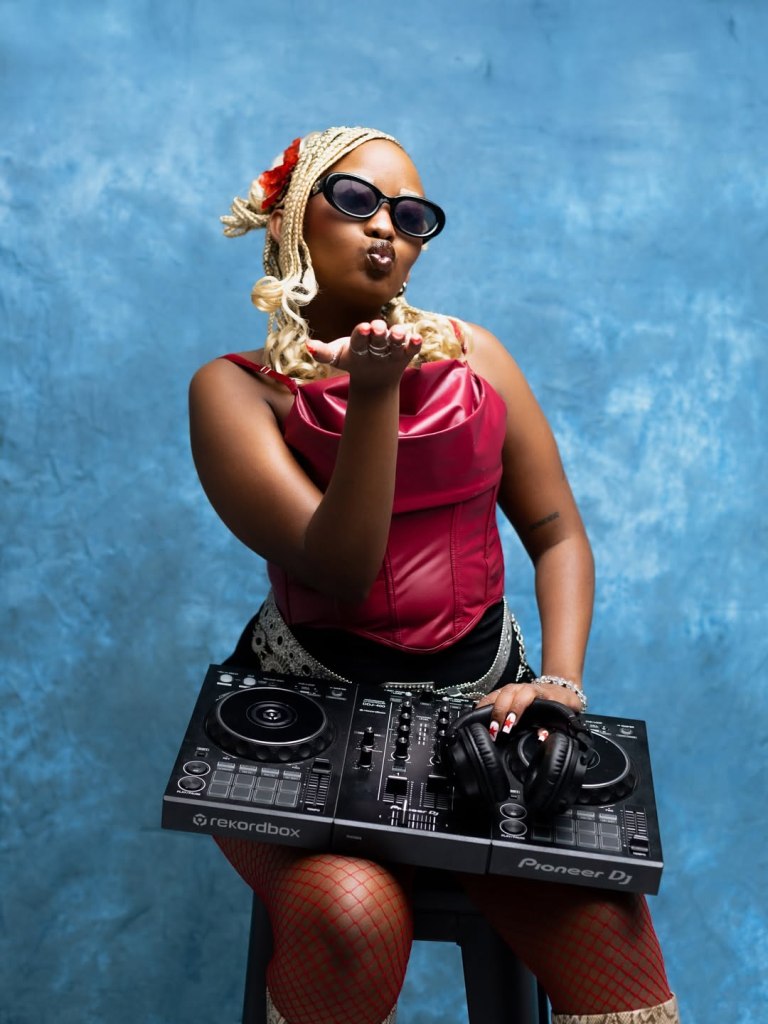
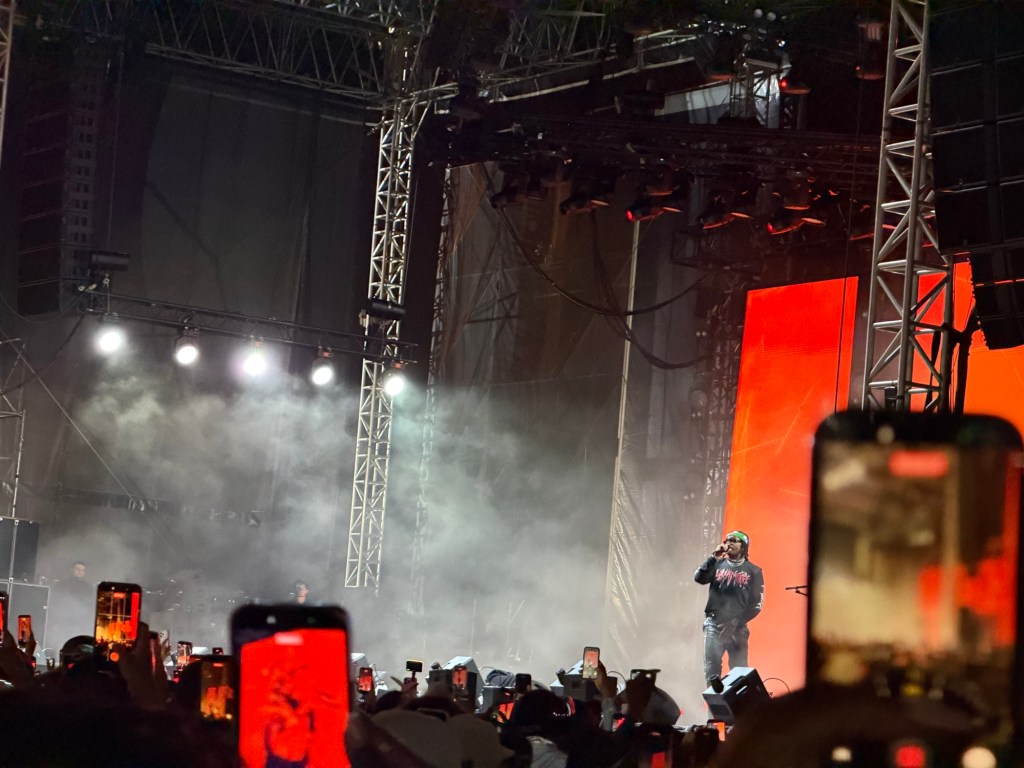
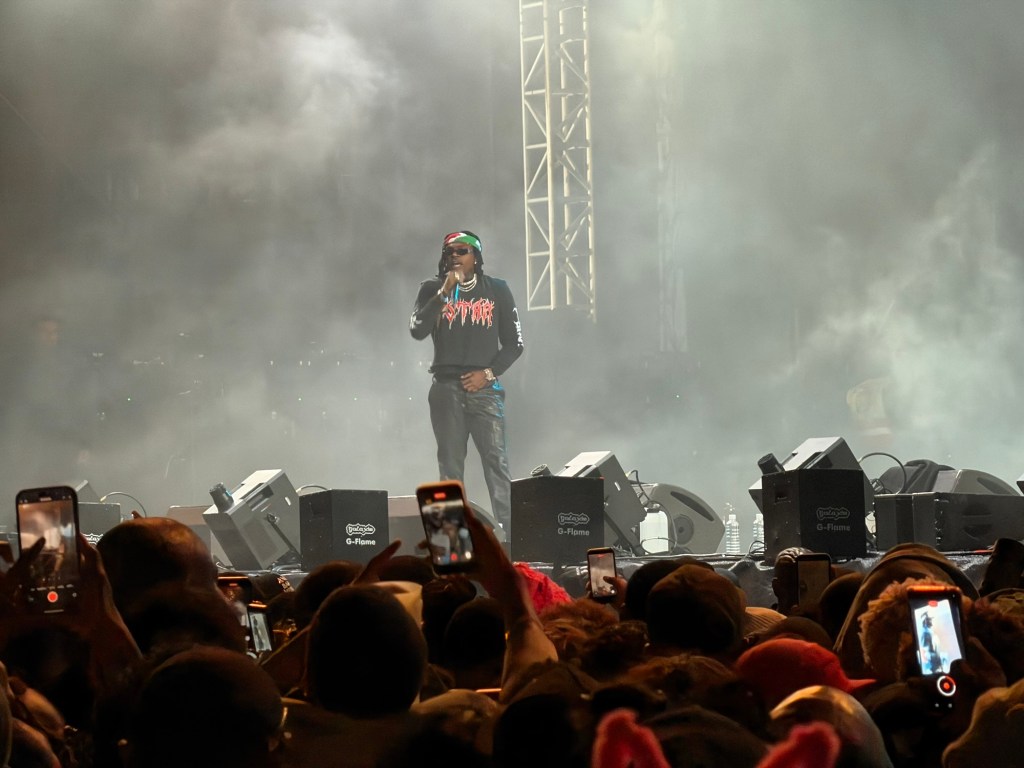
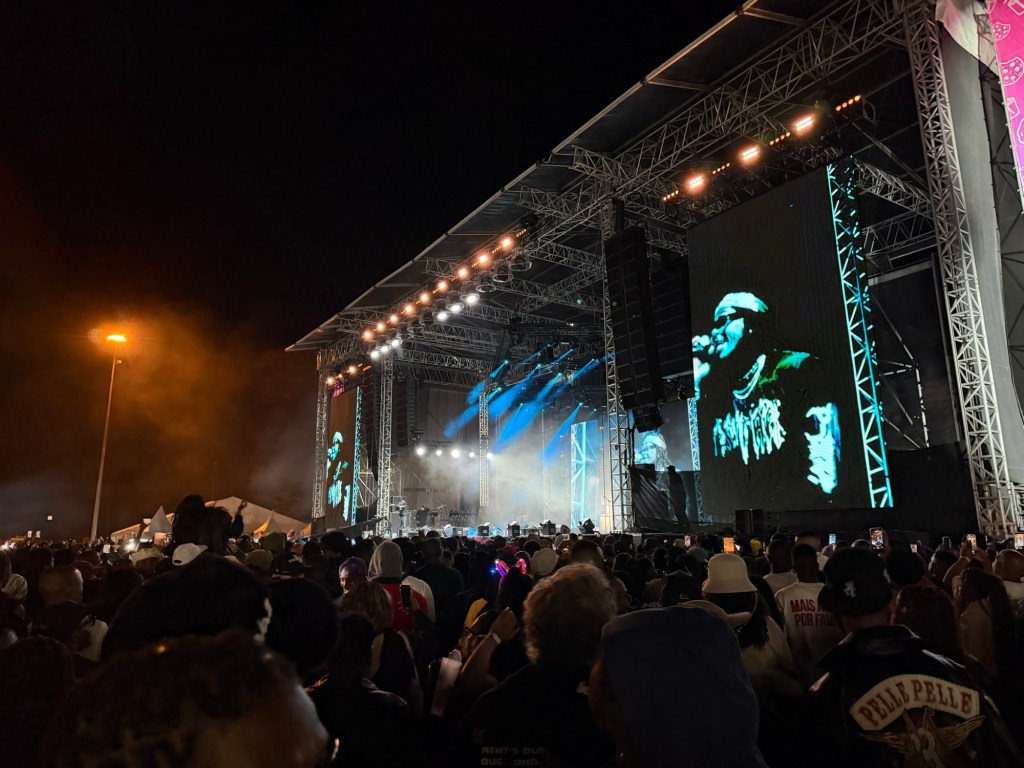
• In 2025 it feels like the route to becoming an artist and superstar has become easier and easier but with that being the case it does make me one wonder what does it mean for the quality of artists and superstars? Yes, it might have been harder to crack the mould back in the days but that’s because the barriers to entry weren’t just an access and proximity bound but also the need for quality control and development and honestly, we need to run it back.

    I say this because I can safely say for the last 8/7 years I’ve made it my priority to watch as many local live hip-hop and r&b performances and it breaks my heart to say this but majority of the acts and artists just aren’t ready to be on stage and not because they lack the talent but they lack the work ethic and passion it takes to be a great performer. This may come off harsh but it’s just the truth and a part of me sympathises with the artists.

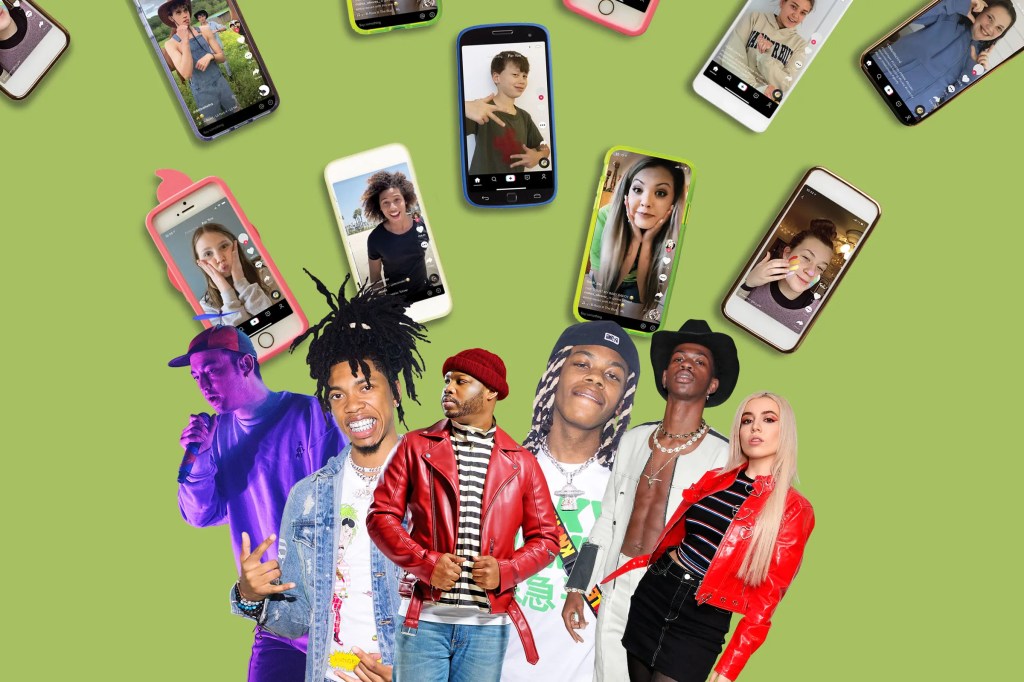
    In this digital and social media age artists and performers have been seduced into focusing on growing their online presence and “brand” more than their actual work and product. Creating trends and dances to their songs so that they can be popular trends and spread around social media. I mean it’s gotten to the point where you can hear a song just through social media without ever actually looking it up and going to search for it, which has presented a separate problem for artist but in true Fratpacked World fashion, “That’s a topic for another day.”. This leading to the prioritisation of perception over practice. The impact of social media and how there’s been a new emphasised importance of it in the overall art & entertainment space has shifted things and some for the better, but it feels like it’s been more for the worse.

    I say that it has been for the worst because social media is a short-term goal, lifespan and experience for everyone involved. It is common to be viral today and gone tomorrow. Labels and fans have started centring the conversation around numbers and views, and we know most of those come from being a personality, recreating trends, building your brand, becoming viral, all the things that have nothing to do with music. I know being born in 1993 I’m an Unc and come from ancient times but I remember when superstars were created by developing the talent and building the personality around it and not how we do it today where superstars are created by developing the personality and building the talent around it.

    More time and thought is put into look the part instead of being the part. Artists need to look at themselves like they are athletes or sport professionals. You have to practice your craft every day and as much as possible, so you’re always prepared for the big game day, instead of learning and making mistakes on the field when it’s time to perform and fans are expecting you to be at your best. It’s mental and physical preparation at the same time. Understanding how hard you have to work and push yourself to be a great perform and especially if you want to be a global superstar.

    Coming from a generation where we were exposed to the fact that talent wasn’t enough, but you needed hard to be the best, it really did elevate the musicians of our time. You see your Michael Jackson, Beyonce, Usher, Breda Fassie, AKA and more you see years of hard work, rehearsal, vocal training, singing coaches, dance lessons, choreography, watching and rewatching your favourite music videos, listening to songs over and over again until you can sing the melody off by heart, learning and memorising lyrics to the point that you can recite them from heart without any instrumental or beat, running making sure that you can work on your fitness for your breath control, reading books to help better your writing, standing in front of the mirror seeing yourself on stage in front of thousands of fans as the spotlight hits you and it’s your time to shine. I could go on and on about all the ways, techniques, strategies, methods and more on how to develop this but ultimately none of it matters unless the passion is there.

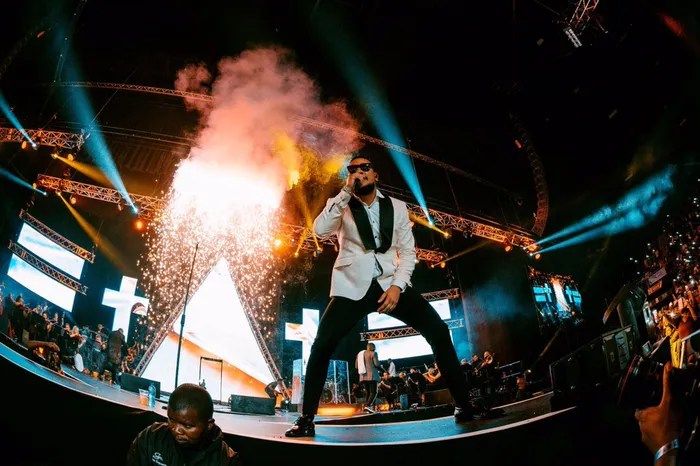
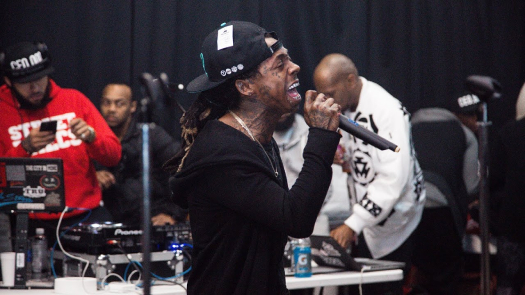
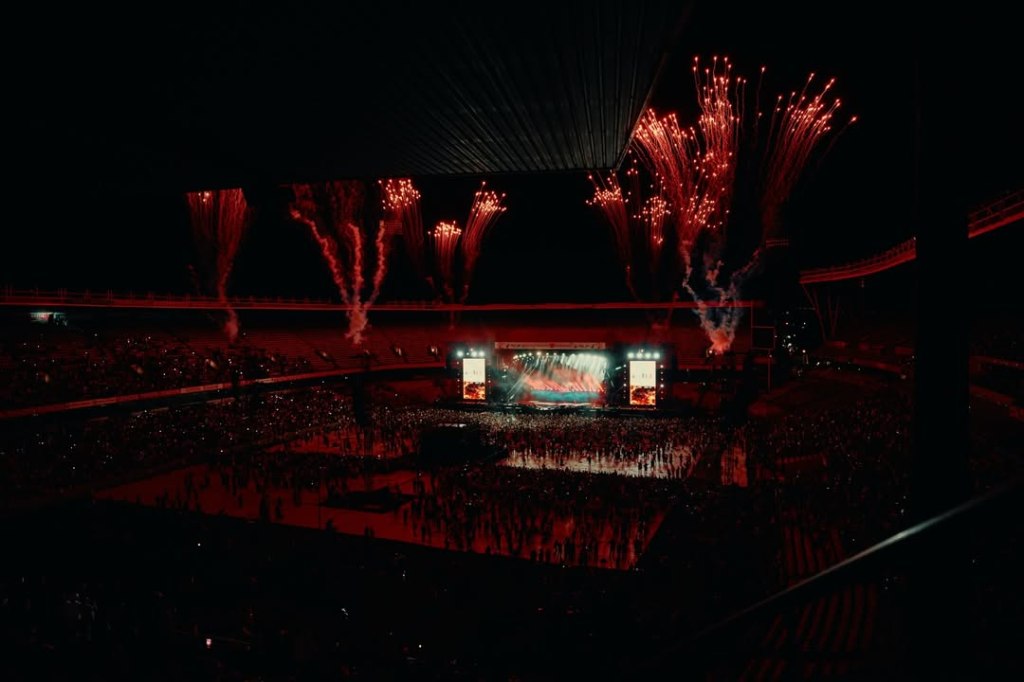
    As I mentioned when I started this article, I’ve been attending our South African live shows, from the smallest underground shows to the biggest mainstream festivals, and one thing I’ve noticed is that people have more passion for the fame, glory and lights and less for the actual art and craft. I’ve the smallest and biggest names come on stage and commit the most heinous live performance crime and cardinal sin by performing with a back track. Now, if you’re going to have your adlibs and back-up vocals on the back track to add to your performance, cool but the whole song, what are we doing?

    Backtracking ruins the performance for everyone. Firstly, as the performer you lose track of your lyrics and timing because now, you’re focused on trying to keep up or hear yourself on the track and either stumble or miss your lyrics but the sad part is that most cases backtracks are used because people haven’t rehearsed enough to know their lyrics. Secondly, it ruins it for the fan because we can hear the backtrack louder than your mic and that the timing is off, you’re getting your lyrics wrong and frankly if I wanted to just hear the song, I would have played it off the speaker at home and saved myself some money which is always a bonus in Cyril’s economy.

    It’s not just the backtracking but even just the performance overall. I don’t see people putting emphasis on the choreography and you don’t have to be Michael Jackson but just know what small movements go along to your lyrics or the beat. Knowing how and where you going to move on stage is important because you get to move the people along with you. Production factor and especially on these big stages that have the option of having LED screens with your visuals on it. Don’t just get some cool graphic design or artwork. Put together a showreel of your moments and videos so that people can watch your experiences and journey while you perform so that they can build a bond with you. Even if it’s there first time listening to you, they can appreciate what you’ve had to go through to get to this stage (excuse the pun) in your life.

    What I advise people on, instead of using a back track, get a hype-man. When last did you see someone on stage with a hype-man? They are so important. I’ve been too many shows where I see the artists trying to do some crowd engagement and control, but it fails on flat ears because they aren’t that confident in themselves as of yet and then hearing a cold reply is even more disheartening and that’s where the hype-man comes into play. They are your energy guide for the crowd so that they set the tone for how the crowd should react and respond to you. They add the extra spice to every adlib or rhyme and even sing or rap along when necessary. When you want to do a back and forth they are the first respondent and the crowd follows after. They are your partner in crime and need to be in the trenches with you from rehearsal to till the lights switch off and the mic cuts.

    There’s so much I can say and dive into because I just really want us to live up to the potential of being the best and greatest artists and performers in the world but it won’t happen unless we put the blood, sweat, tears and soul into it. Don’t just go and looking to have a moment or go viral but go looking to provide memories and life changing experiences for the fans, your team and yourself as well. It’s bigger than just a live performance, it’s a spiritual connection and we can tell when the soul is missing.

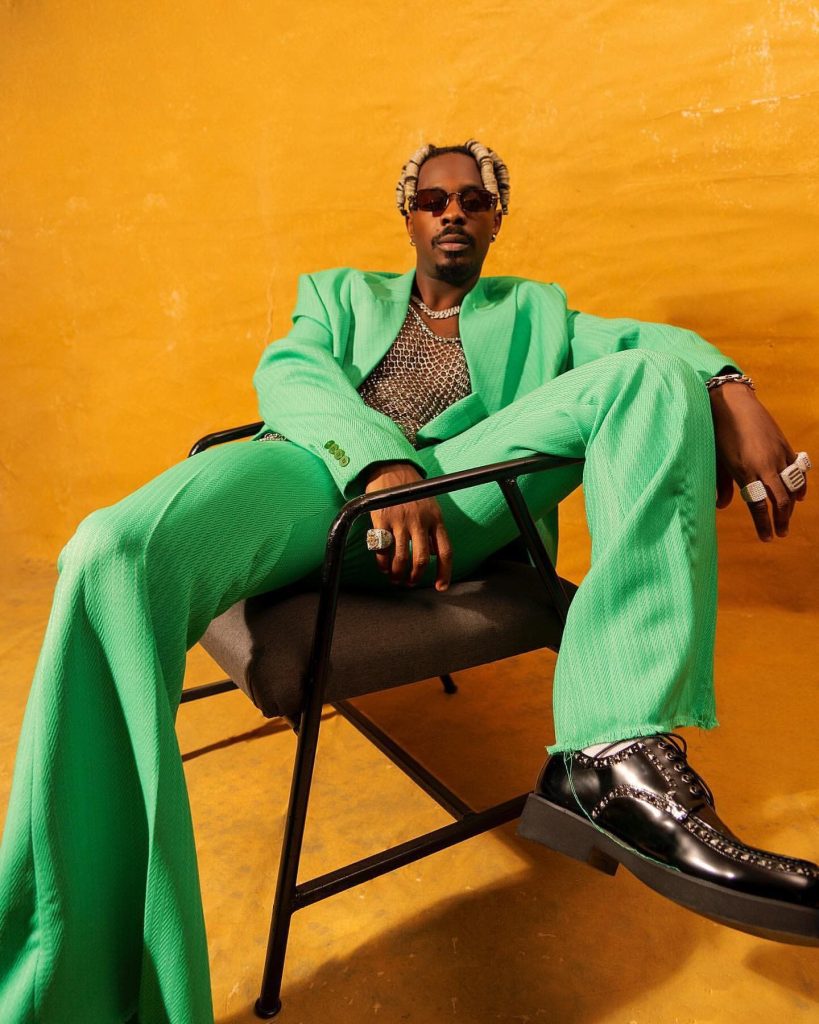
  • Young Jonn is in a great space of  becoming. This is that rare space where personal evolution meets artistic elevation, and suddenly the music starts to sound deeper than the dancefloors it’s built for. His recent interviews and music have that energy. He is still jiggy, still hit-heavy, but also fully aware that life has pressed him, bruised him, matured him  and sharpened him.

    When he speaks about grief and the loss of his mom, he doesn’t romanticize it. He frames it like a recalibration. Losing people, losing pieces of himself, grieving chapters that can’t reopen all of that forced him to sit still and look at his life with uncomfortable clarity. And somehow, instead of closing up, he opened up creatively.

    We are watching transformation in real time with him. There’s a beautiful duality to Young Jonn’s journey. For years he was the architect in the background crafting beats that shaped an era. Now, with the spotlight fully on him, he’s learning how to inhabit the center stage without losing the producer mind that built his reputation.

    He has spoken on how he has learnt to strike a balance and has found the sweet spot of how to achieve virality without being consumed by it. How to stay true to his sound while still feeding the algorithm. How to build hits without losing heart.

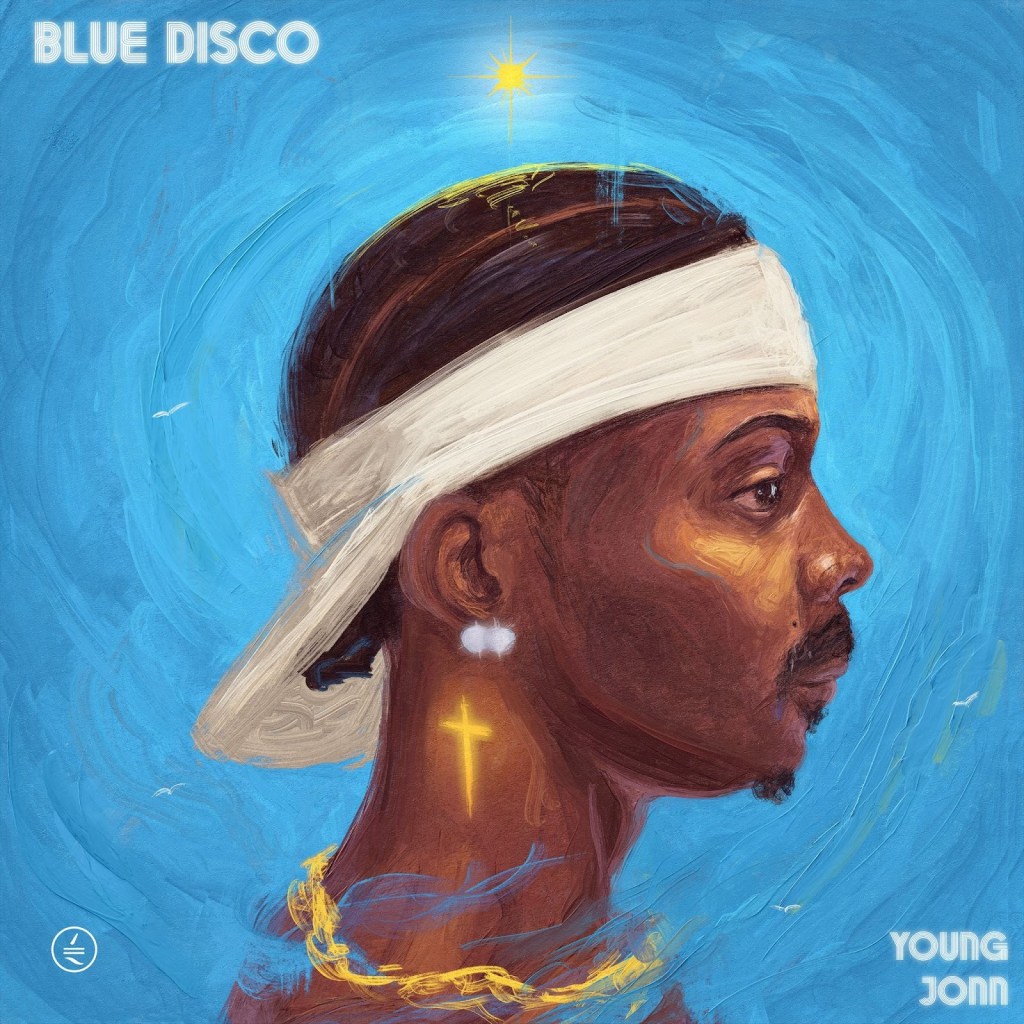
    This brings us to his chart topping new album, Blue Disco.
    raising his voice. For years, he lived in the shadows of artists he helped build — a quiet sniper with a production tag that guaranteed chaos on any dancefloor. But Blue Disco, his newest album, is where everything finally clicks. It’s the moment he stops being “the wicked producer who can sing” and becomes something bigger: a global-minded, emotionally layered artist who’s done playing small. It seems as though Jiggy Forever was him testing the waters, Blue Disco is him diving straight into the deep end confident, calculated, and fully aware that the world is now watching.

    The album lives at the intersection of two energies The coolness and infectious vibe of Lagos at night and the glitter of an international dancefloor. It’s Afrobeats with a jiggy twist, shiny synths and sprinkles of log drums in the right places.

    He’s not abandoning his core as he doesn’t stray away from his signature sound but there is a progressive sonic evolution to it songs like 2Factor are an indication off this (Shout out to Asake and Fopcalistic for the fire contributions). To give a brief vibe summary, one can say that there’s bounce, but there’s reflection. There’s shine, but there’s story. There’s groove, but there’s growth. It’s the duality that makes Blue Disco feel like a turning point.

    What hits immediately is the ambition. Twenty-plus tracks is no small statement especially for a sophomore album. It’s evident that used the space to experiment. You can feel the producer brain at work, shaping transitions, sculpting textures, making sure every song is its own universe. The disco influence is subtle but intentional: glossy basslines, shimmery pads, electronic sparkles, and an atmospheric cool that lifts the project beyond Lagos. It’s Afrobeats for the global ear not trying to imitate anything, just expanding the palette.

    The collaborations are strategic. Not overcrowding the record, but sharpening its edges.
    Every feature feels like an accent, not a distraction. Each feature shines, from Foca and Asake in log drum heaven to Shenseea on the dancehall coded “Accelerate” and of course Wiz Kid gives that lavish feel on Cashflow.

    This is someone who understands range without losing identity. Blue Disco carries emotion and its positively charged. A song like “Strika” showcases this as he spells out love in the jiggiest way. It’s by no means a sad album.

    Young Jonn doesn’t force vulnerability; he weaves it into melodies, into chord choices, into the quiet corners of the project. It’s an album with a lot of light, its indeed a blue afro disco. Like he says on the outro “in the wreckage where we found our glow, all becomes light at the blue disco.

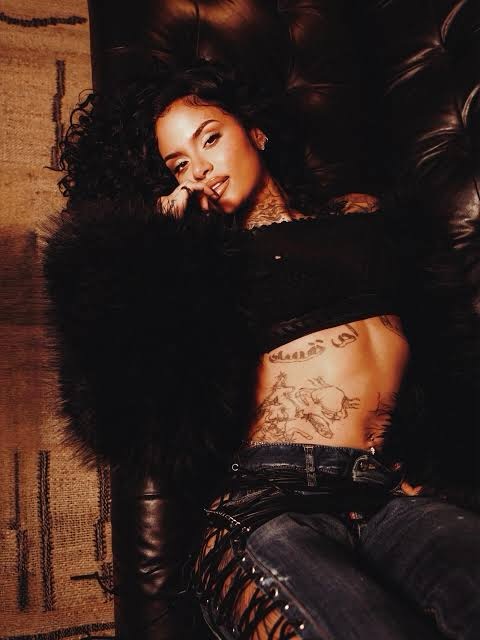
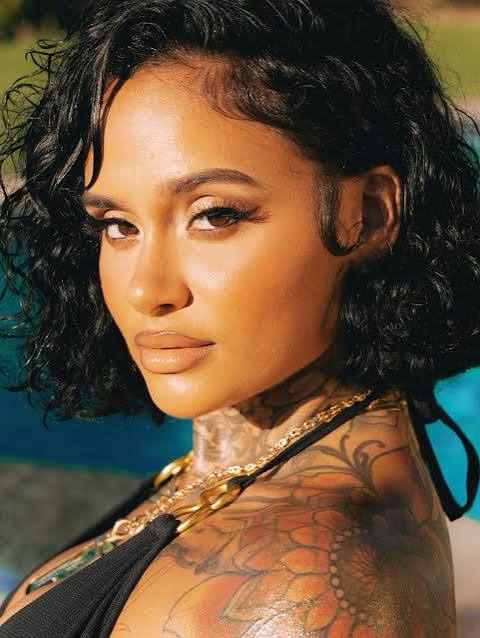
  • R&B’s never been short of heartbreak anthems, but few artists have grown with the genre the way Kehlani has. From the days of You Should Be Here and SweetSexySavage, she’s evolved from the Bay’s restless soulchild into one of R&B’s most emotionally fluent narrators. Each era, she’s sharpened her pen, peeled back another layer of self, and blurred that line between pain and peace. Kehlani has mastered the craft of creating emotional ecosystems with her music and collaborations.

    What makes Kehlani so captivating is how she’s turned self-work into sound. Her catalog reads like a timeline of therapy sessions set to neo-soul chords. She went from asking questions in It Was Good Until It Wasn’t to offering answers in blue water road. The growth comes through in her sonic treatment it’s intentional, grounded, and confident. She’s the rare R&B act that leads with vulnerability yet moves like a boss.

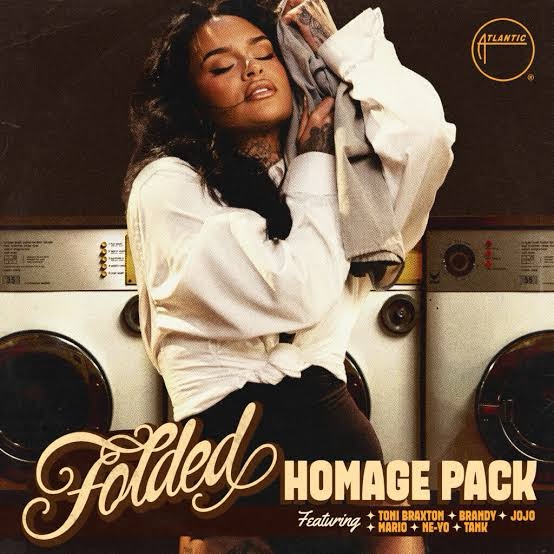
    I am saying this to double back on “Folded” — a record that feels like Kehlani’s entire journey folding back into one song. It’s spacious, clean, and soaked in that late-night honesty that made us fall for her in the first place. The track floats somewhere between heartbreak and healing, carried by her feather-light vocals and that vintage-meets-modern production.

    The writing is razor-sharp: she’s reflecting, forgiving, and releasing all in one verse. Sonically, it’s a masterclass in balance. The drums knock just enough to move, while her tone glides through layers of synth and silence. It’s R&B stripped of all gimmicks just feeling, clarity, and Kehlani’s golden voice.

    And because she’s Kehlani  she didn’t stop there. After the song caught fire and everyone with a voice tried their hand at interpreting the song in their way, Kehlani did something super cool. She dropped a short project titled “Folded (homage pack)”, a lush re-imagining of Folded that doubles as a love letter to the genre itself. The project feels like walking through a gallery of R&B’s eras with each remix. She enlisted  legendary voices such as Toni Braxton, Brandy, Tank and more to give their spin on what is possibly the song of the year from the RnB genre. This was a beautiful way to pay homage to fellow RnB artists.

    What’s special about Kehlani right now is that she’s not chasing the mainstream but redefining it from within. While others sprint for chart positions and stream watching, she’s building a home for emotional transparency and sonic integrity. Folded is proof that pure vulnerable RnB resonates with audiences and artists alike.

    The creative  way in which Kehlani paid homage , is an example of how one breathes more life into the art through strategic collaboration that hands wins to creators and consumers. The song’s title may be folded but RnB definitely won’t.

  • THE CURSE & BLESSING OF SOUTH AFRICA:

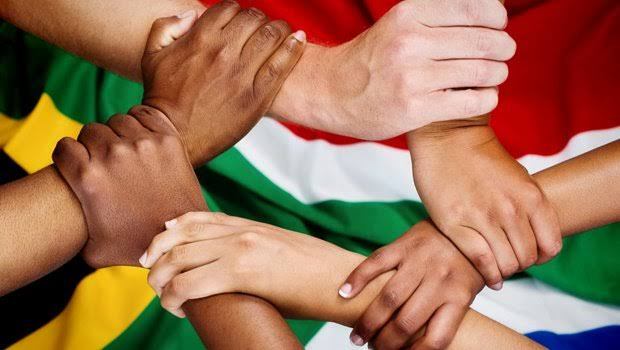
    It’s October 2025 as I write this and it’s that time of year that three words get to steal the spotlight and shine to the fullest. Those three words being year-end fatigue.  Now the reason why I mention year-end fatigue is because 10 years ago around this time we saw what was known as the ‘Fees Must Fall’ protests and strikes that sent thousands of students out on to the streets fighting the government for reduced university fees and being a student at the time and involved in the movement it made me think that was one of the last times a group of South Africans all came together no matter their background but also reminder of how many South Africans thought it wasn’t a worthy cause or energy that should have been redirected to different causes and led me to a question I’ve always had which is; if South Africa is a rainbow nation and there are 7 colours, which piece do we eat first off the plate and what do we leave for last?

    I’ll start at community. Now they would tell you that the word community originates from Latin and so forth, but I would imagine that it comes from having a COMMON goal that UNITES us and therefore making us a COMMUNITY. Having a shared goal or vision really does make it easier for a group of people to move and stick together because even if we may have different approaches, reasoning or strategy on how things should be done to achieve this goal, the fact we all have the same goal allows for us to listen to one another, trust in one another and come together to take from each other to build our ideal world. When we are not united in a common goal it creates a separation of state within that specific community or group of people. Allowing for miscommunication, disconnection, lack of support, lack of respect and internal fighting so instead of fighting for a cause or goal, you end up fighting each other.

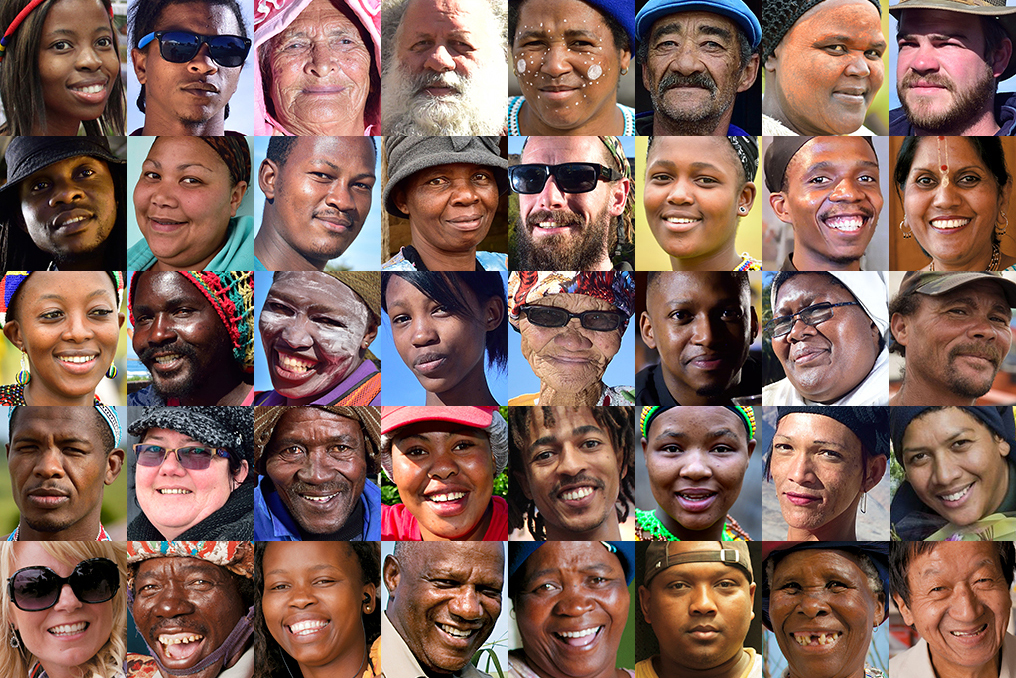
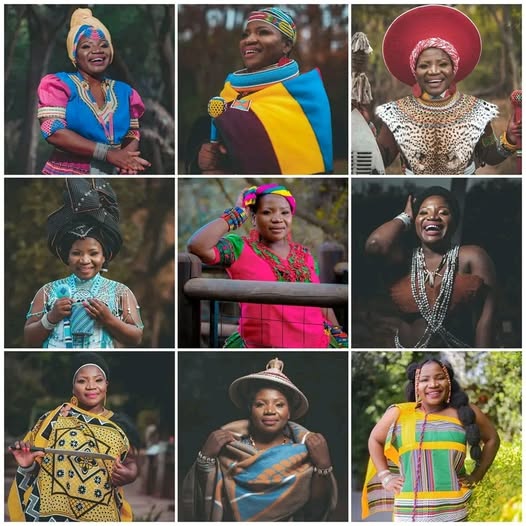
    When we look at our beautiful country of South Africa, we do have a strong community in which we all believe that everyone has a voice and space within this country to be themselves. We have a culture of not just tolerance but acceptance as well. Having different cultural ethnicities like Xhosa, Zulu, Tswana, Sotho, Venda, Tsonga, Coloured, Afrikaans and more. Each having their own unique practices, foods and beverages, music and languages. As a country we’ve found a way to create space for all of us to integrate with each other and share these beliefs, traditions and various aspects of the different cultures with each other and create new experiences and memories. It’s more common to be multilingual in South Africa just because that’s how much we believe in being one as a nation and people and trying to make space for everyone.

    The Different Cultures of South Africa

    Now as much as we are united now, we can’t not forget about our segregated and horrific history. With Jan Van Reibeeck landing on the shores of Cape Town in 1652 with the mission of establishing a permanent settlement and fort for the Dutch East India Company. This started a continuous terror of colonisation by foreigners placed upon the natives and black people of South Africa with the British following and then trying to implement their own system and fighting with the Dutch, all while both trying to take over the land from the indigenous people of South Africa. This back and forth kept happening while they were fighting for political and governmental control of South Africa. In 1948 the National Party were the ruling party and introduced a new system of segregation known as Apartheid, that had placed inhumane laws and rules that were meant to disempower, belittle and take advantage of black people and people of colour until 1994, when due to the sacrifices and courage of our legendary freedom fighters and parties fought against this tyranny and gained us our freedom and independence from the racists state and government.

    The only way we as a country were able to defeat and rise above Apartheid was that we had to come together as a people for one goal, one mission as one mind, body and collective. This is when we saw true unity as a country and what built us to become a nation that can be united even through our vast diversity. All cultures and groups had to come together to overthrow and bring down the government and systems of Apartheid. Now no one wants to be united because of tyranny rule but having a common enemy does provide as a foundation to unite people in having a common cause to fight for.

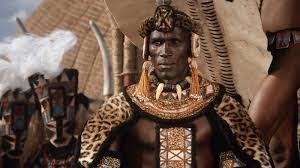
    Looking at our past and where we are today, it sometimes feels like maybe that was truly the last time we were united as a country and that’s where the cure of being so diverse comes in. As much as we boast in pride about our diversity it can also be our flaw because with having so many different voices and every voice needing to be heard, the question then becomes, “Are we speaking the same language?”, not literally but figuratively. Do we all have the same goal? Even within our own history as indigenous people if we really exam the story of Shaka Zulu, was he a hero or a villain? To the Zulu culture and nation, he can be seen as a great king who was trying to create unity and one nation by bringing everyone into the Zulu nation. To the other cultures in South Africa, it feels more like he was a villain trying to colonise other cultures only to expand his power and reign over the Zulul nation.

    A Drawing of Shaka Zulu

    In trying to create one nation and common goal Shaka was extinguishing and killing the voices and heritage of the different cultures and people. His intention may have been pure, but the execution was far from it. I look at this past because it makes me question, “How do we unite such a diverse country and people?”. Throughout history in the world, we have seen time and time again that strength in numbers is a real thing and that the more people can come together for the same desired outcome the better the chance you have of fighting and winning to see that result happen. How do you do that in a country that has various groups of cultures and ethnicities?

    Now, let’s look at it in modern terms and besides that culture and ethnicities we are now dealing with political, religious, social, mental, gender, sexual, financial, emotional, schooling, living and so many more beliefs and opinions that we face every day and must confront. We must first figure out individually what we believe on each of these topics and try figure out what they mean for us before even being able to then try and find the community of people who have the same views as you. It’s even more difficult now with the capitalist systems that we live in where we see huge gaps in terms of those with wealth financially and those who are poverty-stricken.

    I look at this poverty gap and how just because of it, it creates a barrier to unite for a common cause. As someone who has been privileged to grow-up in a middle-class lifestyle but still be in-touch with my parents’ roots; having to visit my dad’s village [Mpunzana found in Mthatha in the Eastern Cape] and having to live and witness the lifestyle they were living, I’ve seen the vast difference between the two lifestyles. You don’t even have to go all the way to the villages to experience this when we have townships like Alexandra, Soweto, Khayalitsha, Guglethu, Umlazi, Kwamashu and many more scattered through-out the country that are still poverty-stricken and disempowered because of Apartheid. You go to these areas, and you see that the people in those communities are focused on surviving. Trying to figure out where their next meal is coming from, having a roof to sleep under, clothes to wear, water to drink and wash with, just the necessity to live and feel like an actual human-being. Then I live in my reality of middle class where we have internet and social media and people are fighting for things such as sexism, gender politics, politics, public figures, and many topics that can be labelled as first world products.

    When I look at these two different lifestyles and analyse them, I always question, “Do you think the person having to wake-up at 3am to go fetch water from the river that they still need to filter so that it can be safe for washing and consumption. You think that person is worried about Twitter topics such as pro-noun identification?”.

    South Africa The United Rainbow Nation


    I believe it’s important to ask ourselves these questions because we must try understanding each other and the challenges we are facing to try and get to a common point. Right, now we are in a country and state where we are all divided by the issues we face, and we all want to have a voice and be heard but not only that have our voices prioritised. The sad truth is that for us to come to a common goal that some of us are going to have to put our issues and cries on the back burner and put the others above so that we can have a focused and united front. The main issue here is that how do we agree upon what should be prioritised and ensure that is to the benefit of the majority (75%+) of the country and people. Where, when and how do we have and hold this conversation with and within each other without causing offence and conflicts that separates us more?

    This article wasn’t written having answers in mind and a way forward but to bring the conversation to the table so that we can dissect and discuss it amongst each other instead of ignoring the elephant in the room that creates a quiet hostility and divide amongst us as people. Yes, we are united in acceptance and diversity as a people, but that same diversity makes it harder for us to come together for a common goal, vision and fight. I pray we find the answers and find ourselves before we lose ourselves and the battle.

  • In a world that celebrates noise, Ty Dolla $ign’s genius has always been found in his restraint. He’s the quiet hum underneath a generation’s soundtrack; the man who gave R&B its groove back while hip-hop flirted with melody and pop leaned into bass. His music doesn’t scream; it glides. And with the arrival of Tycoon, Ty finally steps into full mogul mode not just as a hitmaker, but as a visionary architect of modern soul.

    Let’s get into some history on Ty (Chappies Did you Know style). Born Tyrone Griffin Jr. in South Central Los Angeles, Ty grew up surrounded by instruments and gospel harmonies. His father, a member of the funk band Lakeside (“Fantastic Voyage”), exposed him early to arrangement, musicianship, and the discipline of groove. Unlike many of his peers, Ty’s musical education was formal he learned bass, keys, drums, and guitar before Auto-Tune ever entered the conversation. This explains the musicality in his music, even on his ratchet bops.

    This grounding informs a lot of Ty’s sound. His records, from “Paranoid” to “Blasé,” may live in hip-hop clubs, but they’re built like soul compositions ; carefully layered, melodically intricate, harmonically rich. The church is in his chords, even when the lyrics are pure vice.

    Over the past decade, R&B has shapeshifted blending into trap, dissolving into mood, and finding new homes in pop and Afro-fusion. Through it all, Ty Dolla $ign has quietly been one of its key engineers. His vocals have anchored records for Fifth Harmony, SZA, Post Malone, and Kanye West. His songwriting has redefined how emotion sits over 808s.

    If Frank Ocean made introspection cool and The Weeknd made darkness marketable, Ty made musicianship mainstream again. His harmonies aren’t just stacked, they’re orchestrated. Listen to “Or Nah,” “Ex,” or even his features on Skrillex and Nicki Minaj joints: he finds spaces in production that most artists never hear. From pure crooning with the likes of Sevyn Streeter, to trap melody battles with Future, Ty’s range knows no bounds.

    Ty’s sound bridges eras something like a descendant of Nate Dogg’s West Coast soul but also a student of D’Angelo and Roger Troutman. He’s both analog and algorithmic; his music can fill a church or a strip club with equal legitimacy.

    His eye for talent is also something worth mentioning. When Ty launched EZMNY Records, it wasn’t just a side hustle; it was his declaration of independence. After years of building for everyone else, he wanted to build with others artists who understood that melody and musicianship could still move the culture. His signing of Leon Thomas was a masterful play. Leon, a multi-instrumentalist, actor, and songwriter (known for work with Ariana Grande and Giveon), mirrors Ty’s own hybrid artistry. Together, they’ve been crafting a modern blueprint for artist development. One based on collaboration, composition, and longevity rather than streams and virality.

    EZMNY isn’t a placebo label that’s for profile boosting and chasing social media clicks; it’s about craft. It’s Ty’s way of giving R&B its infrastructure back and showing that soul can scale without losing its essence.

    However, before the mogul hat, Ty wore a Taylor Gang hoodie. His bond with Wiz Khalifa was one of those cultural moments that felt organic like the green they grow. Two L.A. and Pittsburgh spirits united by smoke, sonics, and sincerity. Taylor Gang gave Ty the space to experiment. The early 2010s mixtape era Beach HouseSign LanguageFree TC became a masterclass in melodic trap-soul. Wiz had the spotlight; Ty was building the blueprint.

    That friendship also represented something bigger: a merging of lifestyle and sound. Wiz and Ty helped usher in the age of the cool-stoner musical chilled guy; a generation of artists who could make chart-toppers while staying authentic, independent, and true to the craft.

    When Ty Dolla $ign teamed up with Kanye West for the Vultures project, it wasn’t a random collaboration as they have had multiple collabs together on different projects. This was two sonic philosophers meeting at the intersection of gospel, trap, and avant-garde.

    Ty’s contributions went far beyond features he co-sculpted the album’s vocal DNA and if the interviews are anything’s to by, he donated a lot of his own gems for the Vultures cause. You can hear his influence in the way the harmonies rise, the way the synths breathe, the way the emotion feels human even when the production feels futuristic.

    The partnership also positioned Ty as a creative equal to one of music’s most daring minds. Plus he delivered a number one album independently. Where Kanye seeks to push boundaries through experimentation, Ty finds it through musicality. Together, they made theology out of distortion.

    Now comes Tycoon  the culmination of everything Ty’s been building (you can see with how active he’s been interview wise). The title itself feels deliberate: not artist, not player, but power. The project threads every phase of his career the gospel upbringing, the Taylor Gang hustle, the Kanye experimentation, the EZMNY entrepreneurialism into one statement piece.

    The single with YG and Kodak Black reasserts his California roots: a hard-hitting yet melodic anthem that feels like both a street bedroom love jam and a radio hit. The album is laced with fire collabs from 2Chainz, Tory Lanez, Destroy Lonely and EZMNY’s own Leon Thomas.

    Every track feels like a masterclass in sonic balance 808s against Rhodes chords, gritty verses against velvet hooks. Ty has a way of merging love jams with strip club and street anthems, a abalance that not many can achieve. It’s West Coast luxury, but with vocal depth. It’s Ty speaking in full sentences after years of being quoted in features.

    In an era where producers are the new songwriters and AI threatens to flatten the human touch, Ty Dolla $ign remains defiantly musical. He plays. He arranges. He directs choirs. He still treats a session like a sermon. That’s why artists trust him because he understands the emotional frequency of sound. He can make a record hit the charts and still make it feel alive. There’s a school that TY is from, with a lot of traditionalism and purism in it, however he isn’t elitist about it and it’s evident in how he fuses sounds.

    With Tycoon, Ty Dolla $ign is entering his Quincy Jones era, not in age, but in intention. He’s mentoring, producing, collaborating, and building infrastructure. His empire isn’t about money; it’s about stewardship. If Free TC was for his brother, Vultures for the vision, then Tycoon is for the future ,for the kids in Crenshaw studios with keyboards and big dreams, who see in Ty a reminder that R&B can still be art and business, street and symphony.

    Ty is showing us that he is not just part of the genre’s construction, he is one of the architects. He’s shaping its next chapter. The quiet tycoon of R&B finally has his name on the building. Shout out to the Tycoon era.

  • R&B has been moving through a strange time warp half-frozen in mood-board minimalism, half-trapped in trap-soul fog. For the past few years, the genre has lived between playlists and nostalgia, unsure whether to chase algorithmic love or emotional truth. Then Josh Levi pulled up with HYDRAULIC, a 15-track debut that feels like a lowrider gliding through a 2001 sunset. It’s glossy, groovy, and super musical the kind of record that reminds you why R&B once ruled radio and hearts.

    Before the world hit play, Levi had already made waves as a Spotify Artist to Watch and Billboard Rookie of the Month, earning co-signs that positioned him as one of R&B’s brightest new architects. Signed under Issa Rae’s Raedio imprint, Levi doesn’t just make music, he curates worlds (what else do you expect from a writer, dancer and actor). Issa’s influence is felt throughout the album’s cinematic polish. Josh states that she had notes for almost every song. She even lends her voice as the navigation system inside the “Hydraulic” car in the album trailer. Judging by how she scores her content and the sound of this album, she definitely has a great ear for music.

    From the first kick, you can hear some Darkchild influence on the album; those minor-key chords, rubbery baselines, and hi-hats that dance just off the grid. It’s If You Had My Love meets Say My Name energy, but updated for Bluetooth subs and algorithmic playlists. It really takes you back to the year 2000 and expensive videos directed by Hype Williams.

    Produced by London on da Track, Poo Bear, BEAM, and MNEK, HYDRAULIC feels intentional: a world built on bounce, not necessarily nostalgia (even though its still invoked ). Every track fits together like chrome and leather. It’s crafted, cohesive, and full of movement the sound of an artist who understands rhythm and blues have a bounce to them.

    The title HYDRAULIC is more than a stylistic flex it’s a metaphor. Hydraulics are about motion, elevation, and control the power to rise, drop, and pivot under pressure. For Levi, that’s both sonic and emotional. The album mirrors that rhythm: the highs of confidence, the lows of heartbreak, and the tension in between.

    The sequencing reflects that motion perfectly songs like “CRASH OUT” and “RODEO” surge with kinetic confidence, while “CARE 4 ME” and “HOW IT’S SUPPOSED TO BE” slow the tempo, dipping into intimacy and doubt. The result is a project that moves like a ride through a city at dusk up, down, and always in motion, powered by feeling as much as machinery.

    Levi’s voice is built for storytelling. It’s got range, restraint, and swag. On “CARE 4 ME,” he floats; on “HOLD ON,” he pleads; and on “SAY IT,” he commands. Every harmony stack feels engineered, every falsetto flip lands like punctuation. You can tell he’s a singer’s singer someone who studied the mechanics of control and the emotion behind it.

    Where many R&B newcomers lean on mood and toxicity , Levi leans on craft. He treats vocals like architecture balancing tension and release, structure and soul. “I CAN’T GO OUTSIDE” plays like an internal dialogue, while “HOW IT’S SUPPOSED TO BE” lands as closure; a final cap the journey.

    From the jump, HYDRAULIC announces itself with “RODEO,” a confident ignition that hums like the start of a late-night cruise with the bass low, windows down and energy rising. Tracks like “DON’T GO” and “CARE 4 ME” balance groove with sincerity, showing Levi’s ability to modernize the slow jam without falling into autopilot. The FLO-assisted “CRASH OUT” is pure fireworks: glossy, self-assured, and ready for both R&B playlists and bedroom mirrors. Toward the end, “I CAN’T GO OUTSIDE” and “HOW IT’S SUPPOSED TO BE” turn inward, closing the album with cinematic introspection. Together, they give the record emotional altitude. This is proof that Levi can both soar and sink gracefully within his own sound.

    R&B in 2025 sits in a delicate place caught between vibe and virtuosity. On one end are the minimalists, whispering through moody trap chords; on the other are the pop-leaning crooners chasing chart formulas. Somewhere in the middle, artists like SZA, Victoria Monét, Brent Faiyaz, and Coco Jones are reminding the world what full-bodied R&B feels like.

    Josh Levi joins that lineage but with a different mission: to make groove bouncy again. HYDRAULIC is a statement of balance: modern production that honors melody, and storytelling that values texture and gloss. Levi is translating R&B essence for a generation raised on playlists instead of radio.

    Most R&B today sits between vulnerability and vibe. HYDRAULIC reclaims the middle ground where energy meets emotion. It’s romantic but assertive, polished but lived-in. Levi doesn’t borrow from the past in a lazy way, his references are well thought and executed. With Issa Rae’s creative guidance and his own vocal command, he’s turned nostalgia into vibe portal.

    This debut is a beautiful addition to the world’s R&B catalogue. It provides fun musicianship in an era of drowned out presets, and honesty in an era of sad boy aesthetics. This is R&B with hydraulics. Smooth when it wants to be, strong when it needs to be and impossible to ignore once it starts moving.

  • FORGET THE AI LET’S GET BACK TO THE PEOPLE

    A topic that has been a big one since the introduction of the technological tool or weapon of mass creative destruction, depending how you look at it, and Artificial Intelligence (A.I.) is still causing chaos as it splits the creative world into two sides. Some creatives see it as a tool to evolve oneself the limits of what our imagination can do. While others see it as a weapon used to destroy jobs for creatives and kills imagination in us because we are no longer forced to train our brains to think and create using what’s in front of us or creating and building what’s not here. Now, I’m not here to tell you what’s right or wrong but just how I feel and perceive the whole situation.

    With technology since the creation of the computer it has always been said, feared and prophesied that A.I. would be coming sooner or later into our world and would eventually take over the world and humans. We see this concept in movies like Terminator, I Robot and various Sci-Fi films and books. The main problem in every case study is that as humans we become lazy and start relying on the machines to think for us and so in term the more the machines think the smarter, they become and start to gain conscious while we as humans start to live unconsciously as if everything is meant to happen or take place automatically with no action or thinking required on our side.

    Now as much as technology can be helpful in the creative industry with fields such as animation and making it faster and less expensive to create or digital illustrations. Even in movies we saw how the upgrade of CGI elevated the movie experience as well as the quality of effects that could be added and experienced in the movie to bring it closer to real life and give the audience and immersive sensory experience. If we look at movies such as Transformers or Avatar, we can see how far we’ve come in terms of technology in the creative field.

    The difference with the forementioned technology and A.I. is that it still requires you to think, strategize and figure out how best to use it and implement the technology into your art and work process. With A.I. the point is for it to provide you with the solutions or answers that you either don’t have the time or energy to figure out or easily give you the skills that one may not have time to acquire or just weren’t meant for them. For example, if one needs to design a poster and has a brief but no idea or inspiration to come up with an idea, they can use A.I. to render some ideas and options for them removing the task of having to create or generate an idea. Or it could be that one is looking to have a poster designed but to try and save money they use A.I. to create a poster instead of paying or hiring a graphic designer for their services.

    Now while both help and can make life easier for an individual you can also see how it steals from the art of creation and the pockets of creatives. Not only that it steals the experience of human interaction. Being able to share ideas, thoughts, experiences, emotions and perspectives that can help shape and add on to your character and outlook as a person. As tiring as it is the acts of brainstorming and reverts in the creative process build us and force us to think not just outside the box but outside ourselves as well.

    Another thing people don’t consider when looking at new technology is that the laws around technology are always reactive and never preventive. It’s like when websites first started and there were no safety checks on the web and the dark web thrived in the shadows. We didn’t know what could or would come from chatrooms and all the nasty that can go on. The laws are always reactive to how people use the technology and what can be done with it. The same goes for A.I. where now in the music world people have been using A.I. for posthumous albums or verse but now it’s worse with A.I. artists existing and now the common fan using A.I. to make songs that sound like your favourite popular artist and real but are from it. What are the implications there and how do we have a check against A.I. generated material and creations.

    With the whole world in a frenzy over A.I. I genuinely had the belief and thought that as the cultural country we are filled with a history of art and creation. A country that prides itself on Ubuntu and connecting with one another as humans. That we as South Africans stood strong against A.I. and especially in the hip-hop community. I mean the international hip-hop community as a whole is still angry at legendary producer Timberland creating and endorsing his own A.I. artist so it leaves me lost for words when South African hip-hop festival, Back To The City [the largest hip-hop festival in South Africa], chose to use A.I. in their promotion of the festival.

    It really hurt me, and I believe majority of the South African hip-hop community because it feels like the biggest violation ever. Firstly, let’s look at the culture of hip-hop and how it’s supposed to be a celebration of one being able to look at nothing or something of old and be able to use that as inspiration to build and create something new out of it. It’s more of an homage to the art and creatives that have come before when producers sample or make flips and mashups or performing artists find new ways to re-imagine or re-use lyrics to bring something new to life. Hip-hop is celebrated for its originality with artists who have ghost writers not necessarily frowned upon but not seen in the same light as thought who create their own. A.I. goes against this whole philosophy. A.I. is the ghost-writer in the situation and they shameless put it out there thinking as hip-hop that would be it but I ask you what happened to the real? This is adding to the cries of South African is either dead or dying.

    The second point is that hip-hop has always pushed and encourage entrepreneurship especially for black people and the youth. With the A.I. creations they are taking away what could have been a job opportunity for a young creative wanting to learn or sharpen their skills or to give the graphic designers, strategists and creatives who have put in the 10000 hours a chance and opportunity to show that all their time, effort and hard work has finally paid off and being recognised. This feels like a pie in the face.

    Thirdly and lastly, hip-hop has never been shy of labelling something as whack and calling it out and the use of A.I. in especially in this regard is just whack and nothing more about it needs to be said. From our leaders and people who have been pillars of the hip-hop community this one was heart-breaking to witness and experience.

    Taking away that home emotion from what has been known as a festival that connects creatives and humans of all walks of life together to celebrate an artform and culture that is based off the people and using your creativity to the fullest to not just making a living but make means of expressing yourself just feels as though we have been short changed, Luckily though we are all still human and we are all allowed to make mistakes but as well redeem ourselves for our past mistakes. Back To The City has always been a pillar and foundation for the growth of South African hip-hop and even though they might have fumbled the ball with this one we still thank them for all the service they do for putting us on the map and always shining a spotlight on all fields of creatives in the hip-hop and giving young artists the opportunity to perform on the big stage in front of 10 000+ people. As a community let’s close our laptops and let the A.I. die; I mean it was Jay-Z who told us death of autotune, and open our hearts, minds and soul so that the real can rise again because it never died.  

  • Let’s keep it a stack “Am I the Drama?” turned seven years of chaos, confidence, and cash moves into a fire victory lap.


    When Cardi B finally dropped her long-awaited sophomore album “Am I the Drama?” in September 2025, the world stopped scrolling for a second. Not because it was a surprise, but because it felt like an event, a full-circle moment for a woman who turned fame, controversy, and Bronx culture into one of the most magnetic empires in modern hip-hop.


    Seven years had passed since her Grammy Award winning debut “Invasion of Privacy” changed the game. Seven years of rumours, legal battles, motherhood, meme moments, and internet wars. In that time, Cardi didn’t fade, she’s been on mogul time low-key. The album title wasn’t just witty; it was prophetic. After everything, she really may have been the drama; and she knew it.


    Calling Cardi’s seven-year break a hiatus almost misses the point. If you think about it, we didn’t get a chance to miss her. While fans begged for “album 2,” she fed the culture bite by bite, putting us on portion control. Let’s track it chronologically.
    In 2020 Cardi and Meg blessed the world with a fire acronym and baddie anthem which was WAP. Then she told us it’s up and it’s stuck all the way to the top of the charts with a solo No. 1 anthem “Up” in 2021. Fast forward to a year later the viral “Tomorrow 2” collab with GloRilla in 2022. She spun the block with Meg in 2023 with the tropical flex that was“Bongos”. And last year she gave is a fiery “Like What” freestyle in 2024 that reminded everyone she really be spitting.


    Cardi stayed omnipresent without oversaturating. The strategy looked like scarcity with intention. She wasn’t chasing the TikTok trend cycle; she was letting the culture orbit her until the right moment.

    Now let’s talk about the album. The sound is loud, lush, and unapologetic. From its name alone, “Am I the Drama?” tells you everything about where Cardi’s head is. It’s a wink to the tabloids, a jab at her biggest critics, and a reminder that she’s still self-aware enough to laugh at herself.

    The sound is big and shiny like booming 808s meeting glossy pop edges. It’s rap you can yell in your car and dance to in your mirror. She recruits a dream team with cameos fromMegan Thee Stallion, Kehlani, Summer Walker, Janet Jackson (fire sample), even Selena Gomez.

    Critics were split on pacing but unanimous on presence: Cardi dominates the mic with he idgaf energy . Whether she’s clowning her ops or flexing her wins, her delivery is pure Cardi ; unfiltered, funny, commanding, Bronx to the bone.

    Commercially, the numbers back it. It debuted at No. 1 on the Billboard 200 with nearly 200,000 units first week., Over 145 million streams in week one. Both of her albums debuting at No. 1 is a stat as it’s a first for a female rapper.

    You can’t talk Cardi without mentioning the noise. And she knows it. This time, though, the noise became strategy. A few light jabs between her and Nicki Minaj reignited the internet’s favourite soapie Bardi gang vs the Barbs. Screenshots, tweets, deleted posts everything you’d expect. But here’s the kicker: it only amplified the album rollout. Cardi didn’t shrink under shade; she weaponized it.
    She’s long mastered the art of chaotic marketing. Every clap-back becomes a headline; every headline drives streams. That’s not by accident.


    What makes Cardi’s career fascinating is how she’s maintained relevance without begging for it. Her controlled scarcity strategy seems to be working like a charm using her music moments wisely to make each drop an impactful event. She knows how to sell her personality too. From Instagram Lives to viral memes, every platform feels like her stage.


    It’s modern celebrity chess and she’s a better player than her critics realize. From studios to boardrooms, Cardi’s business reign is something to study. While most some chase streams, Cardi chased equity. Her vodka-infused whipped-cream brand Whipshots turned into a monster hit, selling over 5 million cans within its first few years in the market . It’s stocked nationwide, viral on TikTok, and marketed with her signature humor (“don’t get drunk, get Cardi”). Her Reebok collabs sold quite well. From the Let Me Be… In My World collection to Mommy & Me editions, she’s built a sneaker empire that feels authentic to her audience . Let’s not forget her stint as creative director in Residence for Playboy rebranded the legacy publication through a modern boss lady gaze.


    Cardi is proof that personality can be a strategy, that controversy can coexist with credibility, and that the loudest woman in the room can also be the smartest in the boardroom. If the rollout of “Am I the Drama?” is any sign, Cardi’s only getting started. Maybe we can expect some fire content moments fashion partnerships that double as cultural moments, and maybe that long-rumoured Netflix reality venture she keeps teasing. Whatever it is, it’ll be loud, lucrative, and unmistakably Cardi.

    In a rap landscape obsessed with new faces and micro-trends, Cardi B’s comeback is a masterclass in how to stretch relevance across years, industries, and headlines. She’s the rare artist who can spark memes one moment and move product the next. She’s unapologetic and near untouchable. She is the drama and the numbers prove she’s earned the right to be.

  • A 9 YEAR HISTORY ALBUM REVIEW

    2025 has been a great year for music and especially in the hip-hop space whether locally here in South Africa & Africa or internationally with it various mainstream and cultural echelon caliber artists releasing full bodies of work. Being proudly South African, with no DNA but purely RSA making up my genetic code, I’m going to focus on South African hip-hop and the month of September.

    In the southern hemisphere the months of August, September and October play a huge and important role in the music and entertainment industry. Those three months are the beginning of our springing and beginning of the people starting to choose not only their summer hits or bangers but their year-end as well. It’s quite the double 2 for 1 special when you look at it and explains why as South Africans, December just isn’t a month but a lifestyle and in usual Erratic fashion…that’s a topic for another day. Back to the music.

    As previously mentioned, August – September is a crazy time in the entertainment industry with everyone trying to catch a wave or capitalise on the festive season of people wanting to be out and about in the summer to celebrate life. It only makes sense that most artists and creatives would want to release their projects during this period. In the hip-hop and r&b world we received musical projects from artists both established & emerging such as Dee Koala, Phiwo, Nomfundo Yekani, Flow Jones Jr, Iam6teen, Juni Kobe, Nanette, Blue Pappi, Belo Salo, Kiddo CSA, ZRi, Flvme, Shekhinah, Priddy Ugly and I would carry-on counting if I could keep count. With so many notable artists dropping within this two-month period, two people stole the show and spotlight from everyone for the month and September and I’m going to break it down for you.

    Nasty C Bad Hair (Deluxe Version) Album Art

    The two names that stole the show happened to be A-Reece and Nasty C. Reason being, that Nasty C had announced on the 14th of August , that he would be releasing his album Free on the 12th of September 2025. This being a big deal because it would be his first album as an independent artist released under his own label. Nine Days later on the 23rd of August 2025, A-Reece announced that he would be releasing his latest offering Business As Usual on the 8th of September 2025, four days before Nasty C’s album. This set the hip-hop community ablaze starting and causing a whole lot of think pieces, arguments and conversation around the two artists and their relationship.

    I’m going to give a quick history recap and explanation on why that shook up the South African hip-hop community and the relationship between the two artists so that you can understand the magnitude of the situation. It all starts back in 2016 when after his mixtape Price City went platinum in the streets Nasty C was ready to give us his debut studio album Bad Hair (I bought the CD and still have it) release on the 23rd of September 2016 and people loved it. A month later on the 21st of October 2025 A-Reece, signed under Ambitiouz, releases his debut album Paradise, which was also loved by fans and the culture. Now with both rappers being born in 1997, having released their debut albums a month a part, one being from Durban and the other Pretoria and finally both have two different sonics and sounds of their rapping; it caused fans to start up debate around who is next to the take the crown and who is better than who.

    A-Reece Paradise Album Art

    Now both rappers never engaged on the topic, but the fans kept running this narrative and most accusing A-Reece of trying to sound or being obsessed with beating Nasty C in terms of sales and stats. This ran on for years and whenever being asked each rapper saying that they don’t have any personal issues with the other and would love to work together, something the positive fans always championed for and thought they were finally going to get it in 2018 when they rapped alongside each other in the 2018 BET Africa Cypher and then Nasty C announcing that A-Reece would be joining him on the Durban leg of his Ivyson tour taking place on the 6th of October 2018.

    Nasty C’s Ivyson Tour A-Reece Announcement Flyer

    Unfortunately, things didn’t go as planned with A-Reece not performing at the show. This caused a frenzy on social media with people claiming Nasty C was jealous or getting outshone in his hometown of Durban. It later came to light, through an interview with Nasty C, that A-Reece had shown up late for his set and by the time A-Reece had arrived to the show it was time for Nasty C to close the show but A-Reece was suggesting that instead he still goes on to perform after Nasty and close the show. Nasty C took this as blatant disrespected and denied the request. This also made Nasty C question that maybe there is a silent beef between them. It’s also important to note that 6 months later on the 6th of April A-Reece held his own concert titled the Reece Effect at 012Central in Pretoria and boooooy it was a time. I still have videos from then, hopefully I can attach them in the article but otherwise just trust me fam.

    Reece Effect Flyer

    Through their history up until this current date, one starts to notice this pattern of Nasty C making a move and A-Reece either following right after or making a flip of his own.  Now in recent tweets and interviews A-Reece has claimed that he holds no ill-will or has beef with Nasty C but that he sees it as healthy competition that the entirety of South African hip-hop benefits from and that he would love and hope they get to work together one day.  Having gone through their history you see why this moment is so important. We were introduced to their debut projects 7 years ago only separated by a month and 7 years later with all the chitter-chatter and drama we get their latest offerings 4 days apart. It feels reminiscent of when 50Cent & Kanye West dropped on the same day using their competition as roll-out for fans to go buy their albums, so the highest selling artist wins when in fact they both win from the marketing and hype of this media frenzy.

    You’ve been patient with me as I take you through this journey that is the relationship of A-Reece and Nasty C so let’s talk about what we all came here for. The Music.

    A-Reece Business As Usual Album Art

    Starting with A-Reece’s Business As Usual. To start this off I want to say that I’m a big fan of A-Reece and listen to him more than I do Nasty C, just cause his brand of rap and sound is the style I enjoy and relate to more. Now with that said it pains me to say that this project didn’t feel special or felt like there was any passion or heart in it. It felt like A-Reece was just in the booth to go and do his job and then clock out. Nothing crazy. Nothing out of the ordinary just business as usual. I don’t know something about this project didn’t have the usual hunger of proving to be the best lyricist and having one of the best flows in the game. His usual talent of being able to give the streets, real n*gga anthems and quotes wasn’t as prominent as usual. Even the content and how he addressed it was very lack-luster compared to the standards that we as a community have for him. How he addressed that he is a father now to a beautiful baby girl, congratulations and welcome to the Girl Dad club slime, just felt like it was flat and that he didn’t really want to address it but felt like he had to or that it was owed to the fans.

    This was my feeling for this nine-track project. That it was just something he didn’t want to do but felt that he needed to do. Maybe now with being a father he feels as though he needs to spend more time practicing and being a dad for a while and putting down the pen to focus on life but one of the major criticisms about A-Reece is that; he lacked the work ethic or drive and push to be the superstar and reach the heights he should and could reach with the fanbase and loyalty he has built within them, and maybe now with having a daughter he feels he needs to stop doing to just for the love and passion but something bigger as well so even when you don’t feel like getting in the booth you got to find that inspiration to get to work as if it’s business as usual. I’m just speculating off what I feel from the project, I have no inside trader information, but my logic just leads me to believe that A-Reece could be caught and stuck in this limbo and would explain maybe why this latest project sounds like it.

    That was one side of the coin of this story so let’s flip to Nasty C and his project Free. Before we get into this project it’s important to note that in 2020 Nasty C signed a deal with American record label Def Jam which was crazy, and everyone was excited to see what is to come. What was to come was his album Zulu Man With Some Power that didn’t pack the punch most of thought it would and a disappointing delivery. It felt like Def Jam was trying to make him more palatable for the States and overseas and cause a separation and disconnect from his day ones and fans in South Africa. From this disappointing turnout it seemed as if there was some tension between Nasty C and the album with him expressing, he is disgruntled as an employee and releasing mixtapes such as the Ivyson Army which allowed him full creative freedom without the label getting involved.

    Nasty C Free Album Art

    In 2023 he released his project IVYSON, which was a pleasant surprise for fans because the one criticism about Nasty C was that he has dope beats, songs and bars but lacks depth in terms of speaking on issues and being vulnerable with his self and fans. Ivyson was exactly that and the perfect way to “comeback” from the reception of Zulu Man With Some Power.  Now with his latest offering, Free, he had told HYPE Magazine that the reasoning behind the title of the album was that he was free from his contract with the label but not just that only. He was free from living a perceived lifestyle that comes with being signed to a label and being a rap superstar, free from the alcohol and drugs, free from people’s perception of him, free from the pressures of being a people please and he’s now free to be who he truly is and express it freely.

    When I heard all this, I can tell you for free that I was super excited for this project. Felt like we were going to get Ivyson pro max plus but instead got Bad Hair pro max plus. Now when I say this it’s not a bad thing at all. As I mentioned in the beginning of this article, I love Bad Hair, I bought the album but that was 7 years ago. With all that Nasty C has been through and now being a father and going through the motions of an international album and them trying to make him what he’s not and now he’s back in the Ah [South Africa] wanting to fly our flag high knowing he has our support. It just felt like we were going to get the evolution of Nasty C into his final form. The promotion run he did of working everyday blue- and white-collar jobs and all the media run he did make it feel as if this was going to touch the common man and hustlers in a soft place that only the realest of bars and feelings hit. I was wrong and it wasn’t that. Instead, it was someone who found their inner kid again and just having fun making music like they did when they first started. No worries and no cares of being something bigger than what he needs to be but just being him at the biggest level that he can be. It’s a really fun, jiggy rap album to bop along today. It can feel too commercial or pop at times with songs like Soft, I’m not a big fan of it and don’t really enjoy the song that much but I see its appeal and what it does at partied and I understand it. If you’re looking to pop in an album that you can freely enjoy without having to think too hard and let play freely then Nasty C’s Free is the album for you.

    To end this review on both artists I believe their case study to be one of talent and work ethic. Where A-Reece is more talented at the art of rapping and lyricism, Nasty C’s work ethic to want to be the best and keep improving on his talent seems to keep him inspired and energised. When listening to the two projects I would rate A-Reece’s Business As Usual a solid 6.5/10. A-Reece is dope as usual but the lack of energy and just feeling really bought down the rate of the project and I don’t see myself running back to it like I do a, From Me To You And You Only or Reece Effect. With Nasty C, I would rate his project, Free, a 7,5/10, just because I feel if it had a less commercial and pop feel it could be an album just full of bangers and with some added depth and a little more conscious raps it could definitely start entering the conversation of a classic South African project like Price City or what should be and will be in that conversation, Ivyson. All-in-all both artists are amazing and keep elevating South African hip-hop at the benefit of the fans and artists alike and can’t wait to see the next level of evolution in these young men’s lives and wish the all the best on the journey of fatherhood.

  • A Dying Breed

    In today’s modern society, there aren’t too many spots where you can just come as you are and be accepted without judgement. Whether you’re running at zero or you’re on a hundred, a place that always has room for you. Need to sit-down and unwind with a drink, cigarette, joint, hubbly or some great food while enjoying the music that makes you get up and shake your money maker then you’ve probably found yourself enjoying The Last Alpaca on a warm spring night.

    The Last Alpaca is a restaurant based in Greenside, Johannesburg in South Africa, ran by Fezile Majozi Matthew Fourie and Chisanga Mubanga, who are not just business partners but brothers in arms. The restaurant doors officially opened on the 16th of April 2021 with the restaurant looking to celebrate its 5th birthday next year. The Last Alpaca is a South American inspired restaurant, and you can tell by the vibe and theme of the restaurant with the highlight being the outside area with the colour tiled café tables, hanging pot plants and comfortable lounge areas.

    With it being a South American/African themed or inspired restaurant, the quality and taste of the food and beverages was always going to be the talking point and what would either make it a staple and beloved pillar of the community or just another building filled with broken promises and dreams. Fortunately for The Last Alpaca and its patrons the food didn’t not fail and delivered the high-level quality and standard that was expected of it. Starting with its famous burger that became an instant hit amongst their patrons that allowed them to start building a community. People would come for the food and to try out their menu of burgers, ribs, wings, empanadas and more. You combine that with the high-quality service received from both the bartenders and servers they started building community with people growing an emotional attachment to the establishment. People were no longer just coming for the food but coming because they wanted to feel a part of something bigger than, a part of a culture and space that catered to the human spirit. The food was so good that in 2023 they started their own food truck called the Roaming Alpaca which has featured across multiple events and occasions around Johannesburg, growing and expanding the reach that is The Last Alpaca.

    Now what’s a meal without a good cold beverage to wash it down and another thing that South American’s & South African’s have in common is that we love our liquor, and we don’t just want to get drunk but we want our tastebuds and pallets to be intoxicated with a flavour of ecstasy in every sip. As people were complaining that the art of making a cocktail and mixology was dying The Last Alpaca stood tall and proud in the face of extinction. They’ve made it a culture and religion to pay special attention, time, energy and details on their cocktails so that great is the standard and exceptional is not a rarity. You can tell they have a deep passion for mixology as well as the art of creating mixing cocktails. They have had special activations where; they will serve and create new cocktails every day for a month, they will do taste tests and mixing classes, have competitions where they trial new cocktails and the community will vote for the one that stays on the menu and most recently they had a week where they invited close friends and creatives to come and be a bartender and mixologist for an hour each in the night.

    It’s activations like this and community engagement that has created a strong bond between the restaurant and its patrons. Even in celebration of their own, they still reach out to the community with Fezile hosting a donation drive at The Last Alpaca every year on his birthday. They’ve planted themselves and dug right into the roots of the young black creative and working adults, hosting events such as; chess and game nights, birthday celebrations, after parties, special occasions and music themed nights. You can feel the energy is that of young people of colour and culture who have been given the keys to the door to own and create their own narratives and vibes. You hear it in the playlist and music selection, hearing the songs you pray to hear when you go out but know you won’t because it doesn’t fit into the mainstream and the popular but at the Last Alpaca it’s not about what’s popular but about the quality and the shared experiences, we all love and have in common.

    The bond and strength of the Last Alpaca community was demonstrated early this year when they were threatened with being shut down and had to lock their doors for about 3 months. They raised awareness through an online campaign and petition that had required 20 000 signatures that they had received within a matter of week. Their presence was missed with people tweeting and posting about missing the food, cocktails, music and experience that is the Last Alpaca. The whole community was scared and worried about living in a world with where the Last Alpaca goes extinct, and we now must search and hunt for a new home and animal that could feed our appetite for love and life. Luckily, we don’t have to imagine that world because with the strength and support of the community the Last Alpaca was able to beat the case and have its doors re-opened and everything that has been flowing like they never left.

    If you’re looking to have a great time, to find a place that can feel like home when home starts to feel a little strange. When you want to find yourself enjoying a delicious cocktail that just flows down the throat while your tastebuds are being spoilt with flavour and afterwards you enjoy it with a relaxing joint while the smoothest and funkiest jams play into your ears and the rhythm syncs with you are heartbeat then your looking to find yourself at The Last Alpaca where the vibe can never go extinct.