A FOREIGN CONCEPT IN SOUTH AFRICA
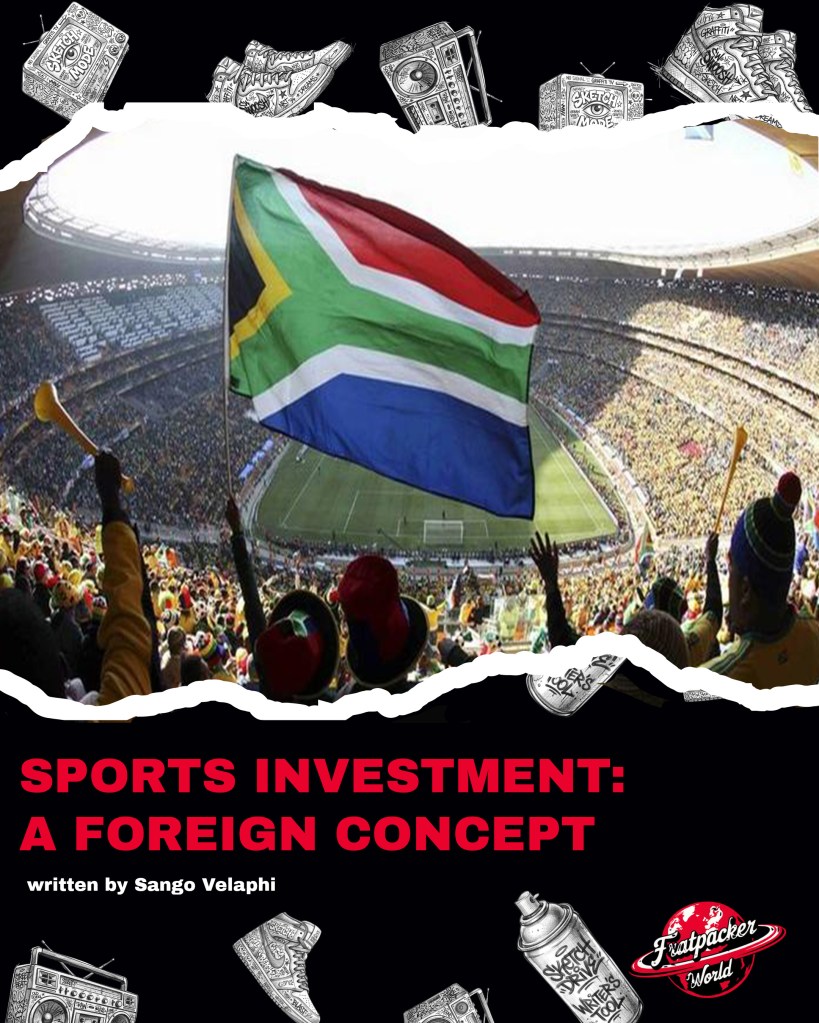
South Africa a country known for its diversity, culture, traditions, music, arts and fashion. One thing that doesn’t get highlighted as often besides when certain fields is our sporting pride. By any and every definition South Africa is a sporting nation and one of the biggest and best in the world. The only problem is that it feels like we don’t market and invest in ourselves like we should be and that’s from government to the fan.
I’ve felt this way for some time now but after attending the LIV GOLF and The Basketball African League (BAL) [the African division of the NBA], it’s clear to see that the money for investment is there and has always been there. It’s just that in those two instances it came in the form of entertainment and production instead of the development of the actual sport and athletes. Before I get further into these thoughts and observations, let us explore the reasons why South Africa is a sporting nation and all that has been happening in recent years.
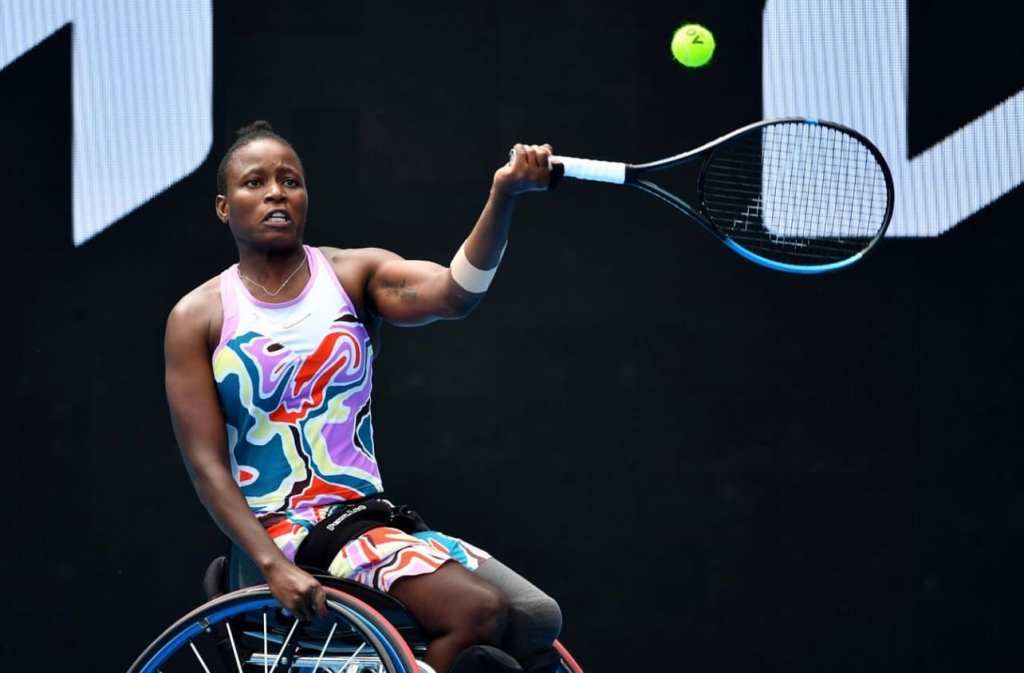
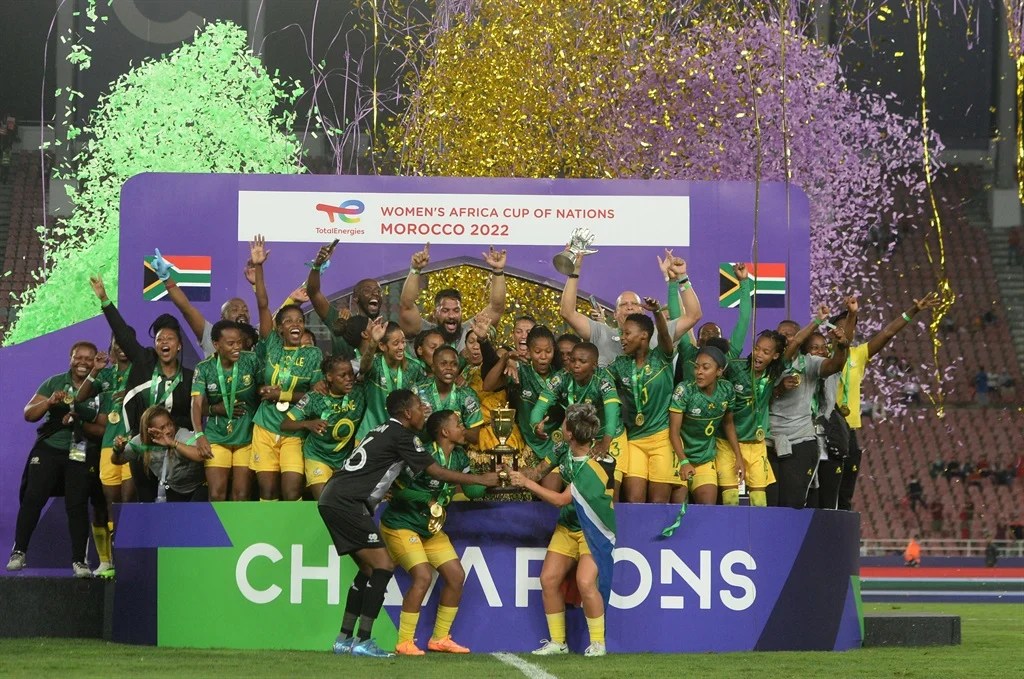
Since 2010 these are the historic sporting moments and events that have taken place in South Africa and our national teams. To start with South Africa was ranked as one of the top 10 most athletic countries in the world. We hosted the 2010 FIFA World Cup, 2013 CAF Africa Cup of Nations, 2023 Women’s T20 World Cup, 2023 Indoor Hockey World Cup, 2023 Table Tennis Championship, 2023 Netball World Cup, The South African Open, Banyana Banyana won the 2022 CAF Women’s Africa Cup of Nations, The Springbok won back-to-back Rugby World Cups (2019 and 2024), Proteas won 2025 ICC World Test Championship, Dricus “Stillknocks” du Plessis won the UFC Middleweight Title in 2024, Kgothatso Montjane won the Wimbeldon’s women’s double wheelchair title in 2024, South Africa has won 8 gold,12 silver and 5 bronze medals at the Olympic Games.
When you look at what we’ve done on a global level and then you look on a national level the way we take our high school sports and sports festival seriously. The number of professional leagues and sports we have in the country. The way we gather as a nation whenever a big rivalling match is on, whether it be football, rugby, cricket or any sport you can think of. We have some of the most vibrant, dedicated, enthusiastic and loudest sport fans in the world. You would think that with all the events, wins and fandom that it would feel like we are a country that promotes and invests in its sports but no, doesn’t feel like that at all.
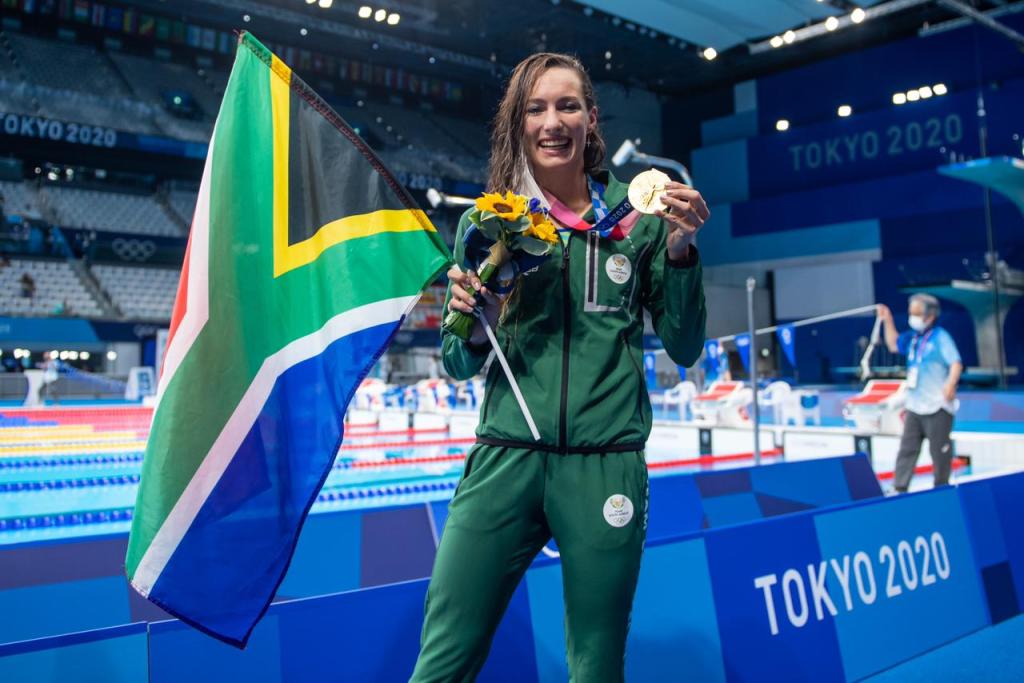
When I say investing in sports, I know the first thing that comes to mind is money, development, infrastructure and so on but the first thing that comes to my mind is the community and fan engagement. I say this because excluding the big three of sports (football, rugby and cricket) it feels like the fan involvement of every other sport is a niche culture or activity. I don’t say this because the fans aren’t doing enough but the rest of the public isn’t getting involved like we should. When Tatjana Smith won her gold medal in the 2024 Olympics and the whole country had found out she was self-funding herself and what the bonus was, there was a whole lot of uproar about us not investing in our sports and athletes. Seeing this uproar the first question that came to my mind was but are people actively going out looking to go watch local swim meets and competitions. How can you expect the government to invest in a sport that people seem to not watch or care about until it’s time to care about it? The same can be said for many other sports in South Africa. Are we taking the time to go and discover these fan bases and cultures? Listening to the fans who have started podcasts, journalism and documenting these different sporting competitions and events?
When it is said, “That the people shall govern.”, it means that we as the people must act and lead. We want government to invest in us and our sports, but we aren’t doing that ourselves at a ground level. Now part of that is due to poor marketing and that can be accounted to not having the money or investment from government. For example, all those competitions that I mentioned in the beginning that we’ve hosted as country, how many people knew about them? Where they advertised to the public? Was there a push for fans to watch and join? Were they being broadcast on tv or radio or even streamed? If I wasn’t into table tennis and research myself, I would have never known about the World Championships. There is a huge disconnect happening and we need to find it and fix it as best as we can. Sports aren’t just a fun time but can be an outlet for many and as well as career paths for others.
That is why it is sad to see that there are not as many after school programmes for all the diverse sports we have and making these programmes acceptable to all. We always here over the overseas stories of rags to riches using sports or see the Hollywood movies of how sports saved children from taking the wrong path in life by giving them discipline, a goal to achieve and support structure through the team and the friends they build from that. Sports is another medium to instil positive mindsets and habits into children’s lives. It starts by teaching them discipline through exercise, teaching them about nutrition and taking care of their bodies, helping build their mental health by learning to not just play with others but a supportive teammate, deal with failures in losses and how to handle success in victories, and these help to build their character as they grow. Coaches become mentors, friends and elders in their communities that the young can seek guidance and advice from.
These programmes can also expose children to a new world and reality that could never have imagined. We know that townships were designed to disadvantage Black and Coloured South Africans and not having amenities like swimming pools, courts, fields with grass (actually believe all greenery was removed to promote that there is nothing to grow from the township but that’s an article for another day) and such they are not given the privilege of options and variety. Creating programmes specifically for these communities would do amazing wonders introducing kids to the diversity we have in sports, swimming, volleyball, tennis, table tennis, hockey, basketball, cricket, rugby, athletics and so much more. These programmes can also help show that there are a wide variety of careers to be had in sport than just being a sportsperson. You introduce them to coaches, trainers, physiotherapists, sports psychologists, agents, managers, the groundskeepers etc.
This is when we need the government involvement and where we should be putting more pressure on them to actively help promote sports in South Africa. The government needs to dedicate themselves to building these programmes to show that there is a foundation for people to invest in. To help build and renovate communities but helping build and fix the infrastructures such as the courts and fields, and this can lead to helping create jobs in the community by recruiting people to be groundskeepers, managers, employees to help maintain and sustain these infrastructures and what would hopefully become clubs overtime.
The investment needs to come from our local government, and investment becomes even though there is foreign investment it doesn’t feel like they care about the growth of the actual people and communities. I take the BAL for example. It is a collaboration between The International Federation of Basketball (FIBA) and the North American National Basketball League (NBA), the first time the NBA has sponsored a league outside of North America. The league features 12 teams from 12 different African countries. On the surface it is a fantastic opportunity for many and has created jobs, investment and opportunities but when really examining into the structuring of the league it doesn’t seem that way. The league schedule is split into 2 conferences, the Kalahari and Sahara, with 6 team in each conference. The problem comes in the fact the games are played over 3 different weekends (the end months of March, April & May) and in 3 different countries (South Africa, Morocco & Rwanda).
This is problematic because there’s no consistency in the games, which mean teams can’t consistently train and since they are not playing games and getting paid it makes trying to find time to train difficult and everyone involve has to focus on jobs outside of the sport to maintain their livelihoods. The use of different countries makes it so that there is no infrastructure that can be built and consistently worked on, so it feels like a pop-up for the weekend and then gone again. All this means that teams and players don’t train as much, build chemistry together and the league feels like it is here today and gone tomorrow. Ideally if they could pick a country and do a deal where each country gets an invest of three years to host the league which runs over a period of 3-4 months with a development league like the G-League to fill in some gaps, it creates a more sustainable model for everyone involved, including the fans.
Obviously, I do understand there are deeper organizational dealings that are undisclosed to the public, but it would be amazing to see more from this investment into Africa. I just feel that in this country with the diverse people, culture, talent, athletes and sports we have that we have the potential to be a great and globally dominate sporting nation, creating legends and hall of famers across all sports. Sports can be more than just a game played with friend but a life changing medium that provides us with support and structure in our lives, creating unity and national pride.


Leave a Reply