WE ARE OVERWRITING HISTORY, NOT REWRITING IT
It’s 2026 and everything about music has changed. The way we listen and consume music. The way it’s sold to us. What we consider albums, eps and mixtapes has changed. The numbers and how we count these numbers or keep track f the charts. The invest and development into musicians and trying to make them the best the world has ever seen. Just so much has changed that it doesn’t feel like an evolution but more of a decay. That everything is just being rushed and processed that we are burning through everything and giving nothing a proper inspection and look at and asking the relevant questions. One of the biggest decays we have seen in music is the art of sampling.
Before we dive into the decay of sampling let’s rewind it all the way back to the beginning. Sampling as you can imagine means the same in music as it does in any other aspect. It’s about taking a small selection or part of a larger object, subject, matter, data or whatever metric you want to use. Now the difference is what we do with the sample in various aspects. In the case of science and mathematics, samples are usually used to help conclude on a hypothesis or theory, used to gain a general idea or understanding of a certain pattern or result and sometimes even using a sample to foresee what results are to come. In the aspect of food and beverages samples are used to give the consumer a taste of what is to come or to expect from a certain product or pairing or new dish that is being tried and evaluated. In music though it means something completely different. It’s a pillar of the culture called hip-hop. A concept that was pioneered by the people and helped the people express themselves when they didn’t have the tools nor the access to the information and knowledge on the tools available and how to use them. It’s an art.
Sampling in music started in the 1940s in France when musicians would record real-world sounds (trains, cars, animals) on to magnetic tape, that they would loop, splice and cut to make new compositions. As technology developed so did the machines used for sampling, such as synthesizers and the likes. Sampling really came into popularity in the 1970s when the hip-hop artist and culture got a hold of it. As much as hip-hop made sampling popular, sampling also became a foundation of hip-hop. Sampling in hip-hop started with the DJs because back in those days the DJs were usually producers and vice versa since they were the ones to usually have and be around all the recording and playing equipment, and technology.
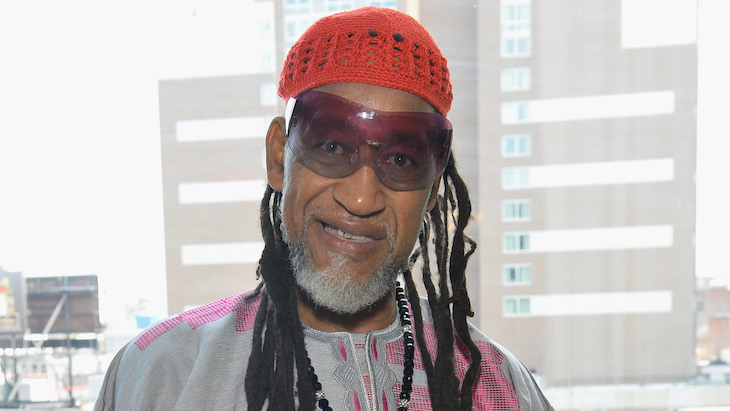
The growth of sampling in hip-hop comes in 3 stages and this is according to my understanding of the history and research of it. Stage 1 started with what the hip-hop culture knows as a legend, foundation and some even say the creator of the hip-hop music and culture. DJ Kool Herc was known for throwing these crazy underground parties where people would come break dance, graffiti, DJ and have people doing rhyme and poetry (before it was known as rap) over beats and instrumentals. In this DJ Kool Herc realised something with the turntables and vinyls to create a DJing hack. He would listen to the vinyl records and mark where the drums are or the breaks would come in and use that as a pointer to when he could scratch, transition or blend in a new record or the same record. This became a phenomenon in the hip-hop and DJing world. Stage 2 came in with Marley Marl when he used this breaks technique on actual old vinyl records. He would take the breaks from a record like a snare, hi-hat or drum and use it as a base to make a new record completely. Stage 3 took sampling to its ultimate form when Grandmaster Flash & Afrika Bambaataa would take what Marley Marl did but do it with multiple vinyl records and therefore getting a variety of different breaks and melodies as well create a whole new sound from various small pieces.
While sampling was on the rise and gaining popularity, the rules of copyright and the use of other people’s work was more aggressively enforced back in the day and with their being so few platforms and labels to get your music out on, it was easy for labels and corporates to track if their records from their artists were being used in such ways. This made it difficult for the hip-hop community with sampling. We must remember that back in these times black Americans were living in poverty and access to tools such as instruments, technology and studio were far and few so tricks and hacks like sampling gave them an even playing field to work with. In order to escape the eye of Johnny Law the producers and DJs found that if they take the smallest parts of the records, or just the small part that caught their ear, and they splice it, slow it down/speed it up and loop it that it would sound totally different from the original record to the point it was unrecognisable. This was to ensure that for anyone listen it would be hard to instantly point out the sample and that if it did have to go to court that judgement would see it new composition and hold no liking to the original at all.
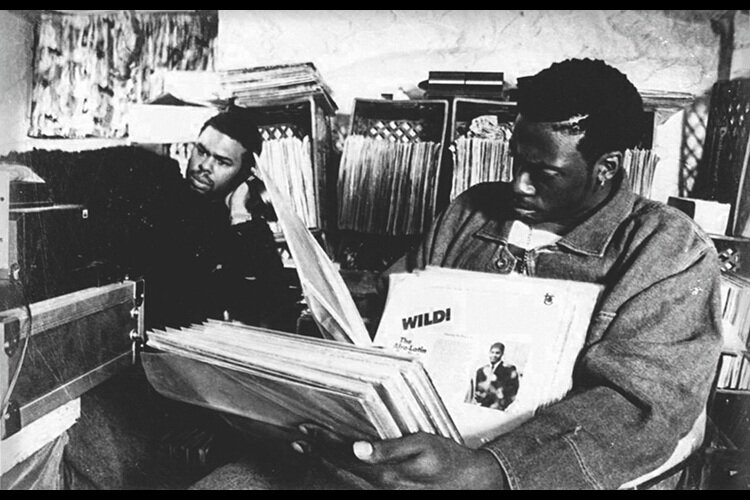
This art of taking 3% and adding the other 97% to make something different and unheard of was considered the art and backbone of sampling. This is also because hip-hop has always prided itself on being original from lyrics and writing to the dance moves used in a battle. The same applied with the music. The people and the culture wanted to hear something new and original. They never wanted to hear a rip-off version or what would be considered as being lazy and uncreative. This made DJs and producers alike want to go find vinyl records that no one else knew or heard of and if they had, then use the breaks and melodies that no one else would think to use. When they found these sections, they also wanted to make sure that they could play and manipulate the sample in such a way that no one would be able to tell the sample unless you studied the new composition and had an ear for the original record as well. This was the holy grail for producers and DJs. To have an untraceable, unrecognisable sample that everyone loved and danced to.
Now, sometimes we all want to have something that no one else has and sometimes something is so great that we all must have it. This applies to sampling as well. That’s why songs like The Isley Brother – Between the Sheets & James Brown – Funk Drummer, have been repeatedly sampled, multiple times, because they just that great.
I think I’ve touched on the history of sampling enough to talk about where it currently is. Firstly, we know Hip-Hop popularised sampling to the point that it was even considered to be a Hip-Hop pillar globally and a staple (in R&B as well), it has reached into genres like House, Techno, Amapiano and even Gqom. This just shows the power of creativity and innovation that sampling holds. The difference with today is that is has become so common because labels and artists started realising that clearing sampling rights allowed for extra income; either via a big one time payment or from getting a royalty split from the new composition being built off their sampled record, and therefore were more willing to sign off samples than sue for them. This made that fear of having to hide the samples disappear and allow producers to just full on being open that a certain song or record is being sampled more acceptable. This removed fear and culture has started slowly turning into producers now just basically remixing or flipping songs instead of what we once knew as sampling.
In modern times you are more likely to hear a sample from the first minute a song plays, instead of wondering, “What were they on when they made this?!”. It’s gotten so bad that people are even just sampling the lyrics of the songs and selling it back to us as a nostalgic feeling. This is happening in every genre and not just Hip-Hop. It’s like where sampling was once used to continue the lifeline and legacy of a song and record, it has now become an evil that overwrites the history and legacy of a song. It’s to the point now where sometimes I hear a new song and I’m like, “This isn’t new. I heard this 13 years ago when it first released.”. It’s been sad and disappointing to watch. The music industry, artists and fans should have called this all-out years ago and put a stop to it but now it’s like a cancer that continues to spread and has no plans of stopping. If this is a sample of what music is to sound like in the future, it’s a future I do not want to hear anytime soon but what about you? Is this a future you are happy and want to hear for yourself?


Leave a Reply