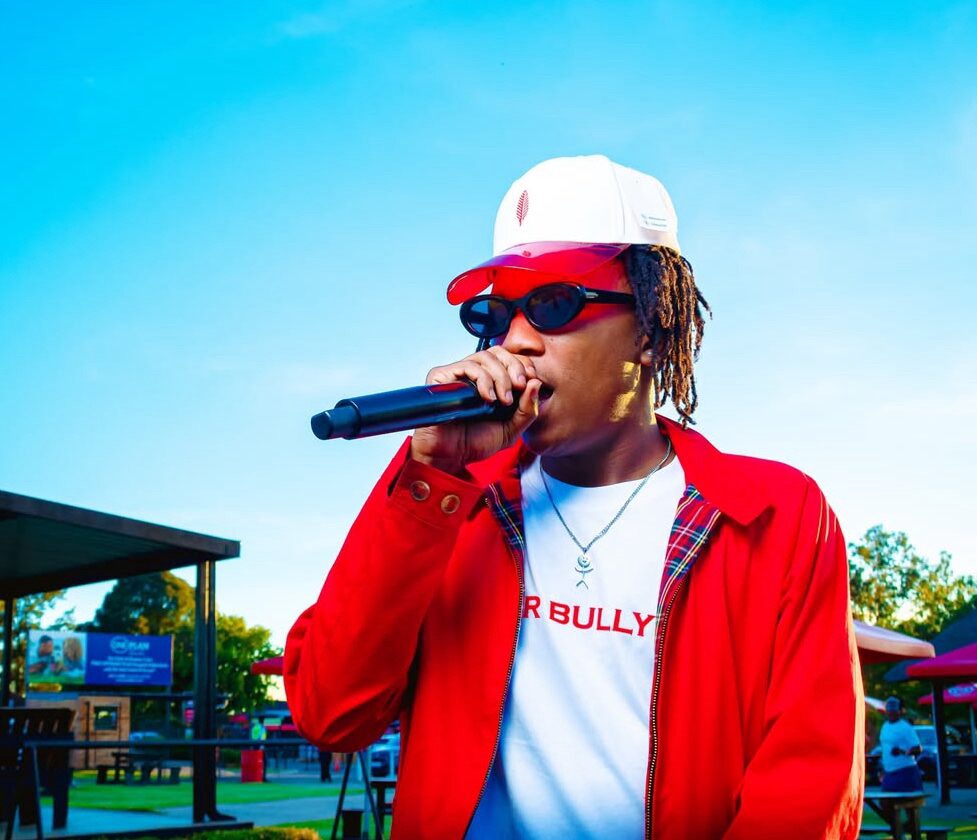
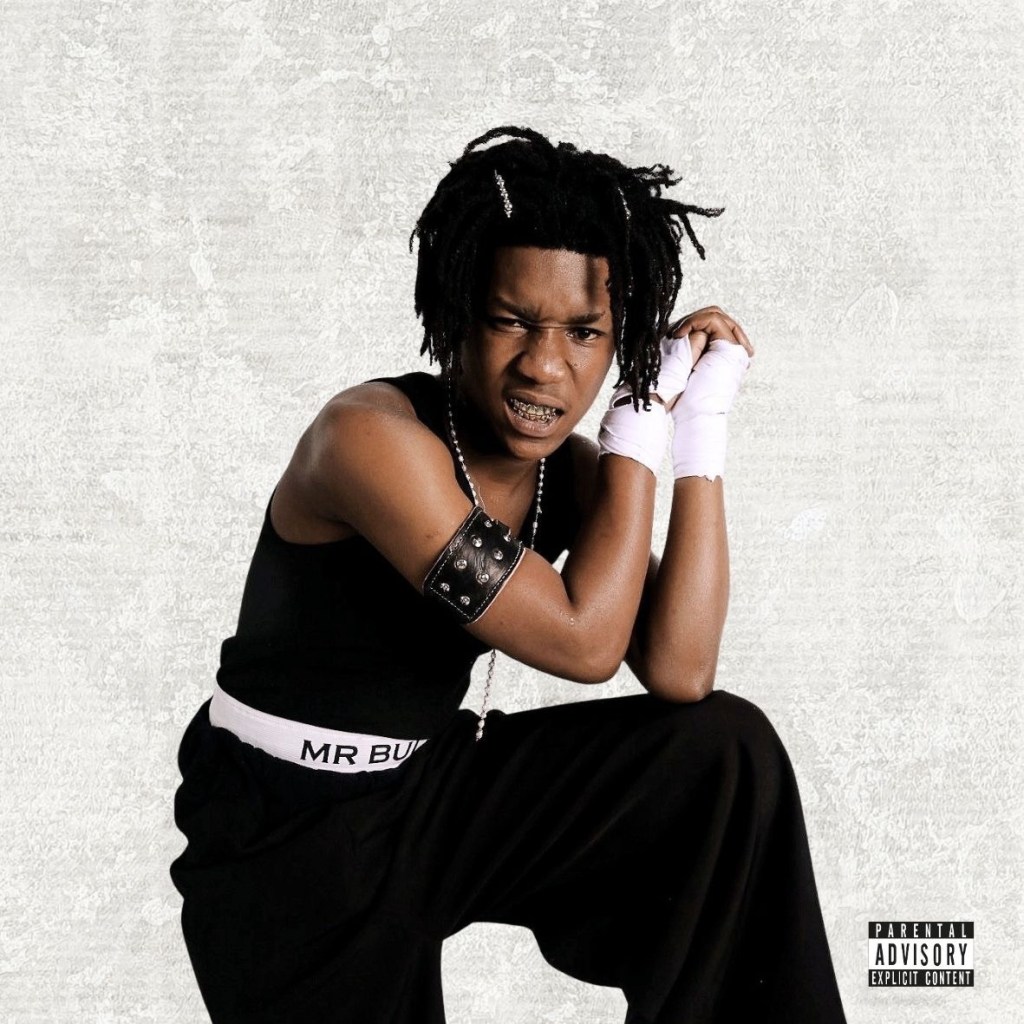
There’s a difference between making noise and commanding presence. With MR BULLY, LaCabra does the latter. This album is a bold statement of intent from an artist who understands exactly where he stands in the culture and where he’s headed.
LaCabra’s journey has always been rooted in movement. As part of the Qwellers, he helped shape a pocket of South African hip hop that feels hungry again. It was less polished, more grounded, more fun. But MR BULLY is where that energy becomes personal. This is him stepping into solo authority, sharpening his voice and fully owning his identity. The “bully” here isn’t about intimidation but more about presence, dominance, and self-belief. It’s about walking into spaces that once overlooked you and moving like you belong there.
That sense of evolution is felt deeply on “5AM in Swaziland”, one of the most striking moments on the project. The track leans into beautiful, layered harmonies that give it a reflective, almost cinematic feel. It’s softer in texture but heavy in meaning. LaCabra looks back at a time when people doubted him, when the vision wasn’t clear to others, and contrasts it with where he is now; literally in another country, eating caviar, living a life that once felt distant. The flex is calm, assured, and earned. The harmonies carry that emotion, making the song feel less like a victory lap and more like a quiet acknowledgment of how far he’s come.
Elsewhere, “Isbhamu” shifts the tone in a different direction. In a space where violence is often glorified, LaCabra uses the track to speak against gun culture and its impact on communities. Instead of celebrating it, he reflects on its consequences, adding a layer of responsibility to the album’s overall message. It reframes the “bully” persona showcasing his awareness of the realities around him and willing to address them.
There’s also a strong sense of self-recognition across the project, especially on “Shout Out to Me” with Nasty C. The track feels like a moment of pause where both artists acknowledge their journeys; the work, the hustle, the consistency it took to get to where they are. It’s not about external validation anymore; it’s about giving that credit to themselves. There’s something powerful in that, especially in an industry where progress often goes unnoticed until it becomes impossible to ignore.
“The Vision” with A-Reece is another standout that captures the album’s tone perfectly. The production is smooth and effortless, creating space for both artists to glide. LaCabra brings in those signature harmonies again, adding texture, while A-Reece delivers a smooth braggadocio controlled, confident, and precise verse. The accompanying video adds another layer, moving through a montage of performance moments that highlight growth, presence, and momentum. It doesn’t try too hard to tell a story; it simply shows the journey unfolding in real time.
Across the album, there’s a balance between ego and introspection. On the surface, MR BULLY is confident, sometimes confrontational, filled with that unmistakable “I’m him” energy. But underneath that is reflection, brotherhood, growth, and survival. By the time you sit with the project fully, it becomes clear that the term “bully” is armour, shaped by experience and used to navigate both the industry and life.
LaCabra released an album that positions him as a leader of note. This is about owning your space, moving with conviction, and understanding that real power isn’t just about being loud but about what you stand for, what you’ve overcome, and where you’re going. Right now, he’s bullying his way into a seat at the table.
 FRATPACKER WORLD.
Leave a comment