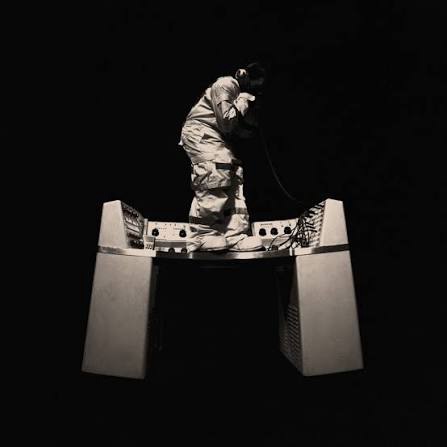
Don Toliver has always made music that feels like movement. Not the kind you sit with, but the kind that pulls you forward late nights, blurred lights, engines humming under city glow. On Octane, he leans fully into that instinct. This album prioritises atmosphere, velocity, and feeling. Octane is less about reflection and more about immersion, designed to be experienced in motion rather than dissected in silence.
The moment also marks a major milestone in his career, with Octane becoming Don Toliver’s first number one album a clear signal that his sound, once cult-adjacent, has fully crossed into global mainstream dominance without losing its edge.
From the opening moments, the project sounds engineered for speed. The production is glossy, expensive but aggressive, balancing trap foundations with futuristic synths and low-end that feels physical. Don Toliver’s voice remains the anchor stretched, warped, half-sung and half-slurred drifting through the mix like exhaust smoke after a hard pull. He understands exactly how to use his vocal tone as texture, letting melody carry emotion where lyrics stay deliberately minimal. It’s indulgent, hypnotic, and unapologetically vibe-led.
Throughout the album, Toliver stays in his comfort zone, but that’s not a weakness here as it evidently intentionally done; it’s a choice. Tracks like “ATM” and “Tiramisu” glide effortlessly between club energy and late-night luxury, while “Secondhand” featuring Rema introduces a softer, more melancholic edge without disrupting the album’s momentum. The features across Octane feel intentional rather than crowded, serving the mood instead of hijacking it. Everyone involved understands the sonic language of the project: keep it sleek, keep it moving, don’t interrupt the ride.
That said, Octane isn’t trying to be a confessional or a narrative-heavy body of work. At times, the themes blur together; wealth, speed, detachment, excess; but that repetition feels almost purposeful. This is lifestyle music. The kind of album that doesn’t ask you to overthink it, just to lock in and go. Don isn’t chasing reinvention here; he’s refining a lane that already fits him perfectly.
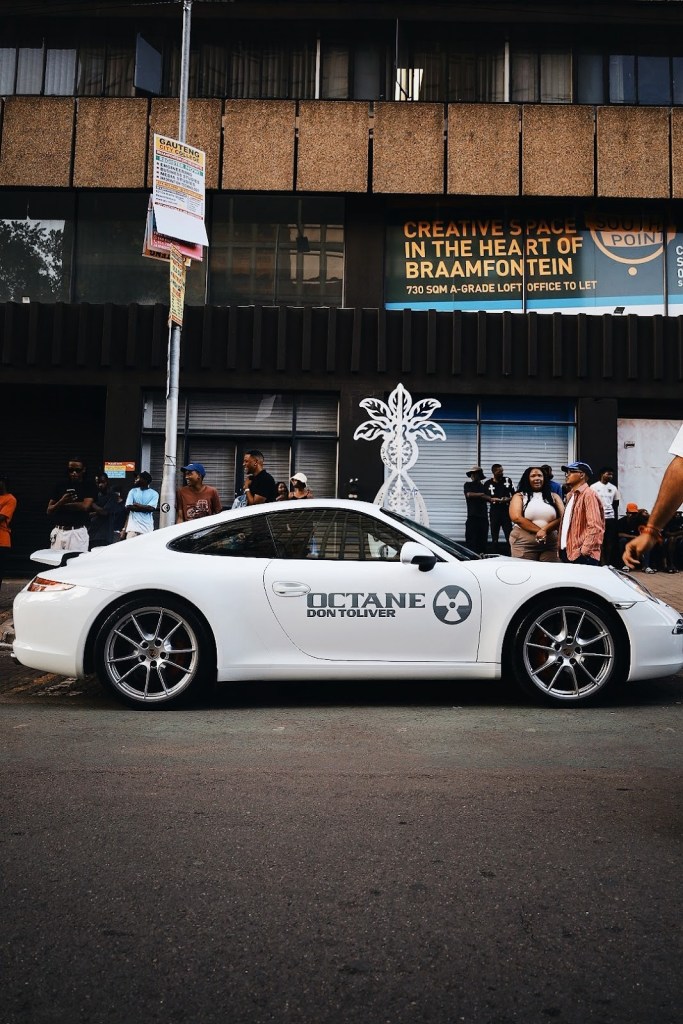
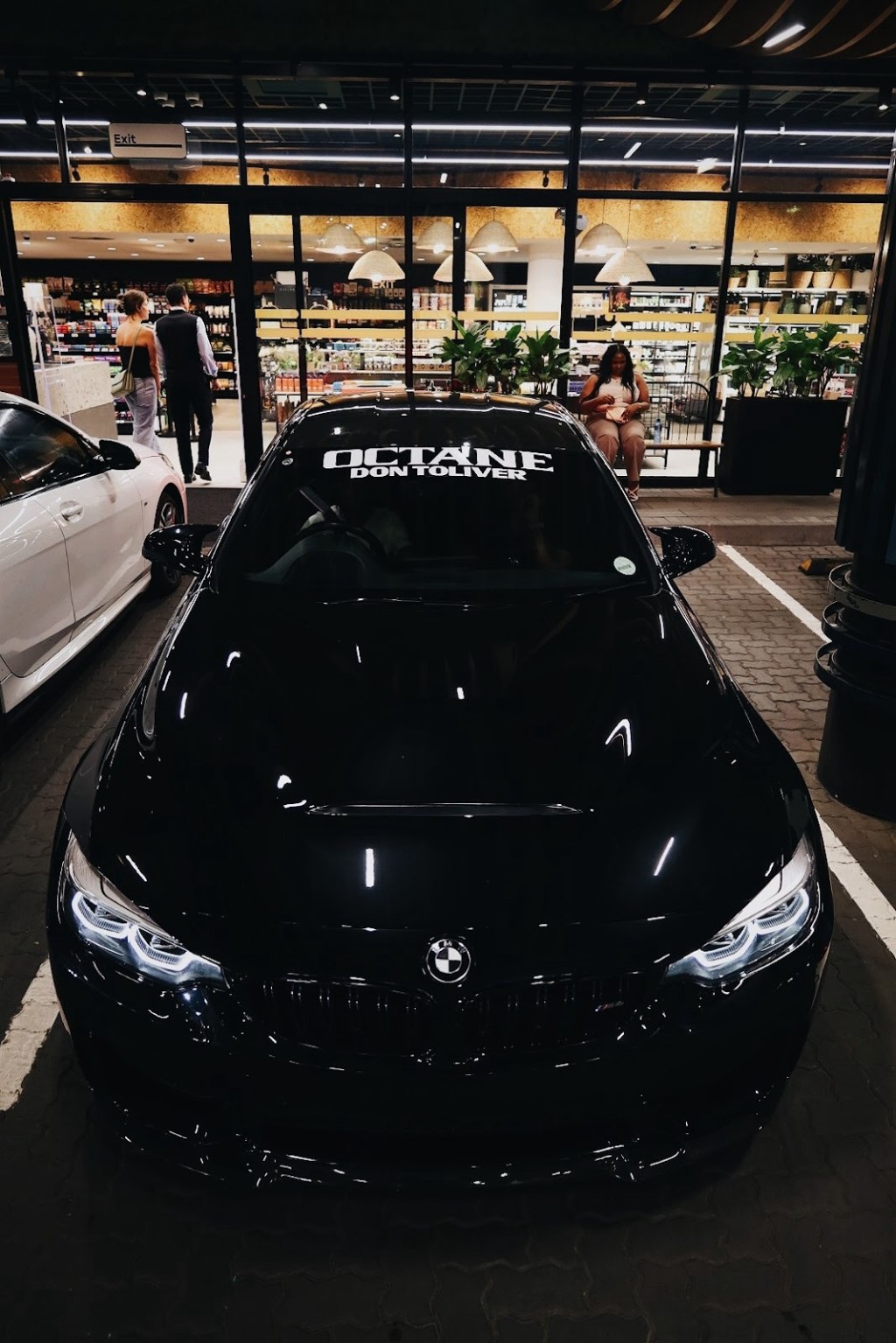
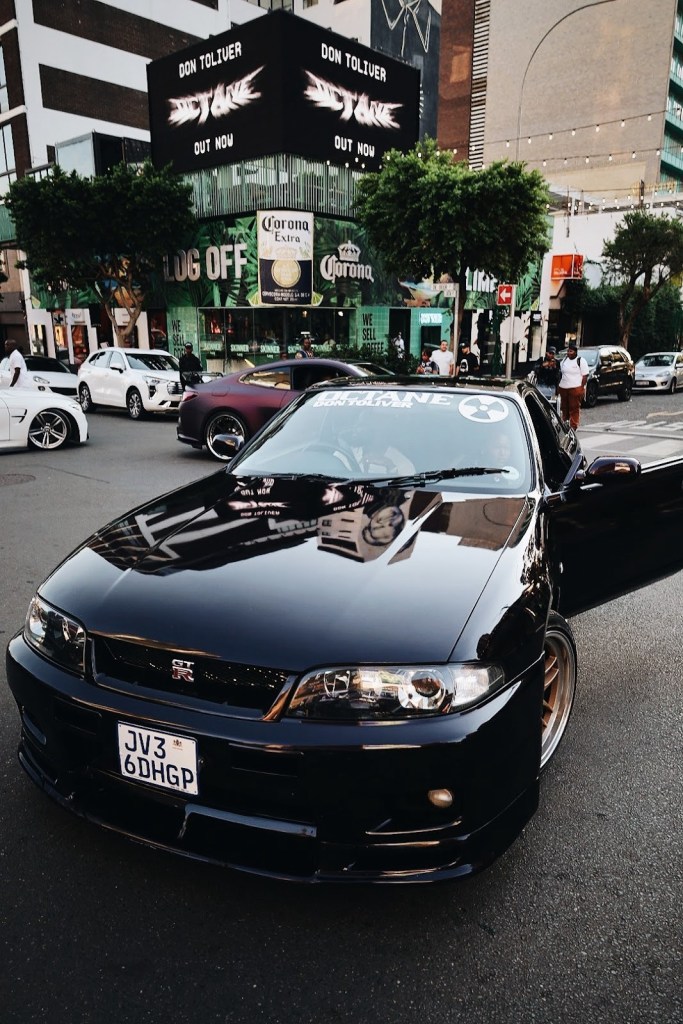
What made Octane hit even harder in South Africa was how the album moved beyond streaming platforms and into the real world. To celebrate the project reaching number one locally, Warner Music Africa turned Johannesburg into an extension of the album through a car meet activation that felt culturally fluent rather than imported. OCTANE-branded vehicles rolled through the city in convoy, transforming the album’s themes of speed and motion into something tangible and lived-in.
The activation began in Braamfontein, a nucleus of youth culture where students, skaters, creatives, and streetwear communities shape Johannesburg’s sound and aesthetic. From there, the convoy moved through Melville’s 7th Street, capturing street-style visuals against one of the city’s most recognisable backdrops, before concluding at Pantry a familiar meeting point for Johannesburg’s car scene. Along the route, the convoy touched key car culture hotspots, pulling in petrolheads, custom builds, and everyday fans who experienced the Octane energy up close.
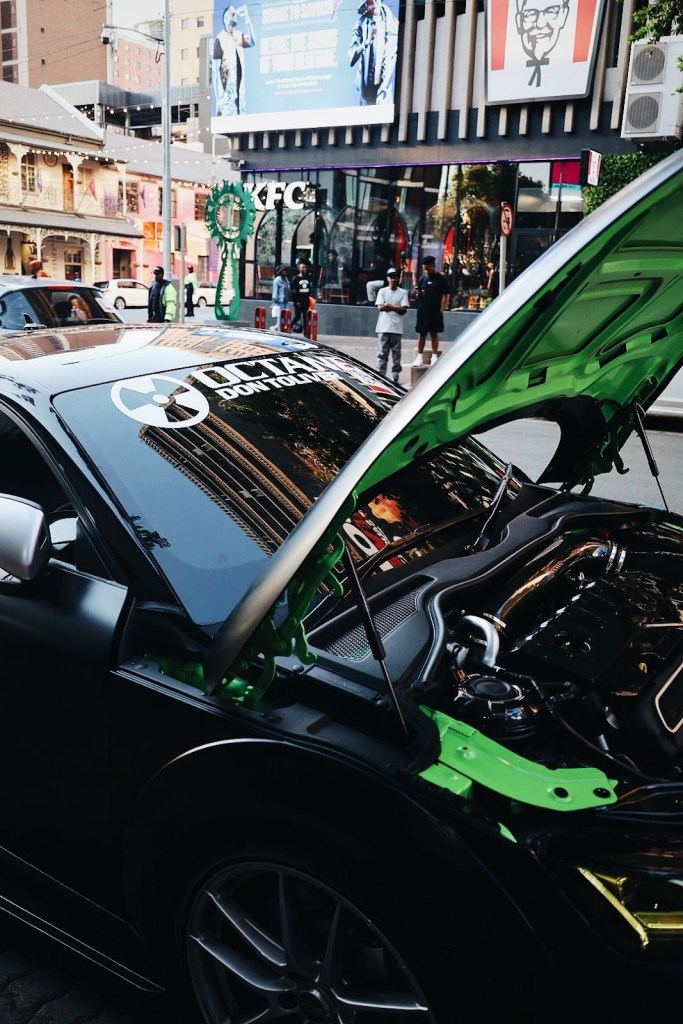
With engines roaring and Don Toliver’s music blasting through the streets, the activation blurred the line between album rollout and cultural moment. This was an acknowledgement of Johannesburg’s relationship with cars, sound, and movement as forms of expression. In that moment, the city became part of the Octane Donny Womack world.
Taken as a whole, Octane feels exactly like what it sets out to be. It’s smooth, fast, immersive, and confident in its identity. Paired with a rollout that respected local culture and translated the album’s energy into real-life experience, Don Toliver’s South African moment felt natural and earned. This is music for the night drive, for the long road, for the city when it’s wide awake. No brakes, just momentum.
 FRATPACKER WORLD.
Leave a comment