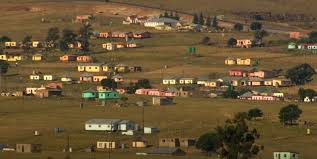
Growing up as a kid every holiday we would drive back home to both my father’s and mother’s homes in Mpunzana (a village deep within Mthatha) and Queenstown respectively, both based in the Eastern Cape, and besides the 8-10 hour drive I used to dread coming back home for several reasons including; forfeiting the pleasures of privileges of staying in the suburbs but more importantly as a kid I always felt left out or didn’t fit in because my Xhosa before in tongue and ear wasn’t strong and I was teased about it.
Now being the kid I was I fought back by removing myself from being connected to the people but as I grew older I started to realise that they too were new to a lot of things as well and there was a common place of misunderstanding and being someone who always took pride in their culture or heritage I soon came it to just forgive them but forgive myself for feeling inferior and not good enough and that bought me closer to understand that it really does take a village and the understanding of home and the privilege of having a homeland and that’s what we’ll be diving into in this article.
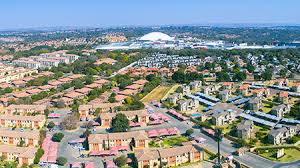
When they say, “It takes a village to raise a child.”, it’s to emphasise the impact of having a community and not only how the environment around you affects your growth but as well as the people who co-inhabit with you. It’s also important to note that in order to be raised by the village you have to be part of the village and a willing, participating villager who also wants to help better and add value to the village that is meant to support you and grow you because as Isaac Newton stated, “Everything has an equal or opposite reaction.”, basically you receive what you reciprocate and vice versa. Being raised by a village means being part of something bigger than yourself and sharing in everything with everyone being good or bad. In Johannesburg we don’t even know or see our neighbours about 90% of the time where back home ezlaleni, everyone knows each other from the family clan names to the children, cousins and everyone related. You’d think there’s an unspoken of Yellow Pages everyone is issued with. For the 2000s, Yellow Pages is a phone directory where every landline was registered, and you could literally find someone’s number if you had their name and surname or registered business name. Yes, I’m that old.
Anyways, back to my point, which is that the people in the villages are more connected not just with the land and animals but with the humans around them. You don’t just know your neighbour but their parents, grandparents, kids, grandkids, the kids’ teachers, the extended family, the dog, the neighbour 10 houses down, the drivers, store owners, basically every human being residing within that village and whoever they bring inside the village with them. It’s a great reminder that you are not alone and a beautiful experience to not just witness but live when everyone comes together to gather in celebration of your achievements or whether to be your comfort in times of sorrow. If your child has eaten, then it’s almost as if your own child hasn’t eaten and that’s the unwritten law of the villages.
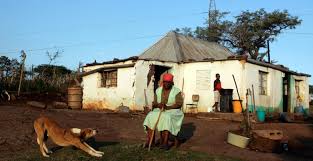
I’ve heard a lot of people in the city claiming that the spirit of Ubuntu is dead but that’s not the case and maybe it because it lives in places where we still are connected to our ancestors and living in the ways and principles of what we as a people used to hold dear and cherish. Whereas living in the city things become more westernised because of the way we are living and that also changes our mentality and perspective on things because in the city we all have the fear that someone is trying to gain ahead of us by any means necessary so it’s better to not greet and keep to yourself. It’s better to not be a part of the village but rather live adjacent to the village. This is what got me thinking that maybe being home is more about having a shift in mindset more so than a bragging right. It allows you to connect with people back at a human level because you all are living within each other, trying to survive off the land. A literal sense of touching grass and breathing fresh air. Waking up early to garden, herd, build, wash and just do the necessities of being alive with a group of people that all have the same goal and making space for each other, it brings a refreshing since of the human spirit back into one’s reality.
Now, as great as it sounds, I don’t want to ignore the negative and uglies that are riddled within the villages as well. When I see, people are working to survive in most cases that is genuinely all that they are trying to do. Survive. In what the villages have in ubuntu and the human experience, they lack severely in the material and monetary aspect. You see it everyday in the lack of necessities that plague the villages. The lack of clean running water and pump systems with people still living off Jojo tanks and having to use water in fear of it running out and hoping for rainy days to help keep it at liveable usage. In some areas people still must go and fetch water from the rivers and filter it before being able to drink or use for cooking and washing.
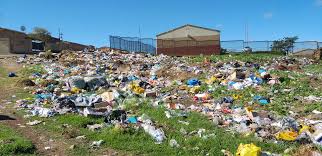
You see it in the lack of clothing for both children and adults. With little children wearing hand-me-downs that are sometimes been passed down by 4 people prior and even then, sometimes they are either too big or too small but at least it’s better than nothing. You see adults repeating the same clothes because that’s all they have and the other clothes they have are saved for days like umgidi or going to town for school or looking for work. You see people going without socks because again save them for better days or because they already have holes in them and fear of damaging them further. Those with shoes are either wearing shoes that have not just gone past their life but past their soles. The things we take for granted such as snacks and treats are bought on special occasions and seen more of a privilege than a pleasure. The fact that there are no bin or trash sites in the villages and the closest dumpsite is in town, which is 40 mins away, so litter is scattered around the land and animals because even if thrown away properly who will come to collect and transport the trash away
I look at it and sometimes and it confuses me and pains me so much because in the same community that is so tightly bound together it feels as though the modern world has disowned them and casted them away. Where people want to be seen as useful, intelligent and apply themselves and skills to make a living aren’t even given the infrastructure let alone the opportunity to do so. People who could make a living off farming, herd, garden, maintenance, providing services like trash collection and more are just left in the dust, left in a forgotten world that only recognises their voices when it’s time for elections. Kids are going to schools with no classrooms and books. You start to see why one can lose hope and turn to the temptations of alcohol and sex to find pleasure somewhere amongst the pain they live with every day.
This is why it’s important to go home because you realise that maybe the world and society isn’t home, we are merely just visitors living in the house that the white man has build and kept our family out of. To get back in touch with the people of this land and hear their struggles, challenges and issues besides just what we see on TV & social media. To find your heart and reconnect with humanity because home is where the heart is and to be housed is a human right. Home is not just about the place itself but a state of mind of who we once were and the principles that make our foundation. Take care of your heart, take care of home.
 FRATPACKER WORLD.
Leave a comment