THE CURSE & BLESSING OF SOUTH AFRICA:
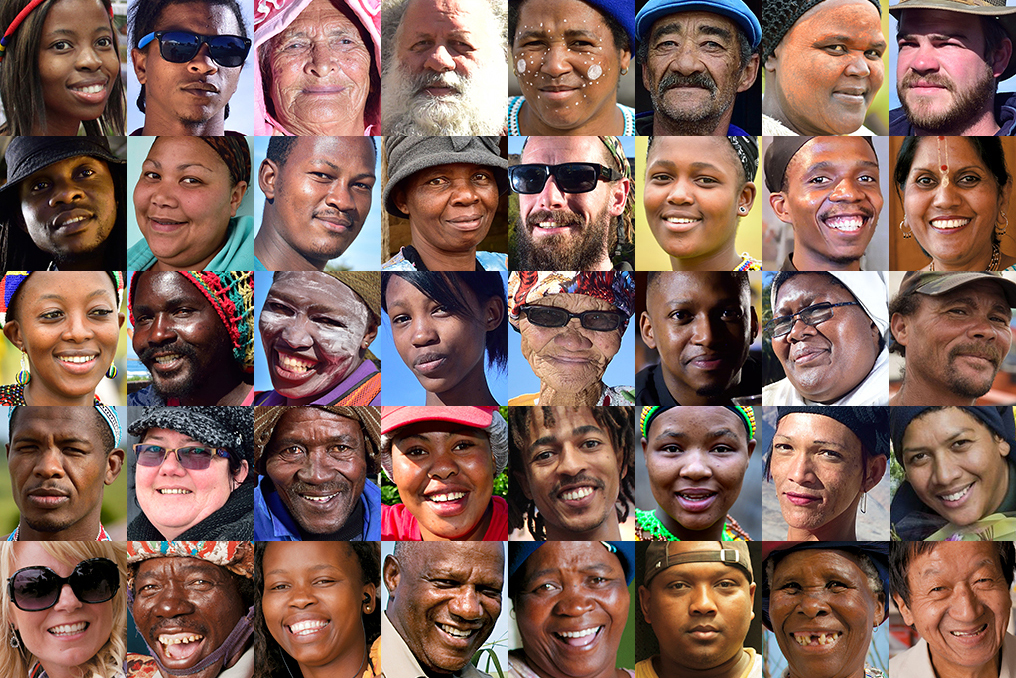
It’s October 2025 as I write this and it’s that time of year that three words get to steal the spotlight and shine to the fullest. Those three words being year-end fatigue. Now the reason why I mention year-end fatigue is because 10 years ago around this time we saw what was known as the ‘Fees Must Fall’ protests and strikes that sent thousands of students out on to the streets fighting the government for reduced university fees and being a student at the time and involved in the movement it made me think that was one of the last times a group of South Africans all came together no matter their background but also reminder of how many South Africans thought it wasn’t a worthy cause or energy that should have been redirected to different causes and led me to a question I’ve always had which is; if South Africa is a rainbow nation and there are 7 colours, which piece do we eat first off the plate and what do we leave for last?
I’ll start at community. Now they would tell you that the word community originates from Latin and so forth, but I would imagine that it comes from having a COMMON goal that UNITES us and therefore making us a COMMUNITY. Having a shared goal or vision really does make it easier for a group of people to move and stick together because even if we may have different approaches, reasoning or strategy on how things should be done to achieve this goal, the fact we all have the same goal allows for us to listen to one another, trust in one another and come together to take from each other to build our ideal world. When we are not united in a common goal it creates a separation of state within that specific community or group of people. Allowing for miscommunication, disconnection, lack of support, lack of respect and internal fighting so instead of fighting for a cause or goal, you end up fighting each other.
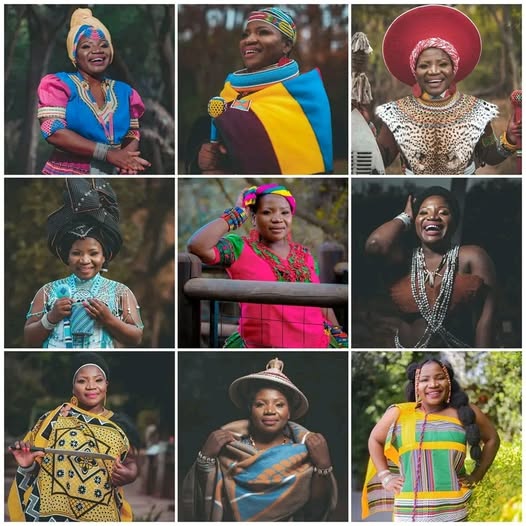
When we look at our beautiful country of South Africa, we do have a strong community in which we all believe that everyone has a voice and space within this country to be themselves. We have a culture of not just tolerance but acceptance as well. Having different cultural ethnicities like Xhosa, Zulu, Tswana, Sotho, Venda, Tsonga, Coloured, Afrikaans and more. Each having their own unique practices, foods and beverages, music and languages. As a country we’ve found a way to create space for all of us to integrate with each other and share these beliefs, traditions and various aspects of the different cultures with each other and create new experiences and memories. It’s more common to be multilingual in South Africa just because that’s how much we believe in being one as a nation and people and trying to make space for everyone.
Now as much as we are united now, we can’t not forget about our segregated and horrific history. With Jan Van Reibeeck landing on the shores of Cape Town in 1652 with the mission of establishing a permanent settlement and fort for the Dutch East India Company. This started a continuous terror of colonisation by foreigners placed upon the natives and black people of South Africa with the British following and then trying to implement their own system and fighting with the Dutch, all while both trying to take over the land from the indigenous people of South Africa. This back and forth kept happening while they were fighting for political and governmental control of South Africa. In 1948 the National Party were the ruling party and introduced a new system of segregation known as Apartheid, that had placed inhumane laws and rules that were meant to disempower, belittle and take advantage of black people and people of colour until 1994, when due to the sacrifices and courage of our legendary freedom fighters and parties fought against this tyranny and gained us our freedom and independence from the racists state and government.
The only way we as a country were able to defeat and rise above Apartheid was that we had to come together as a people for one goal, one mission as one mind, body and collective. This is when we saw true unity as a country and what built us to become a nation that can be united even through our vast diversity. All cultures and groups had to come together to overthrow and bring down the government and systems of Apartheid. Now no one wants to be united because of tyranny rule but having a common enemy does provide as a foundation to unite people in having a common cause to fight for.
Looking at our past and where we are today, it sometimes feels like maybe that was truly the last time we were united as a country and that’s where the cure of being so diverse comes in. As much as we boast in pride about our diversity it can also be our flaw because with having so many different voices and every voice needing to be heard, the question then becomes, “Are we speaking the same language?”, not literally but figuratively. Do we all have the same goal? Even within our own history as indigenous people if we really exam the story of Shaka Zulu, was he a hero or a villain? To the Zulu culture and nation, he can be seen as a great king who was trying to create unity and one nation by bringing everyone into the Zulu nation. To the other cultures in South Africa, it feels more like he was a villain trying to colonise other cultures only to expand his power and reign over the Zulul nation.
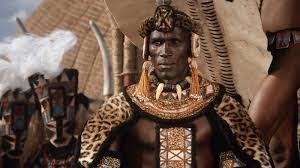
In trying to create one nation and common goal Shaka was extinguishing and killing the voices and heritage of the different cultures and people. His intention may have been pure, but the execution was far from it. I look at this past because it makes me question, “How do we unite such a diverse country and people?”. Throughout history in the world, we have seen time and time again that strength in numbers is a real thing and that the more people can come together for the same desired outcome the better the chance you have of fighting and winning to see that result happen. How do you do that in a country that has various groups of cultures and ethnicities?
Now, let’s look at it in modern terms and besides that culture and ethnicities we are now dealing with political, religious, social, mental, gender, sexual, financial, emotional, schooling, living and so many more beliefs and opinions that we face every day and must confront. We must first figure out individually what we believe on each of these topics and try figure out what they mean for us before even being able to then try and find the community of people who have the same views as you. It’s even more difficult now with the capitalist systems that we live in where we see huge gaps in terms of those with wealth financially and those who are poverty-stricken.
I look at this poverty gap and how just because of it, it creates a barrier to unite for a common cause. As someone who has been privileged to grow-up in a middle-class lifestyle but still be in-touch with my parents’ roots; having to visit my dad’s village [Mpunzana found in Mthatha in the Eastern Cape] and having to live and witness the lifestyle they were living, I’ve seen the vast difference between the two lifestyles. You don’t even have to go all the way to the villages to experience this when we have townships like Alexandra, Soweto, Khayalitsha, Guglethu, Umlazi, Kwamashu and many more scattered through-out the country that are still poverty-stricken and disempowered because of Apartheid. You go to these areas, and you see that the people in those communities are focused on surviving. Trying to figure out where their next meal is coming from, having a roof to sleep under, clothes to wear, water to drink and wash with, just the necessity to live and feel like an actual human-being. Then I live in my reality of middle class where we have internet and social media and people are fighting for things such as sexism, gender politics, politics, public figures, and many topics that can be labelled as first world products.
When I look at these two different lifestyles and analyse them, I always question, “Do you think the person having to wake-up at 3am to go fetch water from the river that they still need to filter so that it can be safe for washing and consumption. You think that person is worried about Twitter topics such as pro-noun identification?”.
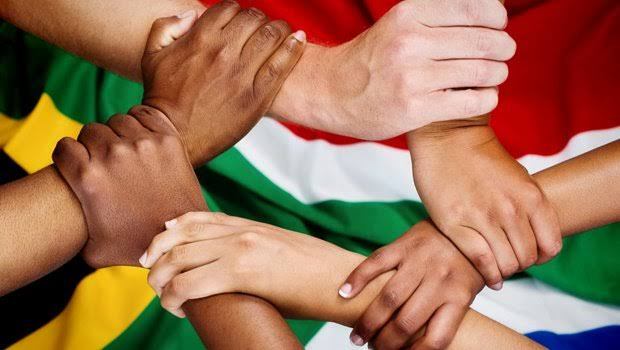
I believe it’s important to ask ourselves these questions because we must try understanding each other and the challenges we are facing to try and get to a common point. Right, now we are in a country and state where we are all divided by the issues we face, and we all want to have a voice and be heard but not only that have our voices prioritised. The sad truth is that for us to come to a common goal that some of us are going to have to put our issues and cries on the back burner and put the others above so that we can have a focused and united front. The main issue here is that how do we agree upon what should be prioritised and ensure that is to the benefit of the majority (75%+) of the country and people. Where, when and how do we have and hold this conversation with and within each other without causing offence and conflicts that separates us more?
This article wasn’t written having answers in mind and a way forward but to bring the conversation to the table so that we can dissect and discuss it amongst each other instead of ignoring the elephant in the room that creates a quiet hostility and divide amongst us as people. Yes, we are united in acceptance and diversity as a people, but that same diversity makes it harder for us to come together for a common goal, vision and fight. I pray we find the answers and find ourselves before we lose ourselves and the battle.
 FRATPACKER WORLD.
Leave a comment