KEEPING TRADITION ALIVE
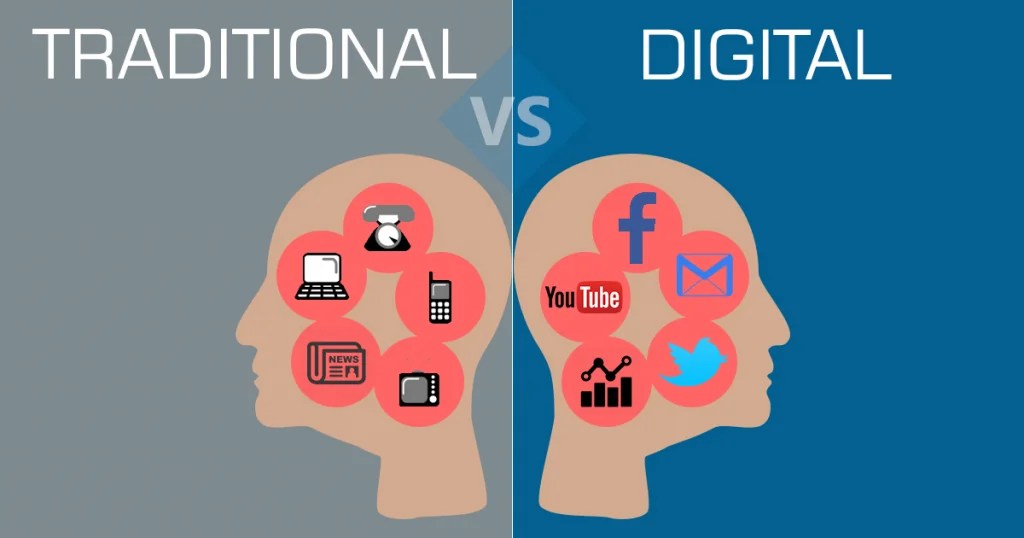
Listen, watch, and buy more data so you can enjoy & stream. Weird intro but it makes sense when you sing it to the tune of the ‘Row Your Boat’ nursery rhyme but as a millennial it speaks perfectly to the transition of not just our life but the world as we know it. We grew up on analogue living and we saw the evolution technology that took us into the digital world.
We went from playing outdoors with our friends, to meeting up at the arcade to play games, to meeting up at each other’s house to play video games, to playing video games online with each other, to now playing open world games with complete strangers over the internet. VHS to Netflix, Cassettes to Apple Music. We experienced evolution but now in 2025 we’re seeing the youth and society making callbacks to the times through art, fashion and culture yet not the same mental and analogue approach to the mindset and marketing of analogue art and media.
I know it sounds like I’m just babbling on but to make it simple in our country of South Africa as much as we have access to internet, we’re still very much an analogue ran country. I’m not just saying and making this out of nowhere or from just solely my opinion, but I’ve done the research, studied the numbers and hit the streets just to come to this conclusion and theory of mine.
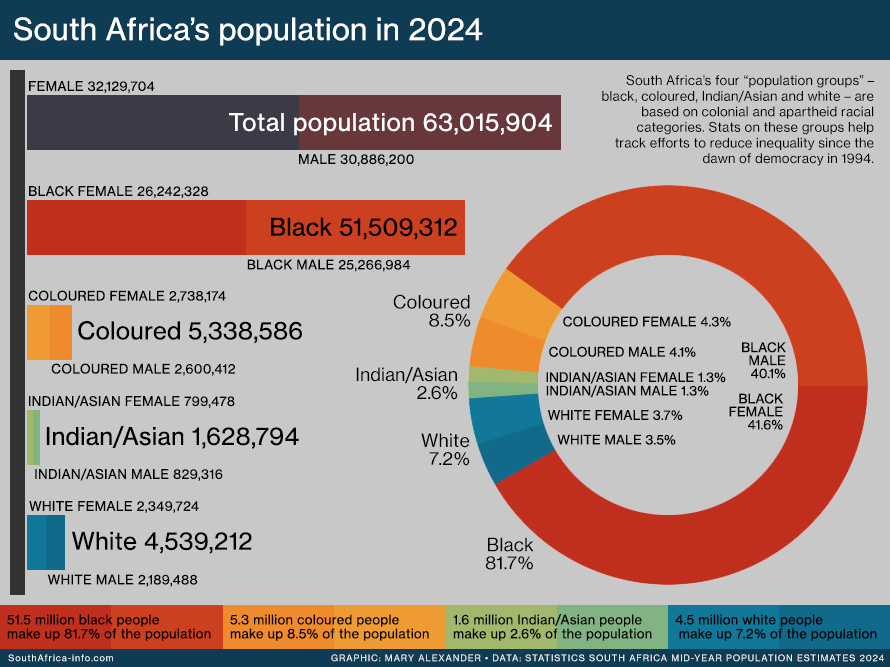
Let’s start with the population of South Africa sitting at 63.21 million where black people make 81%, coloured people 8.5%, white people 7.2% and Indian/Asian 2.6% but if we look at how the money is spread between the races is quite shocking…well not really because of Apartheid. I guess it’s more shocking how well and effective the racism and discrimination seen in Apartheid worked and is carrying on over into generations still but let’s look at the numbers.
According to Stats SA on average white households earn the most with an income of R676375 per annum. Followed by Indian/Asian household with R417 431, Coloured with R260816 and lastly Black households with R143 632. Now the stats were released on 28 January 2025, but the research was done between November 2022 and November 2025.
From the numbers you’ll see that the race with the highest % of population in the population has the least amount of money and the race with the lowest % of population has the most amount of money. This is very important when having the conversation of analogue vs digital in South Africa because it shows the majority of the population may not have the disposable income or spending power to afford the luxuries of streaming and social media that comes with internet access but just to be able to do the basics and necessities such as send emails, attend meetings, WhatsApp, use certain apps for work and etc.
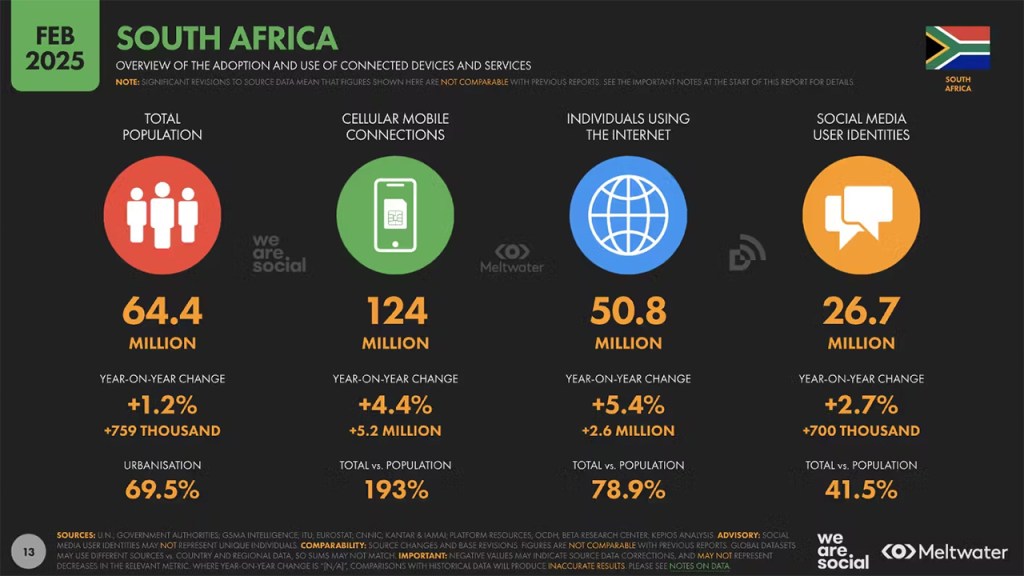
This brings me to look at how we use the internet as a country and people. We’ll start off with the most common use of the internet, which is social media with everyone trying to stay connected and in contact with each other. In 2024 it was found that 78.9% (50.8 million) of South Africans had access to the internet, a big improvement but how are we using it? Well, 41.9 million) of South Africans are social media users with Facebook leading usage with 26.7 million users, we can accredit this to initiatives as Facebook Lite that helps users save data. Next comes YouTube with 25.3 million users, followed by TikTok (25.3 million users, also had a lite version), LinkedIn (15 million), Instagram (7.4 million) & X (3.15 million). Being a young man, these stats are kind of crazy because when you go online, they way people talk and address each other you’d swear that it is the Union Buildings where every citizen gathers for the SONA.
The problem is that because social media has connected us with the world and even just people in different provinces or cities it feels like the whole world is logged in but it’s not and even with being logged in, it’s not that all active users log in at the same time. You might find dips where it’s only hundreds of thousands of people logged in at once. I look at these numbers and start thinking that the main people on these platforms especially the higher data consuming ones must be those privileged enough to afford the luxuries of it and that leads to are we really speak to the people of South Africa or just the people who can afford to listen?
Now let’s compare this to radio where 75% of South Africans aged 15 and above tune into radio weekly. That’s 47 250 000 million people…WEEKLY. This is important because in the age of streaming Spotify is the most popular used Digital Streaming Platform (DSP) in South Africa and yet only boasts a 1 million and some change users. It is followed by YouTube Music and then Apple Music. This just shows you the power radio has in South Africa. I do believe we get blinded by the global popularity and influence of streaming, but we must focus on where our feet are and not where our head is. We have to focus on taking steps that will advance us in our own environment and the reality of it instead of focusing on what we dream it could be and where we think it is.
Looking at all these numbers and statistics it’s clear to me that in South Africa analogue communications and interactions should be a priority over digital engagement, especially as an artist. Now, yes, radio is difficult to get on, we all know Payola and knowing the right people play a big role in it but with that said it’s also important artists are registered with SAMRO & RiSA so that your songs meet all requirements and can be played on radio.
Traditional communications are not just limited to the radio though and here are some thoughts and ideas I’ve shared with a few artists in conversation and think would make a difference.

Firstly, one goes outside and touches the people. As an artist your job doesn’t just end at creating, you must go into the outside world where you’ll find the communities that can help you build and grow. If you’re a vocalist go to other shows and listening sessions to meet your peers, industry figures and fans. Talk to them, make connections and create bonds because word of mouth is great but people being able to hear the words come from your mouth directly elevates the impact of it. Go to other artists events and show support, show them you’re in the scene and watching so that they can see you and start watching you as well cause you can like an Instagram post, but you can’t talk to it…well you can but then maybe I’m not the therapist you should be talking to. This also includes going to events early so you can meet the promoters before they get busy and have a discussion with them.
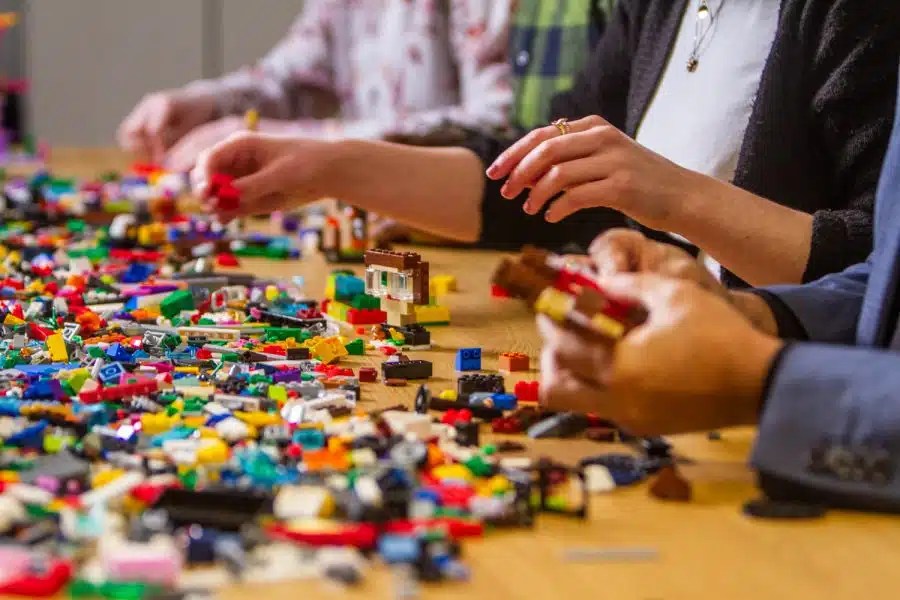
Secondly, build something real. I say this as a guide to all artists. One of the best things you can do is build something real. Instead of going out to ask people to put you on their platforms build your own. Host your own shows and book yourself. Is it expensive? Yes. Will you see a profit the first few times? No. Will you have a space where you can practice and improve your marketing skills? Will you have a space where people can come see and interact with you in real time? Will you be able to collect data on your community to better sell yourself to brands? Will you have a portfolio that shows promoters and booking agents that you can pull a crowd and have actual impact on people to make them want to engage and participate in your art? Will you have an actual footprint that people can follow? Yes, and that makes up for all the challenges that come with building something real. It becomes a home for your art to live in the real world.

Thirdly & lastly, to be a household name you must be in the household. You can’t expect to become a known face and name in people’s homes if you’re not in their homes consistently, that’s why when he was alive, you’d see AKA performing every and anywhere because he knew that the people of Mzansi aren’t all connected on the internet and there’s a market wanting to be fed. It might not be as easy nowadays with the recession, the economy and that making it difficult to find venues to host you but there are many other ways to do it. One way that I always think about is if artists would print out A3-A1 sized posters of themselves or album art, that they can sign and hand-out to fans at shows and once it becomes known you’re doing this, you can start selling the posters to fans who can’t make your show. The same applies to making T-shirts specifically for a show so that at the end of the night a fan can take a piece of you home with them. CDs may be obsolete, but USBs aren’t and there are so many ways to utilize a USB. You could fill a USB with exclusive content from making your project, unreleased songs and videos, documentaries and some exclusives that you protect-lock and can sell to your fans or even just a USB with your music that you give to DJs for them to play at their sets.
What I’m trying to illustrate is that there are many ways in which you can use the digital influence to create ana analogue experience for your fans and especially the people of South Africa where large communities are still disadvantaged and disenfranchised, and they need to be catered for. There are wide open gaps in the market for the new generation of artists to attack and build a household name for themselves.
Before I end this, I know probably a lot of people are thinking about the profits or return on interest and I’m here to let everyone know that marketing is an expense and always will be but like any expense it’s for the improvement of your brand and business. Invest in making yourself available in households and you are sure to become a household name.
 FRATPACKER WORLD.
Leave a comment