In creative circles, there’s a growing tension: the quiet clash between creation and curation. Who really moves the culture forward, the people who make the work, or the ones who frame it?
Once, creation was king. You painted the picture. Wrote the lyrics. Shot the campaign. But now, taste is its own power. Curation is a currency, whole careers are built off aesthetic decisions, not original output. DJs, gallery owners, playlist editors, stylists, influencers, creative directors, many of them don’t create from scratch. But they make things happen, because these days, you don’t have to make the thing to move culture, you just have to present it very well.
But the imbalance is real. We’re in a system that often rewards the person who assembled the vibe more than the person who built it. Creators, the people who write the copy, direct the video, paint the piece, or design the whole capsule, are getting left out of the recognition, the revenue, and most dangerously, the decision-making.
Advertising loves curators. Strategists, stylists, influencers, and creative directors with taste, they’re essential. But too often, creators are treated as references, not resources. Their work gets moodboarded and mapped onto campaigns with little credit or collaboration. We consult the culture, but rarely consult the people creating it.
If brands want real cultural relevance, that has to change.
It’s time for a new balance (that’s more than 990s), one where curators amplify, not overshadow. One where creators aren’t just behind the scenes but shaping the scene itself. Especially in industries like advertising, where authenticity can’t be faked.
Because let’s be honest, a lot of curation today leans on creative labour without accountability. The ‘moodboard economy’ thrives on the unpaid where aesthetics get plucked from the internet, remixed into brand worlds, and sold back to us, all while the originators watch from the sidelines, unpaid and uncredited. That’s not taste. That’s extraction.
But there’s another way. A future where creators are not just part of the pitch, but part of the leadership. Where a graphic designer becomes a brand director. Where a screenwriter gets to shape the narrative arc of a campaign, not just write the dialogue. Where people who make the work are trusted to guide the vision. Not only would that lead to sharper, more resonant creative, it would also repair the trust gap between brands and the communities they want to speak to. Because creators understand the nuance. They’ve lived the iteration. They know what resonates and what falls flat, not just online, but on the ground.
This isn’t about anti-curation. Curation is a skill. We need people who know how to connect dots and shape stories. But without original creation, there’s nothing to curate. And without creators in power, the stories get diluted.
But, most importantly, the creative economy needs its creators front and centre, not just in the credits, but in the conversation.
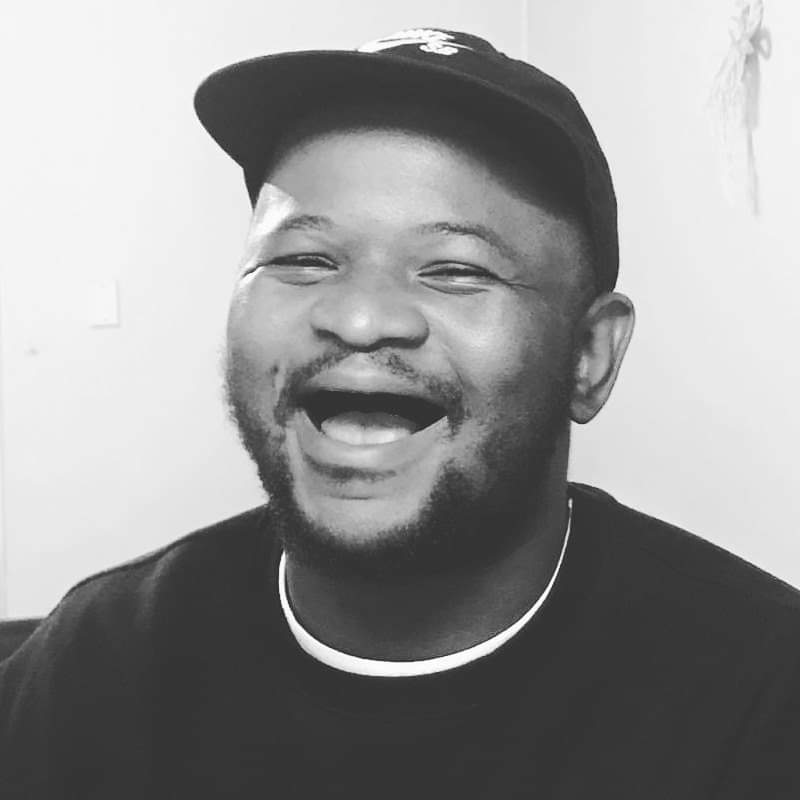
Mokgethwa is a cultural participant serving a couple of disciplines. During the day, he churns out adverts at an alarming rate at an agency, and at night, he’s throwing parties with Company Culture. Then the next morning, he resumes his duties as part of the thought-leading podcast ensemble The Sobering.
 FRATPACKER WORLD.
Leave a comment