• THE NEW SUPERHEROES OF THE GEEK WORLD

    Since the beginning of time, we’ve always heard the story about the damsel in the distress, especially in the comic book, sci-fi, superhero world. It’s uncommon that the women are usually the ones being the heroes and saving the men. Even more rare that you’ll find a black woman being the superhero. That’s why it’s so refreshing and a wake-up call to the nerd and geek community, which I am loudly and proudly apart of, that the recent rise in popularity and interest into things such as anime, comics, cosplay, gaming and more is because more and more black women have become vocal and public about having an interest and passion for the world of the nerdy and geeky.

    Ever since I can remember, let us say from the age of 5/6 years old, I’ve had a deep love and passion for everything fiction; cartoons, anime, comic books, superheroes, sci-fi, all of it. Now being a black youth, both in South Africa & America, having this love and passion that I did was always ridiculed or judged because it was a “white man” activity. This is where the problem starts. The culture had always been described and assigned to two classifications of being for white people and for men. I always found the white part funny just because anime is the Japanese word for animation and there are certain animation styles and technique that help classify it but the fact that Japanese culture can be described as for white people is hilarious. This classification or label that black people had put on the culture of fiction and animation had robbed black youth both men and women from getting the chance to discover and enjoy a passion or hobby that they may have had interest in.
    LEAD BLACK WOMEN SUPERHEROES

    I also never liked this classification because it gives off the implication that you are trying to be white or engage in white activities by immersing yourself in this culture, when really you are just being yourself and trying to enjoy the things you like and bring representation to a space that hasn’t had any and maybe that’s due to the fact of the own stereotypes we set for ourselves. I say all this because growing up having a strong passion and interest in the animation and fictional world as a black kid wasn’t easy. You were either teased by your family, friends and strangers. Then in the actual community itself you could also sort of feeling this sense of loneliness where because you didn’t see others like yourself, because there was the stereotype of you shouldn’t even be interested in this stuff, because it felt like every time you showed up you had to show up as an idea and fighter for others like you to also participate in the culture, it felt like you were carrying all of this by yourself and to prove a point when really you just wanted to geek out over some Power Ranger action figures.

    When I look at it, I think the biggest factor that made this mentality or stereotype trend was just the fact that the black community didn’t see any of this as “cool” by any standards. It’s weird because even growing up I can say a lot of n*ggas loved stuff like Power Rangers, Dragon Ball Z, Batman, Space Jam, Freddy Kruger & Jason and Popeye but for some reason it could never turn into real life cool. Things like reenacting scenes, playing pretend, dressing up or doing cosplay was just seen as weird and loser-Ish. Even from those in the black community that were seen as cool couldn’t necessarily make enjoying and consuming it cool. I’m talking about the likes of Ghostface Killah who took on personas of people such as Tony Stark (Iron-Man) or MF DOOM who took on the persona of Dr. Victor Von Doom (DOOM). Both these personas are characters (hero & villain) from the Marvel comic book world and even though in rap they are considered some of the most highly skilled artists the comic book references and inspiration made people look at them like, “These guys are a bit weird or out there.”. Even with a show like The Boondocks, whose style was inspired by the anime style of drawing, it was a door into the world of anime but could never help the community cross the line and step into it.

    MF DOOM AND GHOSTKILLAH AKA TONY STARK

    We see how the fictional world has never been really to fully integrate itself within the black community. That was true until recently and we have Megan Thee Stallion & COVID to thank for this major transition. In 2019 just before the pandemic Megan Thee Stallion released her Running Up ‘Freestyle’ single and it had references to Dragonball Z’s Goku and Naruto’s Sasuke. This took the rap community and the black community by shock because as mentioned earlier, the fictional world was said to be for white men and now we had a black woman proudly and loudly referencing it. It was also a culture shock because the stereotype and stigma before then was that black women weren’t attracted to, interested or had any care for it so to hear an emerging super attractive woman rap superstar reference was something no one expected. Hearing this and then having COVID hit where people couldn’t go outside, the shows the public regularly enjoyed started becoming played out, platforms for streaming live gaming like Twitch came into popularity and just people having more time to discover new passions and hobbies, people started trying to give the fictional world a chance. The impact of the Marvel movie series also played a big role in that with movies like Black Panther that came out in 2018.

    All these factors combined came at the perfect time to cause a boom in the black community. It has always been said in hip-hop that wherever the ladies are the men will follow and the anime boom was a real-life example of that. With the Megan Thee Stallion references and her coming out on platforms like IG Live talking not just talking about anime but also cosplaying it opened the doors to other black woman who have always been into it but were overlooked because they were black women. It also opened doors to those who have always been curious but shy and to those who just love to follow trends. Once the men started seeing the women do it and find it interesting and even attractive, well…you know n*ggas, they jumped on the baddie bandwagon and went full steam ahead with it. This is not to ridicule or judge people but to show the impact that black women have on setting trends and shifting the culture for the benefit of all.

    MEGAN THEE STALLION IN HER DIFFERENT COSPLAYS

    I know we’ve all seen the shift and impact with more black women cosplaying and doing live gaming streams. The statistics in America even show that since 2020 that the black community has shown more interest into anime and more open to getting into it. It has been said that “Black Americans (18+) account for roughly 18% of the anime fan audience, despite being 13-14% of the US general population.”, and that, “23% of Gen Z anime viewers identify as black.”

    Now the one downside of the fictional world and that has always been a topic in the community is the sexualisation of the women who are in it. This is mainly from a character point of view because the costumes or outfits that they are portrayed in can be described as promiscuous, sultry and revealing. This has always been true and why even back in the day when women would dress up as their favourite anime, comic book, cartoon or superhero character they would be met with the previously mentioned labels or fetishised by the fictional community. It can be said the fetishisation comes from the fact that most men in the fictional community weren’t used to interact with women in the space and therefore came on too forward, strong and creepy. It could be said that living in a fantasy world and seeing those fantasy women in that world come to life in real women who are attractive triggers certain feelings and emotions, especially when it’s your fantasy woman cosplaying as your fantasy woman. Whatever the reason the sexualisation of women in the fictional and especially cosplaying space is real.

    It’s so real that women recognised a market and how to switch flip that fetishisation into profit. With the rise of OnlyFans in the same time women saw how they could add this niche of a fetish into their businesses and benefit off it. There are statistics out there that show women make up 98% of cosplayers on OnlyFans. This is not a surprise when already it is said, “That women make up a majority of cosplayers and some observations suggestion it to be at 66%.”. Beyond the fetishisation of it, these stats make sense as women are more open to playing around with fashion and make-up compared to men and expressing themselves through these artforms. We just need people to start recognising it as an art and not fetish to fulfil their fantasies.

    The world of cartoons, anime, comic books, superheroes, manga, science-fiction and fiction is vast and wonderful. It’s a place where fantasies and our inner children live. It’s a space that is meant for all whether black or white, nerd or jock. It’s just amazing how black women where able to bring a shift of popularity to something that has been going on for decades and one that had been discriminated from until recently. It just shows the true strength and power that black women have on culture and pop culture. Thank you to black women because what was once seen as nerdy is now dope and now my passions can be accepted as cool and not just “white men activities.”.

  • There’s a difference between making noise and commanding presence. With MR BULLY, LaCabra does the latter. This album is a bold statement of intent from an artist who understands exactly where he stands in the culture and where he’s headed.

    LaCabra’s journey has always been rooted in movement. As part of the Qwellers, he helped shape a pocket of South African hip hop that feels hungry again. It was less polished, more grounded, more fun. But MR BULLY is where that energy becomes personal. This is him stepping into solo authority, sharpening his voice and fully owning his identity. The “bully” here isn’t about intimidation but more about presence, dominance, and self-belief. It’s about walking into spaces that once overlooked you and moving like you belong there.
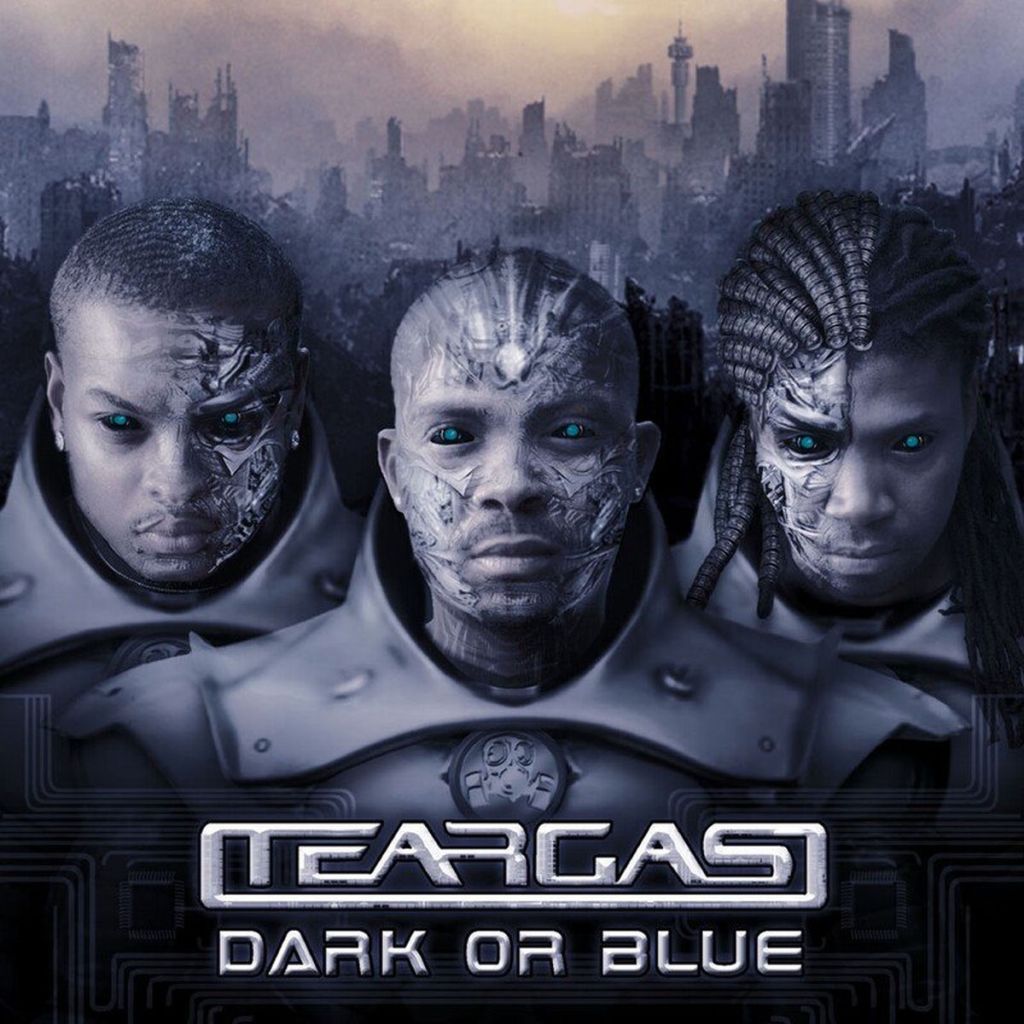
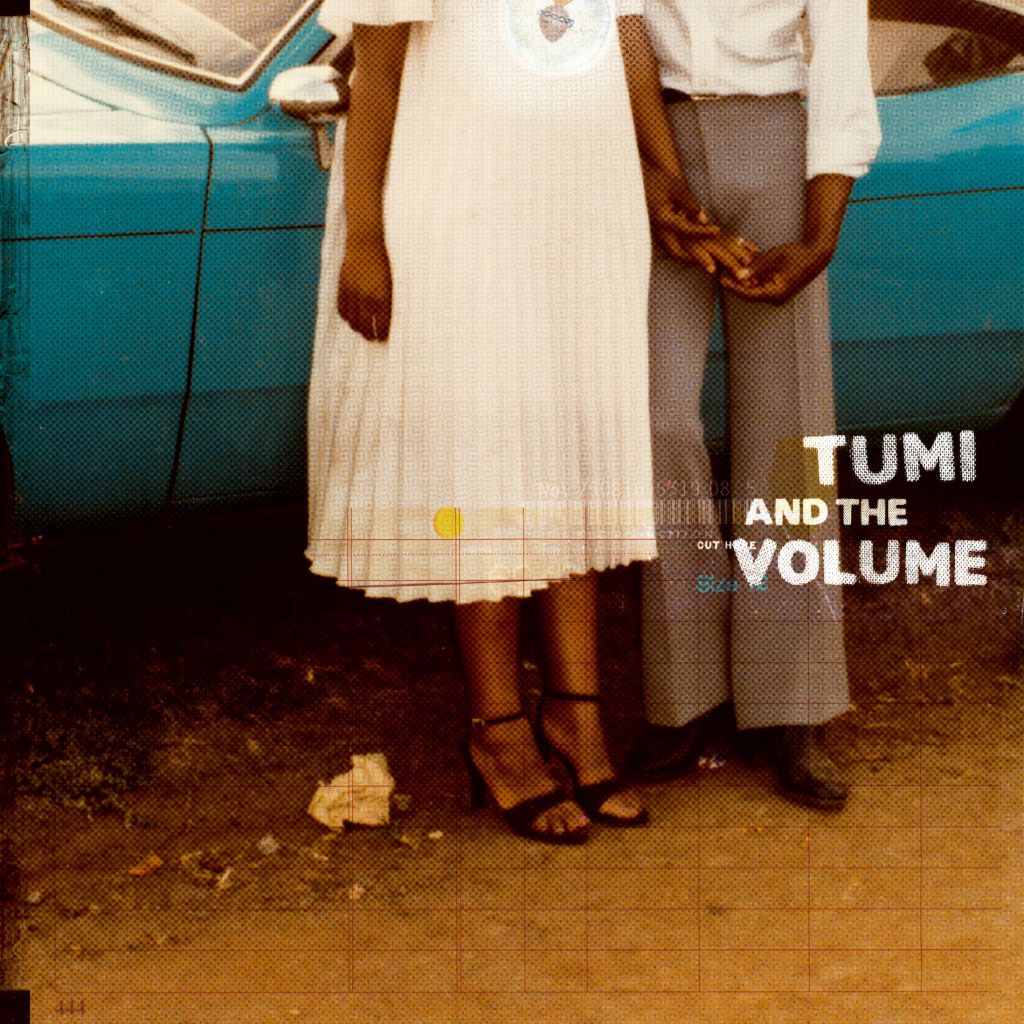
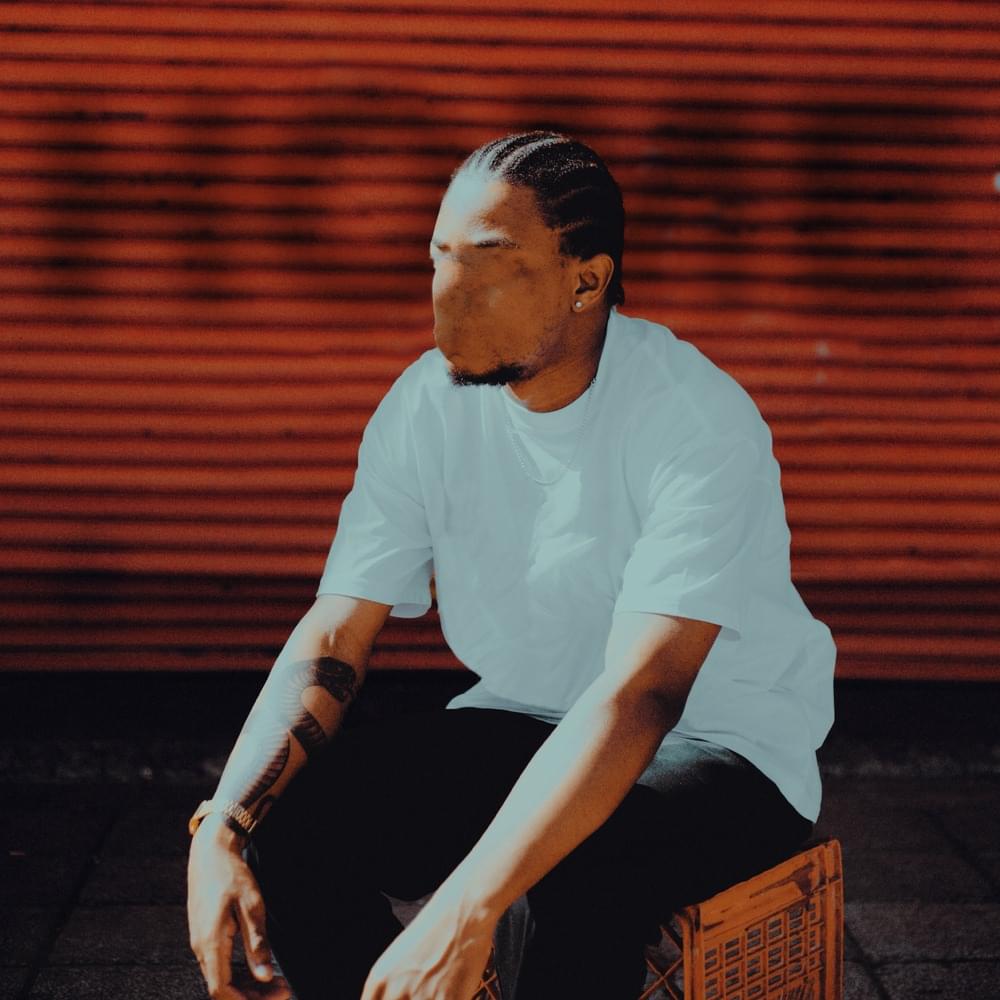
    That sense of evolution is felt deeply on “5AM in Swaziland”, one of the most striking moments on the project. The track leans into beautiful, layered harmonies that give it a reflective, almost cinematic feel. It’s softer in texture but heavy in meaning. LaCabra looks back at a time when people doubted him, when the vision wasn’t clear to others, and contrasts it with where he is now; literally in another country, eating caviar, living a life that once felt distant. The flex is calm, assured, and earned. The harmonies carry that emotion, making the song feel less like a victory lap and more like a quiet acknowledgment of how far he’s come.

    Elsewhere, “Isbhamu” shifts the tone in a different direction. In a space where violence is often glorified, LaCabra uses the track to speak against gun culture and its impact on communities. Instead of celebrating it, he reflects on its consequences, adding a layer of responsibility to the album’s overall message. It reframes the “bully” persona showcasing his awareness of the realities around him and willing to address them.

    There’s also a strong sense of self-recognition across the project, especially on “Shout Out to Me” with Nasty C. The track feels like a moment of pause where both artists acknowledge their journeys; the work, the hustle, the consistency it took to get to where they are. It’s not about external validation anymore; it’s about giving that credit to themselves. There’s something powerful in that, especially in an industry where progress often goes unnoticed until it becomes impossible to ignore.

    “The Vision” with A-Reece is another standout that captures the album’s tone perfectly. The production is smooth and effortless, creating space for both artists to glide. LaCabra brings in those signature harmonies again, adding texture, while A-Reece delivers a smooth braggadocio controlled, confident, and precise verse. The accompanying video adds another layer, moving through a montage of performance moments that highlight growth, presence, and momentum. It doesn’t try too hard to tell a story; it simply shows the journey unfolding in real time.

    Across the album, there’s a balance between ego and introspection. On the surface, MR BULLY is confident, sometimes confrontational, filled with that unmistakable “I’m him” energy. But underneath that is reflection, brotherhood, growth, and survival. By the time you sit with the project fully, it becomes clear that the term “bully” is armour, shaped by experience and used to navigate both the industry and life.

    LaCabra released an album that positions him as a leader of note. This is about owning your space, moving with conviction, and understanding that real power isn’t just about being loud but about what you stand for, what you’ve overcome, and where you’re going. Right now, he’s bullying his way into a seat at the table.

  • HOW DO WE DEFINE THEM IN 2026?

    Out of all the fields in art and entertainment, it has always felt and been documented that the music industry is really the wild wild west. An industry where they are so many loopholes, unspoken laws & broken laws, always needing to play the game and adapt, no uniformity within artists, labels, companies, and fans, and with the growth of streaming over the last ten years, things have gotten even wilder. One of the things that did have rules and was standardised was our definition of the products and art being presented to us. We all had some understanding of what makes something an EP, album or mixtape and the clear differences between them but today it’s like a free-for-all and anything goes but that’s not how it should be so let’s break it down.

    Let’s start with looking at the technical definitions. The term EP stands for Extended Play. This was started in the 1950s due to the technological restrictions because artists were using vinyl’s to record with. They figured that they could extend the play of a single by featuring it 3-6 times on a vinyl. This usually included the single, instrumental of the single, acapella of the single, a live version and sometimes a remix. This was a way to go around artists and record labels having to spend money to release LPs (Long Plays) or album. It was defined then that an EP is anything that is 15 – 20 minutes long and then around the late 1990’s – Early 2000’s it extended from anything between 15 – 30 minutes total, while an LP was defined as anything between 30 – 60 minutes total.

    This definition is important to note because most people usually base what they consider an EP or an LP on the number of songs on the disc. You could say that the consensus amongst the music industry is an EP is anything that has 4-6 tracks but are around 3-7 tracks. Then with an LP it would be 8-15 tracks on the record. This was a widely practiced and you could say standardised method worldwide. We saw this from most global superstars following this format. Micheal Jackson’s Thriller was only 9 tracks long and his Invincible album being the longest with 16 tracks. As people always have them in comparison, figured I might as well, but Prince was the same with Purple Rain having 9 tracks and his highest track count being 16 on his Sign ‘O The Times album. That being the case Purple Rain run time is 43 minutes and 55 seconds and Thriller is 42 minutes and 16 seconds long. This was the norm in the past and recent past until streaming came along.

    Album Cover of Michael Jackson’s Thriller

    There was already a stigma that the music industry is a lawless place with no real rules and regulations put in place. When the streaming era came in it just made everything worse, but you can read on that in my Rage Against The Streams article. One of the points I raised in the mentioned article is because of streaming rules and payouts, artists and labels have taken the route of making shorter tracks to accumulate more streams. What was once an unspoken standard of tracks being an average of 3 minutes long suddenly took a turn, and the new standard became 1 and a half minutes – 2-minute-long tracks. This just didn’t affect single tracks but as well as projects and how we address and label these projects and body of works.

    I’ll use one of the most recent releases that had received high public praise. I’m talking abut Willow Smith’s Black Petal Rock album. The album released 17 February 2026, about over a month ago. It contains 12 tracks, which in length of tracks would be album or LP standard. The problem comes in where these 12 tracks only accumulate to 26 minutes and 22 seconds of music. That is an EP, just a 12 track EP. The first thing we must look at is how are we redefine the terms and conditions of music, what previous titles used to mean and do we not care about keeping up these standards and history of music. The second thing we must look at is are we getting cheated and robbed as the consumers. Receiving 26 minute “albums” where a song is 2 minutes and 15 seconds on average. I saw this because the third thing I look at is the past and how Micheal Jackson and Prince could give us 9 tracks but feed us for 40 minutes plus of music. We’re not just being robbed as consumers, but the art and craft of music and recording is being cheated. People aren’t investing as much time, money, effort, and talent into creating body of works we can live with throughout our lives and create historic moments for us to always run back to.

    How EPs, LPs (Albums), Tracks Are Defined

    I use this as just a general example of how music has been shifting and why conversations of, “What is an EP and LP in our modern era?,” have been based on. We’ve even seen some artist split their albums into separate EPs to get more streams than just release the album as a full LP. One genre that doesn’t seem to be having this problem as much, in terms of projects because the singles are a problem, is hip-hop.

    I say this because with hip-hop we are still seeing artist give us 35 minutes plus of projects but with regards to the tracks we are the leaders of the 1 and a half minute tracks but we not getting into that for now. I want to look at the fact we are getting these lengthy projects in time which is beautiful but the ugly comes in with the number of tracks being put on to get to that length. I’ve noticed that we are regularly getting 16 – 20 tracks projects and that’s a lot of music. Too much music. It makes it hard to have a great album or classics because I believe a classic means that about 80% of the tracks on the album having to be great, whether lyrically, sonically or spirituality. It becomes harder when you have so many tracks on the album. I blame the mixtape for this type of thinking and system that has been implemented into the culture.

    The origin of the mixtape comes from artists not having the financial backing or capital to get there tracks mixed and mastered, or tracks that they didn’t think were album worthy and never got mixed and mastered but still wanted them to be released. Hence the name Mixtape, a tape with a mix of unmixed tracks. We know hip-hop has always been making the most out of nothing and why we invented the mixtape. The mixtape became modernised when artist realised, they could use it to release tracks that they never got sample clearance from or tracks where they were rapping over instrumentals from other popular tracks from different artists. This trend took the mixtape popularity to a new level in the 2000s and it became a standard that you needed a fire mixtape to prove you are one of the best. Now because the mixtape was just meant to be a mix of songs to just put out for enjoyment, they were pretty length track wise usually having about 20 tracks minimum.

    Data Research On EPs v LPs in 2021 from DITTO

    Now because the black community and especially in hip-hop never really had the funding and backing like that, it makes sense why a hip-hop artist would want to put out everything in one album with not knowing if the opportunity would come again and with the same level of investment. While I can understand the thinking, I don’t think it has helped achieve the top level of musicality potential we have. It’s why the classic album conversation is always tough because a lot of cults classic but not a lot of public classics and that’s honestly because the albums were mixtape length. When we think classics we think Nas – Illmatic, Jay-Z – The Blueprint, Kendrick Lamar – Good Kid M.A.A.D City, as a consensus. These are albums that are 10 – 14 track long albums. There is something we as a culture and music can learn from in making albums with intention and patience to get that perfect flow state of 10-14 tracks and that doesn’t feel like an overload of music. This has also caused a problem on how we define what’s an album and mixtape as well. We can’t even redefine it because everything is being mixed now so the length of project would be the define factor, but we can’t use that right now so now we stuck in the limbo of album vs mixtape.

    In conclusion I know as artists and creatives we hate being boxed-in or defined, as we feel it restrictions but the opposite side of it is that it gives us intention and meaning. Knowing what something is and how it should be helps you adjust to purposefully carry out the plan and mission with intent. Whether it’s intent to execute according to the letter or to disrupt the system, we can understand what your goal is. With no definitions we are all just wandering about aimlessly trying to figure things out and with no answers or solve in place for us. Let us define the music again and what it means to us before it starts to mean nothing in the greater scheme of things.

  • THE MASONWABE NTLOKO STORY

    When people say fine art and especially into regards with the painting community, the images of black faces is not the first image or thought that comes to mind for most people. We usually here of stories about black artists either being blackballed, stolen from or shunned from these communities and spaces. The beauty of social media has been the access to discovering such artists and not having the usual barriers such as access to infrastructures like galleries and museums for people to showcase their work. Now, we can support and circulate the work within each other as our own community and build our own fanbases but at the end of the day traditional and physical keypoints still help. One artist who has been able to imprint black faces into the art world, our minds & hearts, online and within galleries and museums is South African artist, Masonwabe Ntloko.

    Masonwabe Ntloko was born 1996 in Ngwane, Willowvale. Inspired by the culture and people of the place he grew up in he decided to study Textile Design at Nelson Mandela University, graduating in 2018, and through his studies he has been able to build a distinct visual language that aims to preserve isiXhosa language and heritage. Right after graduating he wasted no time putting his skills and passion right to work. He entered a Yogi-Sip competition in 2019 that he won and through that he was able to start his own studio and so the Masonwabe Ntloko Studio came to life. The competition was the country’s introduction to Masonwabe and his work with there being four bottles printed with his designs that were sold nationwide in 2020. The partnerships didn’t end there with Masonwabe. In 2021 he collaborated with Markham by TFG [The Foschini Group] on a capsule collection that was well received nationally. Later that year he partnered with Airloom Decor to create the rug collection titled ILIFA LETHU which took South Africa by storm. After three drops the partnership ended. Through this experience and seeing the reception of his art and collections, Masonwabe decided to end his run of partnerships and focus on building his own independent brand to create his own community and fanbase of loyal buyers and collectors to sell to.

    The Masonwabe Ntloko x Yogi-Sip Collection

    Masonwabe’s last collaboration came in 2022 with Warner Music Africa by rebranding the entire company. He has since released a knitwear collection in 2023 titled AMEVA AYABANGULANA and continues his beloved ILIFA LETHU rug collection with the latest drop in 2025. He also hosted a sold-out solo exhibition independently of his paintings in 2023 titled ILISO LOMOYA. He’s been featured on magazines such as GQ for his work as well.

    At the end of 2025 Masonwabe unveiled a capsule clothing collection and has released several limited editions print collection along the way. Through his multidisciplinary practice Masonwabe Ntloko continues to explore the intersection of culture, identity, and design establishing a body of work that is personal, innovative, and deeply rooted in the heritage of his upbringing. Masonwabe has also showcase in group exhibition with galleries such as Origin Art Gallery, BNAP Foundation, World Art Gallery, he has also shown some of his work at the Latitudes Art Fair 2025, with some of his work currently in the University of Pretoria Museums. Masonwabe has also had an opportunity to showcase some of his work in Brussels with Limani Gallery at the Belfius Bank. Masonwabe works in mediums: digitally (for designing), fine liner and acrylic on paper for paintings but we now that we have the canvas that is Masonwabe Ntloko, I’ll be the brush as he paints the self-portrait of his background.

    Masonwabe Ntloko on the Cover GQ Magazine South Africa

    INTERVIEW WITH MASONWABE NTLOKO

    What colour would you paint the town?

    Why does the town need to be painted? I am fine with the picture. I think we are so self-obsessed with our value because we think people should share the values we have. I’m not the president, the only people that should suffer for my consequences are my kids. Everyone else I should not be making decision for people.

    You paint portraits are these real figures or just people you envision?

    It’s a bit of both. I paint sometimes. How I started drawing was because when I was younger, we knew you could draw f you could draw a person so that’s the base I judge myself on. Reference is a big thing drawing celebrities and soccer players. I started drawing people from the internet but I started wanting a certain look and certain feel, so I started shooting images so that it became real and professional work. It’s everyday people and sometimes I add imagination into it if I want certain details or features changed. Few time it’s off the dome.

    What’s the self-portrait you would paint for people to get to know you?

    If I just draw me in my everyday clothing with my style that’s me. My work is a true reflection of who I am. The work itself is me. Even if I’m drawing the most urban person because the style lends its self to tradition and culture you’re still going to look at it as blackness and Africanness. It would just be me wear what I wear on a daily basis using my style.

    Masonwabe Ntloko In Front of His Latest Transkei Collection That Was Acquired by The University of Pretoria Museum.

    Why did started you on the path of illustration and painting?

    I think, I’ve always known this is what I wanted to be but were I grew up we didn’t access to the information and knowledge to these things. From when I knew I could draw I knew I wanted to this for the rest of my life. You get to varsity and the one question you have to ask yourself is what do you want to be remembered for. I wanted to be someone who can say that my people could see themselves in but could also access and that birthed the style and identity of the artists that you see and experience today. Also I released that I came from a very rich background in knowledge on blackness, culture, isiXhosa. When I started meeting people I realised people didn’t have these same experiences as me but still wanted a space where they felt they belong so I’m an entry point to understanding the blackness and culture from an artistic lens.

    What is your relationship with hip-hop?

    I say that the two things that are the reason I am who I am today in the creative space is hip-hop and Dragon Ball Z. The first time I saw people drawing was cartoons with weird spikey hair, first time I saw myself in an artform is hip-hop. I’ve been listening to hip-hop since 2007 I was eleven. My older brother [cousin] left a white cd with gang hip-hop music and he loved Eminem, but I didn’t really feel it like that. In this CD there was The Game’s Doctor’s Advocate, Rick Ross – Port of Miami, Jay-Z – American Gangster, Kanye West – Graduation, Eminem- Eminem Show, G-Unit Beg For Mercy. I started listening to the CD he left behind and once I got into the Kanye West album and Bittersweet took me away and at the same Stronger music video comes out and how the background of the video and song came together. I hear about the Atira movie and hip-hop opens this weird world where I’m exposed to knowledge because every time a rapper does a reference I want to know about it and that increased my love for research. Where example they say Micheal Jordan game seven, but what does it mean? I wanted to involve myself in the conversation but with understanding. It became something I could see myself in. There was a look, a sound, a feel and all the touch points that it had were the ones to which I could relate. I could see a future me in this artform even though not being a rapper but the self-confidence rappers had is something I could see in myself and encourage me to be the black king I am.

    Modelling the Latest Masonwabe Ntloko Capsule Collection Released in October 2025


    How does hip-hop influence your work?

    It influences my work but not in the way you think it does. My rollouts are based on music. The beauty of not hearing an album before the day drops is how I present my work. So, a lot of my rollouts I can always tell you whhc album inspired it. I operate just like artists would, but I tweaked it because as much pre-roll out is important so is post-roll out. I noticed a lot of musicians fall in that area where the goal is to purchase the music but what about the following after? Hip-Hop taught me taste because a lot of the references are high-end fashion and art just like Pharell would reference Nigo or Kany makes an album cover art by Josh Jundo or Clipse’s makes an album and the cover is made by KAWS. You know about Jerry Lorenzo because of what he did next to Kanye West, so a lot of my understanding and taste of the world came from hip-hop. I make this joke that you cannot be a great graphic designer if you do not listen to hip-hop because of the taste, it teaches you. You need to know culture, and you will be able to see it through the work. Our understanding of fashion comes from what Roc Marciano is going to wear, even in terms of smell. Hip-hop taught me a lot about presentation because hip-hop artists took rollouts and album covers seriously and made references that made us want to know more about the world of art beyond the music.

    What are the hip-hop album covers that you worked on that people don’t know about?

    I worked on Zoocci Coke Dope’s – Anxiety the first one, I shoot that on my iPhone 6S. I did his Anxiety Plus as well. I did 25K’s- Pheli Makaveli, the whole rollout. I did Zulu Mecca, two EPs Fable & Wept, and some singles on the EPs. I am trying to remember now because it was so long that I struggle to remember and don’t really think about it PH-Raw – Sense, Experience & Eqiouto. Cassper – Good for That. Cassper – Amademoni. Then I have some jazz and house ones. Simphiwe Dana – Bamakho, Jimmy Dluldu- History in a Frame, De Mthuda – The Landlord. Songs that became hits, De Mthuda – Emlanjeni, Njelic – Wamuhle, Every DJ Stokie album until Soke S’bone.

    ZuluMecca’s WEPT EP Cover designed by Masonwabe Ntloko

    As someone who’s work is heavily influenced by their culture what do you think of South African Hip-Hop and its infusion or lack of our cultures?

    I can speak from a fan’s perspective, but when I speak form a fan’s perspective it’s not to push people to do things a way. So, my opinion is not how people should do things, but I do think what hindered it’s growth was its falling back of adding its blackness to it. A lot of our success stories are very much based on people being unapologetic themselves. What people need to start realising that music is really universal so language and inspiration is not much of a barrier as you think it is. When you listen to Afro beats you can tell what influenced but you made it your own. So, I think what’s happening right now is that what became the mainstream. I would love to ask Cassper of him wearing Mr.Price was intentional because it made a lot of people feel relatable to him. AKA rapped in English, but the music sounded South African. Lord Kez AWE is a good example because it’s R&B but with South African influenced in it. This is something Sjava does well and why he’s so big. Do what’s right for you but from a fans perspective I want to see a lot of me in the art and where I come from.

    If aliens had to come and see our world what is the picture you would paint for them?

    Interesting question. I think I would make sure that the subjects in the world is black. I believe a lot of what’s great with the world is rooted in blackness. I would want them to know how great and amazing black people and culture is. It would be heavily influenced by myself and a lot of the lifestyle I live. I wouldn’t be trying to teach them everything but what they would be able to take away from the artwork I the love and passion I have for my people and might not be great lesson to teach to aliens but hey it’s MY artwork at the end of the day.

    As a real life X-Man which X-Men would you describe a yourself as?
    MY favourtie has always been Wolverine for obvious reasons. The reason I’ve always seen myself as Wolverine is because the ability to fight every day for weather what you believe in, what you stand for, the life you want for yourself is something I’ve found admirable. Also, the ability to find yourself to live through all eras because he is like hundreds of years old and it’s such a beautiful thing because you experienced the world. His inkani [hard-headedness] of looking at a situation and knowing you not going to win but you still fight and find a way to win is admirable. I know it sounds like a safe answer but I am not Mystique I do not blend in and I’m not trying to. I’m not Jean Grey I’m not gifted from birth, a lot I had to work on and I didn’t tart out the best but as much as you try with heart, passion and putting in a lot of work you become the best and create the things you’ve always wanted to see come into real life.

    Masonwabe Ntloko’s Latest Drawing/Illustration on Instagram

    THE END.

  • After a period of relative quiet from one of pop music’s most consistent hitmakers, Bruno Mars has officially returned and he’s back at the top where he belongs. His latest album The Romantic has already shot straight to number one, reminding the world that when it comes to timeless songwriting and irresistible melodies, Mars rarely misses.

    The album feels like a confident return to the lane that made Bruno Mars such a global force. It’s big emotions, massive hooks, and songs that feel tailor-made to live forever on radio and playlists.

    One of the early standouts is “Chacha.” The record is pure ear candy the kind of infectious, replay-worthy song that Mars has mastered over the years (it’s definitely going to kill at karaoke parties). It’s playful, rhythmic, and instantly memorable, proving once again that Bruno has an almost unmatched ability to craft pop records that feel both effortless and meticulously engineered.

    Then there’s “Risk It All,” a record that will instantly transport longtime fans back to the emotional intensity of his earlier work. The song carries a familiar weight and vulnerability that echoes the spirit of his classic ballad Grenade. It’s dramatic, heartfelt, and delivered with the kind of vocal conviction that only Bruno Mars can pull off.

    Another highlight arrives in the form of “Why You Wanna Fight,” which leans fully into the album’s romantic core. The song feels like a true lover’s anthem. Why fight when you can make love is the crux of the song. The song is soulful, and dripping with the kind of sincerity that reminds listeners why Bruno has always excelled at writing about love in all its complicated forms.

    Taken together, The Romantic is exactly what the title promises; a celebration of love, vulnerability, and emotional honesty wrapped in Bruno Mars’ signature pop brilliance.

    Warner Music Africa recently gave fans and tastemakers a chance to experience the project early through a beautifully curated listening session. The evening was less of a typical industry playback and more of a vibe — an intimate celebration of the album’s mood and energy.

    Adding to the atmosphere was a slick Don Julio activation, elevating the entire experience and giving the night a premium feel that matched the elegance of the music itself. It was one of those events where music, culture, and lifestyle intersect seamlessly.

    With The Romantic, Bruno Mars proves that even after stepping away for a while, his formula for making timeless music remains untouched. The melodies are undeniable, the songwriting is sharp, and the emotion feels authentic.

    In a music landscape that often moves at lightning speed, Bruno Mars reminds us that romance, melody, and great songwriting never go out of 

  • THEY GET PAID, WE GET PLAYED

    Board games, arcade games, the 100 games in one TV Game, Sega Dreamcast, Nintendo 64, PlayStation 1, Gameboy, Gameboy Colour, PC Games, Internet Games PlayStation 2, Gameboy Advance, Nintendo GameCube, PSP, Xbox 360, Mobile Games PlayStation 3 and PlayStation 5. Everything mentioned, I’ve owned, played, broken, sold, lost or given away in my 32 years of being alive. That’s a whole lot of consoles, technology, software, hardware, gaming and development in 32 years. I’ve seen green and black 2D pixels to the most advanced 3D, 4K open-world graphics and through its evolution, I’ve been able to witness the devolution of gaming.

    It’s said that gaming advances technology more and faster than any other industry and as someone who used to be a devote and passionate gamer, I can believe it. Gaming has always had artificial intelligence (AI) embedded in it even at its earliest stages with having to fight bosses and pass stages that you would have to adapt to or try figure out their patterns. The processors, RAM, graphics, storage and hardware needed to keep evolving gaming but still have portable consoles that you could comfortably carry and fit anywhere inside your house. The growth from 2D to 3D animation we saw in gaming was unlike anything else. Even the quality of the graphics where we saw pixelated icons and figures, to see our favourite sports stars features coming through realistic with face scanning and body movement tracking technology. I remember Eye-Toy on PlayStation 2 (PS2) where we had camera and motion sensors track you, your siblings and friends from your living room into the game itself. The first-time virtual reality became physical reality was through gaming. Drive and flight simulations showed us just how complex and interact these professions can be.

    Looking at PC gaming we saw how the world can be connected via internet through ethernet cables with all the online gaming that was going on and how friends could interact with each other in the comfort of their own homes. In 2002 we saw how advance technology could be when Sony introduced online gaming on the PS2 and you look at where we are today and it’s basically online gaming or nothing. We saw portable gaming and technology with the GameBoy & GameBoy colour, then Sony came and should us the PSP which became a pop culture revolution being used for more than just gaming but for videos, internet and overall entertainment. With so many years of growth and development gaming has brought to the evolution of technology, it’s a shame to see how gaming is devolving. It’s mainly because as much as gaming is technology, the heart and soul of it comes from the human emotions and bonds that it helps to evoke and create in us. Now…now, it’s taking the human out of gaming and left us with nothing but soulless and heartless 1’s and 0’s that hold value mathematically but not in our hearts.

    That felt like information overload so I’m going to slow it down like dial-up internet and start from the beginning so you can understand why I call it a devolution. In the beginning there were arcades. We would all beg our parents for some money and to drop us off by the arcade or go walk to your local corner store, where there would usually be one or two arcade games, and we would use our parents hard earned money to have the time of our lives playing and competing with our friends. It didn’t just provide us with entertainment but created communities and friendships amongst us as kids. It became a lifestyle. It became a second home to some. This feeling really came to life when the gaming systems came into our homes. Consoles like ATARI, Nintendo NES, and Sega SG-1000 were on the market and changed how the world and society saw video games. Now, I’m not that old that I can say I had these consoles, but we can’t appreciate the now without the past. I want it to be known that during this time PC gaming had already been around and had multiplayer game but there’s a difference in sharing a keyboard and having to compete against each other and having your own joystick while you compete against or play with each other. It made it feel as if the arcade was in our house, creating a second home for many of us.

    I’m not going to do a deep dive into the evolution of consoles but just wanted to give a representation of what it meant to be able to go outside and play video games with your friends and how it changed our worlds when you didn’t have to go outside to do that. We would go to each other’s homes, interacting with each other’s families and even sleeping over. These moments created bonds between us where we started to feel like family and our families would adopt our friends and vice versa. It became bigger than gaming. We would play against and with our siblings, even if they didn’t like gaming but there was always that one game that could bring you together and have you sit for hours playing with each other. The TV game was our centre of gravity. It pulled us all in and we couldn’t help but revolve our lives around it. As time advanced so did the technology and the multiplayer games. Split screen went from just 2-player to 4-player. Consoles started making joystick extensions so you could add more controllers and when controllers became wireless you could have up to 8 players with games like FIFA, Madden & 2K. It made so that you could have more friends sharing not just the game but same space and experiences with each other. It all changed when consoles started focusing on online multiplay.

    I remember the first time I could play online with a console, because the old dial-up with PS2 was too expensive, was on the PS3 and the game was Call of Duty World at War and FIFA 08. It was such a life changing and unforgettable memory and experience. Going to my best friend’s house and vice versa, going online either split screening and shooting people together or cheering each other on as if we are watching a real football match. What made it amazing was just that you were playing with your friend, but you were able to play against other people over the world and talk to them through our headphone and mic systems we had. It genuinely felt like you can travel the world without travelling the world. We were so into the online multiplayer game we even had our own friend’s group, where we would all set a time to login and play with and against each other online. It felt like a cheat code for the days and nights when we couldn’t hang around together. In hindsight we should have seen it as one of the factors that would be the downfall of gaming.


    I say this because what we were doing in 2008 has now become the norm in 2026 and yes, as much as it does keep us connected in these expensive and what feels like ‘always-in-a-rush’ lifestyle and society, it feels like it has separated us from coming together and enjoying these experiences. The proof lies in the fact that there is a declining in split screen being developed in games. I understand the cry of software and hardware struggling to render the 4K gaming graphics simultaneously, but I believe we want the experience over the graphics. There must be a way to compress it for the split screen. The real reason is just because online gaming has become the norm so much so that financially it doesn’t make sense for these developers to make the split screen but now think about being at home with your siblings and knowing that you can’t even share and enjoy a game together at the same time.


    Another problem that came with multiplayer online gaming is that developers have focused more on the open world then the actual gameplay. In the beginning it was fun to be able to interact with the multiplayer-universe and go more in-depth into the worlds that the games and developers had created for us. It was like a fun extra bonus surprise, to be able to explore and interact with players outside of gameplay and especially at the time when it felt like game prices were on the rise. At some point though the focus became more on the open world then the actual gameplay, game storyline, challenges, defeating the bosses, upgrading levels and playing the game. It feels like nowadays more games give open world play and not game play. I feel this was influenced by mobile gaming. You probably thinking, “How did mobile gaming influence such a big shift in gaming overall?”. Well, the answer is simple. In-game purchases.

    Group of young friends having fun while playing video games together at home


    When the iPad came out and games such as Angry Birds, Candy Crush, Subway Surf and etc. came to our screens, it was also the first time we really saw in-game purchases for level-ups, clothes, rewards, etc. instead of creating challenges and tasks that we had to complete in order to get these rewards. The in-game purchases were so bad on mobile gaming that they had to put laws in place to stop little kids from being able to purchase because they were running up the bills for their parents. Some even putting their parents into debt. Console gaming saw this and decided, “Hey, if people are willing to buy instead of play. Let’s see how far we can take it.”, and boy did they take it far. Games like Call of Duty and 2K would release and in the same day you would see players who already have all the accessories and attributes within hours of the release, and you think to yourself, “How?!?!?”. Only to find out that people were just paying exorbitant amounts of money on all these and skip the whole point of playing the game. Game developers also stopped caring about storyline, gameplay and, making challenges and tasks. It was no more about playing but more about paying now. You want to go into the multiplayer-verse open worlds to show off and keep up with everyone else on there. Before we used to want to compare and show our friends that you could master the game by completing all the missions, side-quests and even finding some Easter eggs.

    The final straw that broke gaming’s back, and not just gaming but multiple industries within the entertainment space, is the removal of physical technology. With the gaming industry switching from physical CDs to buying and downloading your games, we thought that this would work in the favour of gamers. Only to be proven wrong years later. Games are now being hosted on servers and with that it means that if a server shuts down, closes, has a technical difficulty or anything of the sorts, the user doesn’t have access to the game that they paid for anymore. How ridiculous is that? You can spend thousands of your hard-earned rands on a game and not even own it. You’re renting it. Game developers have even started licensing games to gamers, so instead of buying and own the game, you are paying to use the license to play the game on that specific platform and server. You see this in the EULA & Terms when buying a game and the make sure that these games cannot be copied or shared. Gone are the days where you can lend games to each other or even swap them. Gone are the days of ownership. Gone are the days of gaming.

    It started off great but now it seems our relationship with gaming has taken a turn for the worse. Since the time of arcade games, we were always fine with paying to play because the value, the experience, the community that it helped build was always worth it and more. Today it feels like we are paying to get played with what we valued being taken and stripped away from us. The experiences aren’t the same. The community isn’t the safe space it once was. The games aren’t fun anymore. Gaming may have helped technology evolve but the technology has had a reverse effect on gaming. It leaves me asking, “Who’s playing who, and who wins at the end of it all?”.


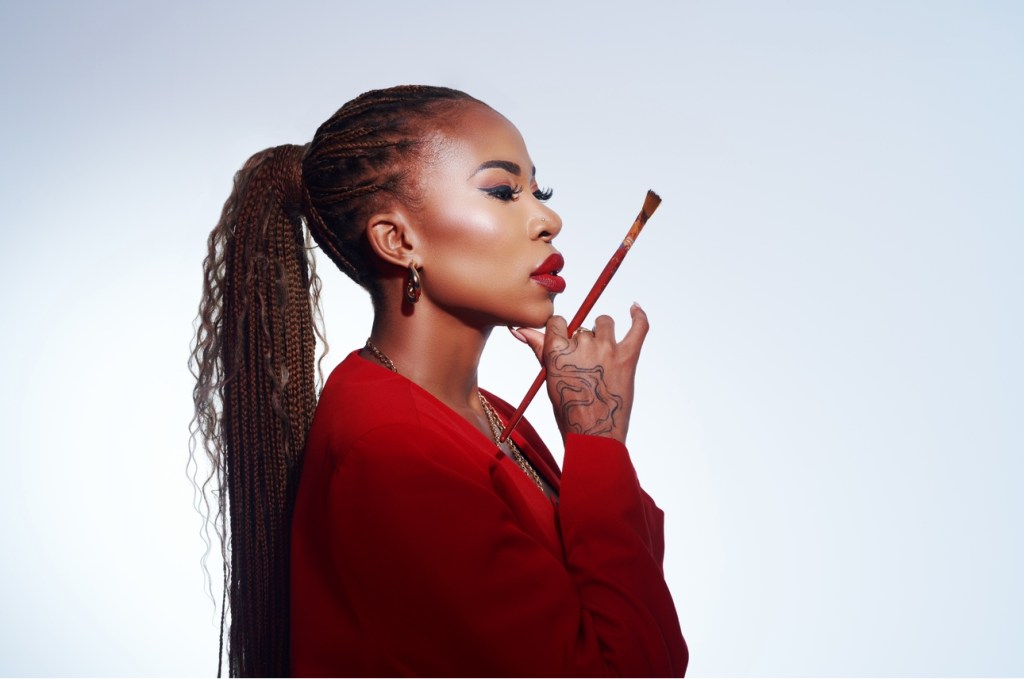
  • A Rising Star On The Decks

    Since 2020 we’ve seen the rise of more and more women playing, taking up space and dominating the DJ world. While there are a lot of comments and stigma surrounding women DJs, such as, “they only get booked for their looks” or “it’s a feminist agenda” or the most disrespectful one of all, “the organiser/promoter is just trying to smash.” . All of these statements are disrespectful, degrading and disregards all the work and systems that these women have to fight through to get to where they want to be and live their dreams.

    Now, I could just write an article raving and ranting about how we need to kill this narrative and we need to do more but instead I’ll actually do more and start talking on the women making and creating waves in the DJ world. To start off, if you don’t know by now, this magazine is a big fan of everything Hip-Hop culture related so when seeing online debates of hip-hop DJs not bringing the heat or playing the same songs at every event or groove, I take that personally. There are a variety of hip-hop DJs who are carrying the flag and waving it high and proud for the whole culture to see and ride with. One of those DJs and who we will be spotlighting and interviewing in this article is the young and great Nahledi.

    Nahledi first came into my radar, I want to say, between 2022 – 2023 when she was still living in Cape Town and I had started seeing her on social media through the local hip-hop acts who would post her sets on their Instagram stories. Watching the stories and hearing her song selection was the first thing that caught my attention. Her song selection involved not just the regular hip-hop club bangers but the underground raps, the soulful raps, the neo-soul raps, the new raps, the alternative raps and most importantly the local hip-hop that she was playing. Just from that alone I could tell she was separating herself from the rest of the crowd and making a statement that she’s her to be stand out and give outstanding performances.

    I knew she would be making waves in the hip-hop and alternative scene and not just cause of her song selection but her technical skills as well. Her mixing, blends and transitions are things you can tell that she has worked on and practiced with dedication and passion. She’s not just trying to have dope song selection cause then if so she’d just be a playlist curator and not a DJ. You see this passion and dedication with the energy, vibes and fun she has when she’s on decks and how the crowd reacts to her sets as well. The fact she’s always willing to push the audience to learn and appreciate new songs that may not have heard before. Keeping the spirit of DJing alive, which was about getting and breaking new songs and records to the crowd and do it for South African Hip-Hop, R&B and Alt music was something that no one could overlook or deny.

    That’s why it came to no surprise that Johannesburg organisers, promoters and brands started calling and flying her out to play her sets at their events. She was creating a fan base and community of her own. A community of people who range outside of conforming to the norms and the usual but wanting and craving something new, something different, something with feeling. This community and demanding kept growing to the point that eventually she just had to relocate to Johannesburg because I mean Cape Town, you know…well, that’s a topic for another day.

    This allowed her more access to the entertainment industry and scene but a wider and diverse fanbase. This has led to her playing events like Narow-Bi, Soundset Sunday, Slow Cooked Sundays, Eden, Prime, Pantone Sundays, Ebumnandini, Good Morning, Kwa Gogo and more. She’s played for brand events such as Adidas, Garnier, Sportscene, Maybeliine, Spotify, Brutal Fruit and all the others I may have forgotten cause the list goes on. Her impact and influence has been so great that even Play Energy Drink had to sign her on as a DJ to their ShePlays campaign, that focuses on empowering and promoting women DJs and breaking the stigmas and barriers that I mentioned in the beginning of the article.

    I could go on and on about Nahledi and how she is a star both [Nahledi translated means Star] literally and figuratively but rather hear from the star herself so let’s get into with Nahledi.

    INTERVIEW WITH NAHLEDI


    What drew you to music?

    The thing that drew to me to music is that, I grew up in a family that really loved music. My dad had a huge cd collection and just being at home there was music constantly playing because of my dad, and my brother was also a big music fan, so growing up music was always around me and the sense of home and belonging drew me towards music.


    Where did you learn to DJ?

    So, basically in 2021 there was a P*ssy Party workshop hosted at the Waiting Room in Cape Town and a friend of mine knew I was interested in deejaying but not taking it seriously or whatever and she said, “We should go to the workshop.”. We went to the workshop, and it was eye-opening for me and one of the best experiences in my life. It opened my mind to deejaying as a concept. At the time I was working as a tutor so I saved up some of my tutoring money and bought myself a small controller, around the Black Friday weekend. From there I became best friends with YouTube and never looked back.

    What makes one a DJ?

    I think a deejay is a collector of music. I would even say an archivist of music. A deejay is someone who understands culturally the impact of the music that they are playing, the music that they love and know. They put people on to new music. I feel like basically a deejay is somebody who is a historian of music, to a certain extent, and somebody who specialising in having a lot of knowledge about the sound that they play, the genre that they play, the artist that they play. They have just a really big knowledge bank of music. Yes, I think that there are the technical abilities one needs to have like mixing, beat-matching, key matching, skills, effects and so on. There’s a whole bunch of technical skills but I think the thing that separates a great deejay from a good deejay, is that you can tell a great deejay from the level of research and knowledge they have on the music that they are playing and I think that what makes a really, really amazing deejay when you have a combination of the technical ability and the knowledge of the music you’re playing.

    What’s the difference between having great song selection and curating a moment?

    I think the difference is reading the crowd. I mean anybody can have great song selection and great song selection can take you very far, but the difference is being able to read, play and curating that moment to the specific crowd you’re playing to. That’s what makes a moment and makes it something special because if everybody in the room is resonating with what you are doing, having a good time, vibing to it and really enjoying it, it becomes something bigger than just playing their favourite song. I think great song selection can create those experiences, but when you really want to capture the moment, it’s about you and the crowd moving in unison with one another. You must really get into their heads and taking them on a journey with you. That’s the biggest difference in song selection and curating a moment. It’s about really involving the crowd in what you are doing.

    Favourite & worst stigma about being a DJ?

    The worst stigma about being a deejay is that we are all players. That is not true because I’m the biggest lover girl to exist and I know a whole lot of deejays who are lover girls themselves, so that’s not true at all.

    My favourite stigma is that deejays are supercool people. I, definitely, agree. Deejays are some the coolest people I’ve met, and nicest people I’ve met. We just got a really great vibe going on for us and I think everybody is so different and unique in or own ways. Deejays being cool people, has to be my favourite stigma because I’m the proof in the pudding.

    If you could be a DJ for an artist, which artist and why?

    Honestly speaking, I would not be an artist deejay and just be my own deejay. I always think of this FKA Twigs song [Which Way ft Dystopia] and there’s a line in it that says, “I’m not the accessory to the rockstar. I am the rockstar.”, so I feel like I am the rockstar. I like being the deejay that is the artist instead of the deejay to the artist. I have a lot of respect for artist deejays and the chemistry and relationship that they have to build with the artist. For me I think of your Pinky Girl, Kaytranada, Jyoty, you know the deejays where they are the rockstars, they are the artist, the ones people want to see. I think of DBN GOGO she is the rockstar deejay! My goal in life is to be the rockstar deejay and not be an accessory to the rockstar. I prefer to be the main act in the performance that’s happening.

    As a woman hip-hop & alternative DJ what’s one thing you wish the industry and fans would just shut up about?

    I think the one thing I wish the industry would just let go is the concept of “one size fits all” and telling people, who they should be, how they should play, what they should do with their craft and how they should go about it. I honestly believe everyone is unique and that everybody has their individuality and that’s the thing that separates you apart from every other deejay. As soon as we start creating this system/machine of having a mould or formula of how people should be, it becomes monotonous and we all start sounding the same, which is not the goal or the point of deejaying. I feel like it stifles creativity and it holds people back from reaching their full potential. I think of an Uncle Waffles; if you love dancing and dance music, and you put those together it becomes something unique, amazing and beautiful and it works but I don’t think necessarily that will be the formula that will work for everybody. Some people are great at mixing or mashups so telling them, “No, mashups don’t work, you should be dancing.”, that could stifle them when they are brilliant at it. I think give people the creative license to do the thing that they do, as best as they can, and let them work on their craft and build their craft. Lt them explore and experiment without trying to copy and paste someone’s formula onto them. I don’t think it’s necessary. In my experience, I had people telling me, “You should stick to one sound or genre.”, and I’m glad I didn’t listen to them because I’m really good at having multiple genres in my repertoire and if I took their advice I would have stifled my own creativity and limits to my progression and evolution not just as a deejay but as an artist, so I don’t agree with the “one size fits all” ideology.

    The 5 albums that changed your life?

    The 5 albums that changed my life in no particular order are;

    Sango & Xavier Omar – Hours Spent Loving You

    Frank Ocean – Channel Orange

    Lil Wayne – The Carter IV

    Mac Miller – The Devine Feminine 

    FKA Twigs – Caprisongs

    Honourable mention to J Cole – Born Sinner (Deluxe Version) and Doja Cat – Scarlet

    Tag Tuesdays, what was the inspiration behind it and do you consider yourself a hoarder?

    I have been really trying to work on my content, on social media, and being more consistent on posting and more consistent on giving the full landscape of who Nahledi is, outside of just being a deejay. Outside of being a deejay, I really do like being outside even if I’m not working and Tag Tuesdays came out of the concept of me trying to show more aspects of my personality but still aligned with my profession of deejaying, love of music and something I can do consistently. I realised that “Oh I have a tag jar and there are tags from everywhere and anywhere, that I kept my tag from.”, so it was just like a really great way to practice storytelling and a consistent story that can build into a series because the audience already know what to expect but waiting to hear what the different experiences that were had. It makes for a great way to share content from things that I’ve been to or done that I never got to share without it being a random throwback. The fact that it also doesn’t just revolve around me deejaying but going to concerts as a spectator and fan myself but also other tags like…well I can’t leak those tags to you right now [laughs]…but tags from activities and trips, and it was cute and nostalgic to look back at those moments. The fact it has resonated with other people who have tag jars and who keep their items such as souvenirs or memorabilia, has also been a gift and creating a safe space and community for us to share these keepsakes with each other.

    Now, to answer your second question. No, I’m not a hoarder. I would say, yes, I am a memory hoarder but not a hoarder in general. I’m very okay with letting things go. I give away clothes and things. Like I do be clearing out my closet and stuff, every now and again just giving away items and such. For me memories are so precious and it’s what I hold dear to my heart. I have lots of photos. Like lots and lots of photos. Too many photos [laughs]. I’m so close to paying for the Apple storage, that is way too much money but yeah, I have a lot of photos and tags. The tags have memories and are attached to specific times, events, and situations in life. I’m definitely not a hoarder in the general sense but a proud memory hoarder because they are precious and it’s my way of having a photo album without having an actual photo album.

    THE END.

  • Don Toliver’s Puts Pedal to the Metal as OCTANE Races to No. 1


    Don Toliver has always made music that feels like movement. Not the kind you sit with, but the kind that pulls you forward late nights, blurred lights, engines humming under city glow. On Octane, he leans fully into that instinct. This album prioritises atmosphere, velocity, and feeling. Octane is less about reflection and more about immersion, designed to be experienced in motion rather than dissected in silence.

    The moment also marks a major milestone in his career, with Octane becoming Don Toliver’s first number one album a clear signal that his sound, once cult-adjacent, has fully crossed into global mainstream dominance without losing its edge.

    From the opening moments, the project sounds engineered for speed. The production is glossy, expensive but aggressive, balancing trap foundations with futuristic synths and low-end that feels physical. Don Toliver’s voice remains the anchor stretched, warped, half-sung and half-slurred drifting through the mix like exhaust smoke after a hard pull. He understands exactly how to use his vocal tone as texture, letting melody carry emotion where lyrics stay deliberately minimal. It’s indulgent, hypnotic, and unapologetically vibe-led.

    Throughout the album, Toliver stays in his comfort zone, but that’s not a weakness here as it evidently intentionally done; it’s a choice. Tracks like “ATM” and “Tiramisu” glide effortlessly between club energy and late-night luxury, while “Secondhand” featuring Rema introduces a softer, more melancholic edge without disrupting the album’s momentum. The features across Octane feel intentional rather than crowded, serving the mood instead of hijacking it. Everyone involved understands the sonic language of the project: keep it sleek, keep it moving, don’t interrupt the ride.

    That said, Octane isn’t trying to be a confessional or a narrative-heavy body of work. At times, the themes blur together; wealth, speed, detachment, excess; but that repetition feels almost purposeful. This is lifestyle music. The kind of album that doesn’t ask you to overthink it, just to lock in and go. Don isn’t chasing reinvention here; he’s refining a lane that already fits him perfectly.

    What made Octane hit even harder in South Africa was how the album moved beyond streaming platforms and into the real world. To celebrate the project reaching number one locally, Warner Music Africa turned Johannesburg into an extension of the album through a car meet activation that felt culturally fluent rather than imported. OCTANE-branded vehicles rolled through the city in convoy, transforming the album’s themes of speed and motion into something tangible and lived-in.

    The activation began in Braamfontein, a nucleus of youth culture where students, skaters, creatives, and streetwear communities shape Johannesburg’s sound and aesthetic. From there, the convoy moved through Melville’s 7th Street, capturing street-style visuals against one of the city’s most recognisable backdrops, before concluding at Pantry a familiar meeting point for Johannesburg’s car scene. Along the route, the convoy touched key car culture hotspots, pulling in petrolheads, custom builds, and everyday fans who experienced the Octane energy up close.

    With engines roaring and Don Toliver’s music blasting through the streets, the activation blurred the line between album rollout and cultural moment. This was an acknowledgement of Johannesburg’s relationship with cars, sound, and movement as forms of expression. In that moment, the city became part of the Octane Donny Womack world.

    Taken as a whole, Octane feels exactly like what it sets out to be. It’s smooth, fast, immersive, and confident in its identity. Paired with a rollout that respected local culture and translated the album’s energy into real-life experience, Don Toliver’s South African moment felt natural and earned. This is music for the night drive, for the long road, for the city when it’s wide awake. No brakes, just momentum.

  • BUY YOUR MUSIC. DON’T STREAM IT

    Just because they’ve digitalised music, doesn’t mean it should be owned by the machine [both figuratively and literally]. It’s 2026 and it seems like the concept of buying music is now a long-lost ancient art that we get to tell our kids about as we reminisce about the old days and that’s exactly what these streaming platforms were built to do and, dare I say, “They’ve won?”. Well, the battle isn’t over until they’ve killed our hope, and the hope I have in us is strong and live so let’s fight back and Rage Against The Streams.

    It’s been 10 years since one of the three, Tidal, major music streaming platforms was launched in South Africa on February 18, 2015, which was followed by Apple Music on June 30, 2015, and finally Spotify in March 2018. Since then, we have seen the eventual and slow death of the South African music industry, especially in the Hip-Hop/R&B/Alt space. If we take a look back in history at CD sales and how they would work, it would be that artist would get about 10% off the sale of a CD. Now, this seems low but when looking at the accumulation of sales it adds up to a hefty number. There was a study done on Afrikaans singer Theuns Jordaan who made R1.7m from selling 210 000 copies of his album Vreemde Stad. From the 210 000 copies sold he approximately took R8.33 off each sale. The logistics of CD sales were that a majority go to the retail outlets for stocking and selling the CD and to the record labels, distribution, publishing, VAT etc.

    People will claim that the model of CDs was cheating the artists but really what cheats the artists is the systems that have been placed in the music industry for decades. This narrative around CDs was being pushed, I believe, to make it easier to introduce the system that really is stealing from artists. This narrative helped with the downfall of the CD, and it didn’t help that more technology was being manufactured to make the CD obsolete with cars and laptops not including cd drives in them anymore. This alone caused CD sales to start declining by 30% annually from 2012. When looking at when music streaming platforms came to South Africa research shows that in 2016 physical sales made up 39% of sales, from 52% in 2015, while downloads and streaming accounted for 33%, from 28% in 2015. It’s important to note that in this time digital sales had been available during this period but weren’t as prominent and are still available now yet the promotion of buying digital was never pushed like streaming and we will get into that as well. 

    Let us now look at what music streaming services pay by the number. First when counting what the value of a stream is, we must ask ourselves what is the value of the stream and how is it measured? To be honest only the streaming services and the major labels who are in bed with them have access to the streaming data and what value they carry. It’s said that in 2023 music streaming services had a value of $36.7 Billion and that globally the streaming industry brought in a revenue of $100 Billion in 2020. This doesn’t show us the value of a stream but just how much value they can bring in. Now, look at those numbers and let’s look at the fact that there is no clear or standardise pay out amount for  Spotify and Apple Music to artists and therefore no real way to calculate what artists are getting paid or meant to be getting paid. This means that there is no real way to track the cost and value of a stream and everyone is just going off of hearsay and rumours. There’s no real tangible way to know what the value of a stream is.

    It gets trickier because streaming numbers are so absurd they had to find a calculation to how many streams is equivalent to single release or download and the same for an album, and the maths is that 150 streams is equivalent to a single download and 1500 streams (10 singles) is equivalent to an album download. Therefore 1 000 000 streams are equivalent to 666 album sales or 6666 equivalent single sales. Even the charts have adjusted to this by crediting equivalent album sales into their systems and why album sales have now become secondary with people just more worried about how many streams you have or monthly listeners. To put it in perspective RiSA (Recording Industry of South Africa) has declared that for an album to be certified gold it needs 25000 sold copies = 30 million streams and for platinum 50000 sold copies = 60 million streams.

    Now if we compare this to digital sales on iTunes, where 30% of the slae goes to Apple as the retailer and 70% to the artist [if independent] or the label, we can do the maths and see how much money can be made. If a million streams is equivalent to 666 albums and an artist is selling an album for R100, that means they would be taking R70 of every sale and would bring the total revenue earned to R46 620. Making R46 620 off 666 albums isn’t bad money at all especially when considering that the conversion is an equivalent and not exact equal amount of how many people streamed your album. It could turnout to be that an artist has 30 000 people not just listening to the album but willing to buy the album as well and that suggests there could be a profit of R2 100 000 to be made but again because the data is not open to the public we still wouldn’t know and why it would be great practice for artists to promote the cause of digital purchases so they as well can have more accurate statistics and analysis of not just their sales but fan base as well.

    MUSICA THE LAST MUSIC RETAIL STORE CLOSED ALL ITS BRANCHES IN 2021

    I know looking at all these numbers and what they mean can get confusing, but what the numbers basically show is that it’s cheaper for the labels and streaming services to promote streaming because they get ridiculous results while not having to payout ridiculous amounts to artists. This is also why they have started pushing out more singles than albums because with more people streaming, it’s easier and more profitable to get 10 million streams on one song than try to push to make an album that will do 500 000 sales. It means less money spent on studio, production, artist development, promotion, marketing, publishing, distribution and etc. while being able to exploit the most out of a song. In the same regard this has disheartened artists from wanting to invest their time, energy, love and passion into creating albums because the payout isn’t worth it and people will stream it for a week before moving on to the next project or demanding for the artist to drop an album a year later.

    The value of a stream because it is intangible doesn’t hold that much weight on the consumer as much as the value of money does and that’s why we still hold the things we pay money for with high regard. We need the same value put back into music because we see with all this access to music with streaming services fans allow albums to come and go just like the wind and it feels like people don’t value the music and albums how they used to. Everyone is so quick to go listen to all the album drops that take place on Friday at midnight and get their opinions out within hours of listening to an album before jumping on to the next one, it makes one wonder did you even listen to it and how valuable is your opinion. I remember new CDs coming out and saving up to buy your favourite CD and sitting listening to it the whole month and taking time to see if it was worth your hard-earned money. We cared about the value it bought into our lives. We relished every minute, every lyric, every beat, kick, snare and melody. It meant something.

    Talking about money and value of albums and singles. The biggest brainwash that was achieved was making us think that music is expensive. I will say that, yes back in the day spending R160 (max) on a CD seemed a lot. Even though it was yours to keep forever, the issues of CD scratching or getting lost maybe felt like it came at a high cost but also it made us realise how much care we had to take. Making sure not to misplace your CDs or leave them on surfaces where they can get scratched and keeping them clean. The funny thing is with the introduction of digital purchase it made albums cheaper because now you didn’t have to account for the cut you had to give retail stores for distributing and stocking your album into the selling price. If you look at iTunes, you’ll see that EPs go as little as R25 and albums go as high as R150 but on average both local and international artists are being sold at R80 an album. That’s equivalent to a shot of alcohol when going outside and even cheaper than a cocktail. Plus, with digital purchases you can download them direct on to your laptop and store them on your hard drive or cloud if you want to. There’s also Bandcamp which is another great digital music store to buy from.

    The best part about buying digital music is that it’s yours. You own it. You’re not renting it out from these streaming services. They can’t just remove songs or albums from their services and now you longer have access to that song or album. If you don’t have data you can still enjoy your music without having to pay for an extra cost to enjoy it and if you’re like me you’ve probably asked yourself what happens to all the music the day that one of these music streaming platforms crash or die? Are we then just left stranded in a music-less world because we became so reliant on these services? I do also want to say as much as fans should be buying music, artists need to start selling us their music again. They need to make it an effort to tell us where and how to buy their music and market their product for sales. This will also help fill in the gap of artist development and the recent trend of fans going to shows and not knowing the lyrics or artist not being able to sell tickets because why would I buy a ticket to your show if you can’t even sell me on the music that you’ll be performing at the show.

    I’m so passionate about this topic, I could go on and on and talk about how the streaming of music it even lends itself to the promotion and building of AI music and artists, but I believe that this is enough for now. The point has been made on the power of buying vs renting and the true value it can bring to us as fans, the artists who make the music and just the music and entertainment industry as a whole because the more money artists can make from their music, the less they can charger event organisers and promoters for booking and therefore making tickets cheaper for fans and music lovers to afford and go support. I wrote in my last article in order to be raised by the village you must be an activate villager so buy your music and participate in building the economy of the community and making it a sustainable and stable industry yet again.

  • Growing up as a kid every holiday we would drive back home to both my father’s and mother’s homes in Mpunzana (a village deep within Mthatha) and Queenstown respectively, both based in the Eastern Cape, and besides the 8-10 hour drive I used to dread coming back home for several reasons including; forfeiting the pleasures of privileges of staying in the suburbs but more importantly as a kid I always felt left out or didn’t fit in because my Xhosa before in tongue and ear wasn’t strong and I was teased about it.

    Now being the kid I was I fought back by removing myself from being connected to the people but as I grew older I started to realise that they too were new to a lot of things as well and there was a common place of misunderstanding and being someone who always took pride in their culture or heritage I soon came it to just forgive them but forgive myself for feeling inferior and not good enough and that bought me closer to understand that it really does take a village and the understanding of home and the privilege of having a homeland and that’s what we’ll be diving into in this article.

    A SUBURB OF JOHANNESBURG

    When they say, “It takes a village to raise a child.”, it’s to emphasise the impact of having a community and not only how the environment around you affects your growth but as well as the people who co-inhabit with you. It’s also important to note that in order to be raised by the village you have to be part of the village and a willing, participating villager who also wants to help better and add value to the village that is meant to support you and grow you because as Isaac Newton stated, “Everything has an equal or opposite reaction.”, basically you receive what you reciprocate and vice versa. Being raised by a village means being part of something bigger than yourself and sharing in everything with everyone being good or bad. In Johannesburg we don’t even know or see our neighbours about 90% of the time where back home ezlaleni, everyone knows each other from the family clan names to the children, cousins and everyone related. You’d think there’s an unspoken of Yellow Pages everyone is issued with. For the 2000s, Yellow Pages is a phone directory where every landline was registered, and you could literally find someone’s number if you had their name and surname or registered business name. Yes, I’m that old.

    Anyways, back to my point, which is that the people in the villages are more connected not just with the land and animals but with the humans around them. You don’t just know your neighbour but their parents, grandparents, kids, grandkids, the kids’ teachers, the extended family, the dog, the neighbour 10 houses down, the drivers, store owners, basically every human being residing within that village and whoever they bring inside the village with them. It’s a great reminder that you are not alone and a beautiful experience to not just witness but live when everyone comes together to gather in celebration of your achievements or whether to be your comfort in times of sorrow. If your child has eaten, then it’s almost as if your own child hasn’t eaten and that’s the unwritten law of the villages.

    I’ve heard a lot of people in the city claiming that the spirit of Ubuntu is dead but that’s not the case and maybe it because it lives in places where we still are connected to our ancestors and living in the ways and principles of what we as a people used to hold dear and cherish. Whereas living in the city things become more westernised because of the way we are living and that also changes our mentality and perspective on things because in the city we all have the fear that someone is trying to gain ahead of us by any means necessary so it’s better to not greet and keep to yourself. It’s better to not be a part of the village but rather live adjacent to the village. This is what got me thinking that maybe being home is more about having a shift in mindset more so than a bragging right. It allows you to connect with people back at a human level because you all are living within each other, trying to survive off the land. A literal sense of touching grass and breathing fresh air. Waking up early to garden, herd, build, wash and just do the necessities of being alive with a group of people that all have the same goal and making space for each other, it brings a refreshing since of the human spirit back into one’s reality.

    Now, as great as it sounds, I don’t want to ignore the negative and uglies that are riddled within the villages as well. When I see, people are working to survive in most cases that is genuinely all that they are trying to do. Survive. In what the villages have in ubuntu and the human experience, they lack severely in the material and monetary aspect. You see it everyday in the lack of necessities that plague the villages. The lack of clean running water and pump systems with people still living off Jojo tanks and having to use water in fear of it running out and hoping for rainy days to help keep it at liveable usage. In some areas people still must go and fetch water from the rivers and filter it before being able to drink or use for cooking and washing.

    You see it in the lack of clothing for both children and adults. With little children wearing hand-me-downs that are sometimes been passed down by 4 people prior and even then, sometimes they are either too big or too small but at least it’s better than nothing. You see adults repeating the same clothes because that’s all they have and the other clothes they have are saved for days like umgidi or going to town for school or looking for work. You see people going without socks because again save them for better days or because they already have holes in them and fear of damaging them further. Those with shoes are either wearing shoes that have not just gone past their life but past their soles. The things we take for granted such as snacks and treats are bought on special occasions and seen more of a privilege than a pleasure. The fact that there are no bin or trash sites in the villages and the closest dumpsite is in town, which is 40 mins away, so litter is scattered around the land and animals because even if thrown away properly who will come to collect and transport the trash away

    I look at it and sometimes and it confuses me and pains me so much because in the same community that is so tightly bound together it feels as though the modern world has disowned them and casted them away. Where people want to be seen as useful, intelligent and apply themselves and skills to make a living aren’t even given the infrastructure let alone the opportunity to do so. People who could make a living off farming, herd, garden, maintenance, providing services like trash collection and more are just left in the dust, left in a forgotten world that only recognises their voices when it’s time for elections. Kids are going to schools with no classrooms and books. You start to see why one can lose hope and turn to the temptations of alcohol and sex to find pleasure somewhere amongst the pain they live with every day.

    This is why it’s important to go home because you realise that maybe the world and society isn’t home, we are merely just visitors living in the house that the white man has build and kept our family out of. To get back in touch with the people of this land and hear their struggles, challenges and issues besides just what we see on TV & social media. To find your heart and reconnect with humanity because home is where the heart is and to be housed is a human right. Home is not just about the place itself but a state of mind of who we once were and the principles that make our foundation. Take care of your heart, take care of home.